Contents
History & cultureBY TELLBY1 sections · numbered as on the map01 Grande halle de la Villette: Industrial Iron Turned into Soaring Movement
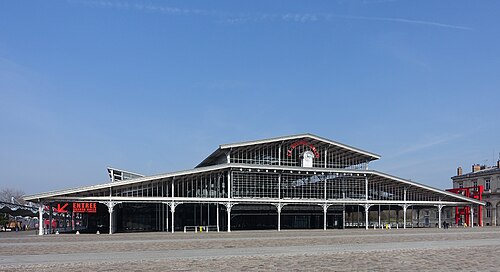
There is a delightful irony in watching a hundred delicate contemporary dancers leap across a floor that used to host thousands of French cattle. Welcome to the Grande halle de la Villette in the nineteenth arrondissement. Designed by architect Jules de Mérindol and completed in 1867, this colossal twenty-thousand square meter pavilion of cast iron, glass, and zinc was built as the central slaughterhouse market for Paris. For over a century, cattle trade echoed beneath these soaring industrial trusses. When the abattoirs closed in the nineteen-seventies, rather than tearing down this metallic giant, Paris transformed it in 1985 into one of Europe's premier venues for contemporary performing arts. Standing under this cathedral of glass and metal, you feel tiny, but in the best possible way. The sheer expanse forces a dancer to abandon small, hesitant steps and expand their movements to reach the farthest rafters. When I first watched contemporary dance rehearsals beneath these steel beams, I realized that true elegance doesn't require gilded chandeliers or velvet curtains. It requires space, light, and the courage to fill the void with every fiber of your being.