Contents
History & cultureBY TELLBY7 sections · numbered as on the map01 Orientation
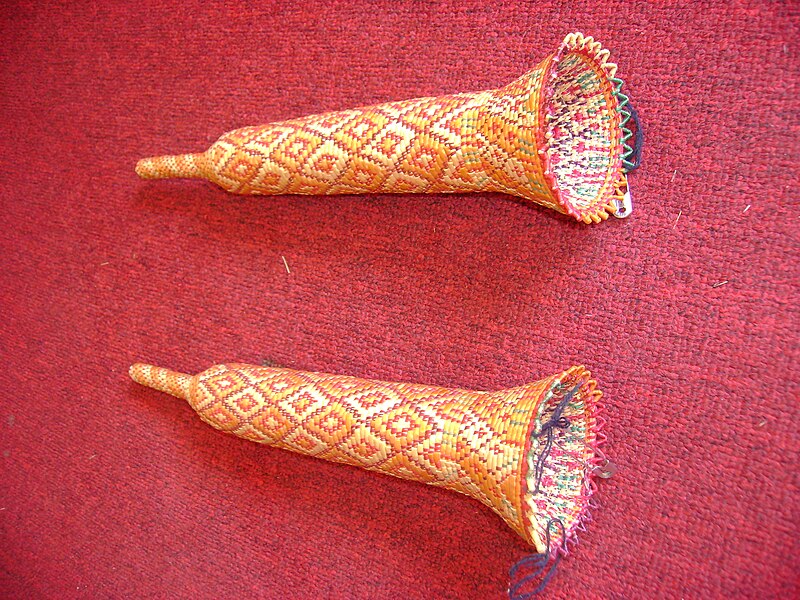
Welcome to the ancient and enchanting fortified town of Harar Jugol located on a high plateau surrounded by savannahs and deep gorges in eastern Ethiopia. You are currently standing near the central Feres Magala Square inside the historic city walls. This UNESCO World Heritage site represents a remarkable fusion of African traditions and Islamic cultural heritage that has thrived over many centuries. The outstanding universal value of Harar Jugol lies in its exceptionally well preserved urban fabric where these distinct cultural influences interacted and created a unique architectural and social identity. Enclosed within a compact area of just forty eight hectares, the town contains a dense and intricate maze of three hundred and sixty eight narrow winding alleys. The main east west axis historically served as a vital spine linking the sacred internal sanctuary of the city to external trade routes leading toward coastal ports and the Ethiopian interior. As urban expansion created New Harar outside the western walls in recent times, the contrast between the preserved historic core and modern developments highlights the enduring layout of the old city. As you stroll through these vibrant corridors, you will encounter dozens of historic mosques, sacred shrines, and traditional townhouses tightly integrated into a unified community space. Historically, Harar served as a major commercial hub where merchant caravans gathered to exchange regional goods, textiles, and coffee, making the town a thriving center of commerce, poetry, and Islamic scholarship. The compact layout of narrow alleys provided natural protection against external threats while offering cool shade from the harsh heat for its residents. Today, Harar Jugol is not merely an open air museum of the past, but a living historical city where local communities maintain their ancestral customs, traditional handicrafts, and unique linguistic heritage. The local residents have preserved skilled craft traditions including weaving, basketry, silversmithing, and bookbinding that reflect their long standing artistic culture. In the morning hours, the air is filled with rich aromas of market goods, while the soothing call to prayer echoes softly across earthen rooftops in the evening. As we begin our walking tour through this historic fortress, we will explore the remarkable stories carved into its mud stone walls, distinct residential architecture, and enduring traditions of human harmony. Please follow me now as we take our first steps toward the historic gates that have guarded this legendary city for generations.
02 Bab as-Salam: The Historic Gate of Peace
Welcome to Bab as-Salam, known as the Gate of Peace, which stands as the most prominent entry point among the historic outer gates of Harar Jugol. Remarkably, the five historic gates built into these formidable stone walls symbolize the five fundamental pillars of Islam, and for centuries they were routinely locked at dusk and opened at sunrise to ensure the total security and sacred peace of the city. Look up now at the rough mud and stone wall of the gate towering above you. …
03 Gey Gar: Traditional Harari House Architecture
Welcome to the welcoming interior of the Gey Gar, the unique traditional Harari townhouse that embodies the domestic architectural genius of this historic city. Remarkably, while the exterior of the house appears modest and simple with plain mud and stone walls, stepping inside reveals a breathtaking multi-level living hall adorned with colorful handcrafted basketry and intricate decorative arrangements. …
04 Jamia Mosque: The Spiritual Heart of Jugol
Welcome to the Jamia Mosque, the sacred spiritual heart of Harar Jugol and the focal point of its religious heritage. Remarkably, within this compact historic city, there are eighty two mosques and dozens of sacred shrines, explaining why Harar is widely celebrated as a holy sanctuary of Islam. Look up at the tip of the white minaret reaching toward the sky above the central courtyard. …
05 Arthur Rimbaud House: Traces of the French Poet
Welcome to the Arthur Rimbaud House, an exquisite wooden architectural gem dedicated to the memory of the celebrated French poet who made Harar his home. Remarkably, after revolutionizing European literature during his teenage years, the genius French poet completely abandoned poetry and chose to spend his youth living as a merchant in this remote Ethiopian fortress town. Look down at the rooftops of Jugol spreading out beyond the beautiful wooden windows on the second floor of the building. …
06 The City Walls: Coexistence with Wild Hyenas
Welcome to the feeding spot just outside the outer city walls of Harar Jugol, home to one of the most remarkable traditions of human animal interaction in the world. Remarkably, for centuries the people of Harar have maintained a tradition of peaceful coexistence with spotted hyenas, one of the most formidable wild predators, directly feeding them meat by hand and mouth under the evening sky. Look at the low earthen mound outside the city walls as darkness falls around us. …
07 Closing
Our journey through the historic fortified town of Harar Jugol has now come to a meaningful conclusion. Today, as we walked through the ancient Gate of Peace, navigated the vibrant maze of narrow alleys, and marveled at the multi-level living halls of traditional townhouses, we experienced a culture where history is continuously lived and celebrated by its people. …