 Photo Wikimedia Commons
Contents
History & cultureBY TELLBY8 sections · numbered as on the map01 Orientation
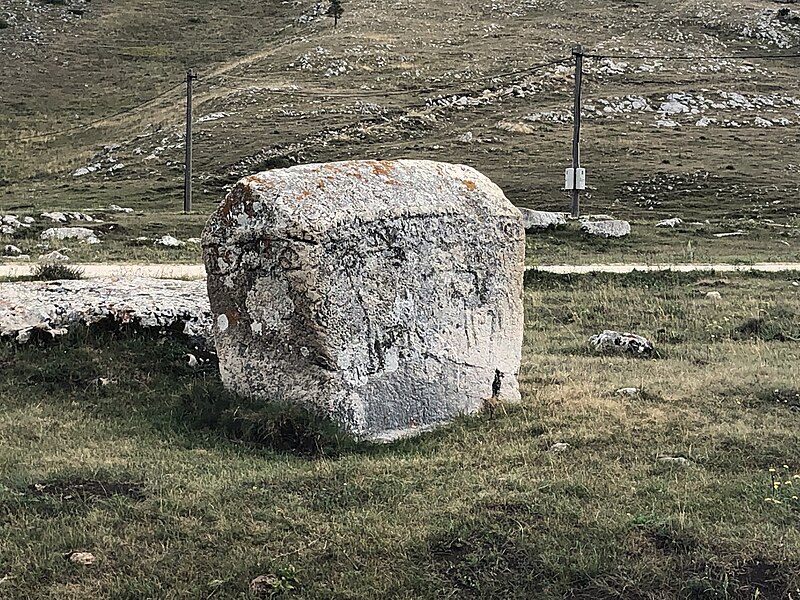
Welcome to the high karst plateau of Kupres in western Bosnia and Herzegovina. You are currently standing at the entrance to Ravanjska Vrata, a dramatic mountain pass that serves as a vital natural gateway connecting two expansive highland plains, Vukovsko polje and Ravanjsko polje. Spanning a narrow width of barely one hundred meters between the rocky ridge of Gradac and the elevation of Gradina, this rugged pass has served as a crucial lifeline and strategic crossroads for travelers, pastoralists, and soldiers since prehistoric antiquity. The region of Kupres encompasses four vast high-altitude karst fields, including Kupres, Rilic, Ravanjsko, and Vukovsko polje, surrounded by the majestic mountain ranges of Mount Vitorog and Mount Raduša. Characterized by howling winds, heavy winter snowfall, and razor-sharp limestone terrain, this landscape presented formidable environmental challenges to human survival. Yet despite these harsh climate conditions, human communities continuously inhabited this highland territory across millennia. Across the broader Kupres plateau, archaeologists have identified more than forty necropolises containing over one thousand individual stećci tombstones, establishing this region as one of the most thoroughly researched and culturally dense medieval landscapes in western Bosnia. The site before you, comprising an ancient defensive fort and medieval stone tombstones, was officially inscribed on the UNESCO World Heritage list in twenty sixteen. To express its outstanding universal value simply without complicated academic terms, this landscape was honored because it represents an exceptional medieval tombstone tradition and thousands of years of continuous human life seamlessly integrated into a wild mountain environment. Looking around this wind-swept gorge, you can see these massive limestone monoliths resting silently against the backdrop of alpine pastures. Having endured centuries of biting mountain frost and rain, these stećci are far more than mere markers for the dead; they are tangible records capturing the faith, daily struggles, festive memories, and resilience of highland communities who braved the elements. Together, we will now journey through this historic passage, listening to the mountain breezes and exploring everything from a Bronze Age hill fort to masterfully sculpted medieval monuments.
02 Prehistoric Hill Fort Crljenac
Just above this quiet mountain pass where medieval tombstones stand, a prehistoric hill fort constructed during the Bronze Age lies hidden upon the summit of Crljenac hill. It is truly astonishing to discover that medieval tombstones from several centuries ago and defensive fortifications dating back thousands of years exist together in a single location. …
03 Roman and Medieval Solar Road
The dirt path and rocky ground beneath your feet were once part of a major Roman arterial road and a bustling medieval trade route used to transport salt and essential merchant goods. It is fascinating to realize that this peaceful mountain trail, where today only the wind rustles through the pasture grass, was once a crucial node in the vast transportation network connecting the Adriatic coast with the Balkan interior. …
04 Lower Necropolis: Structure and Alignment
Upon stepping into the Lower Necropolis, the most striking detail you will notice is that all forty-three stone tombstones are precisely aligned in a uniform direction from northwest to southeast. This remarkably consistent orientation demonstrates the strict cultural rules, spatial order, and spiritual beliefs that guided medieval communities when laying their dead to rest. Direct your attention to the orderly arrangement of stone monuments resting right in front of you. …
05 Lower Necropolis: Motifs and Sarajevo Replica
One of the carved tombstones from this exact necropolis was deemed so artistically exceptional and historically significant that a precise replica was crafted and placed on display in the front garden of the National Museum of Bosnia and Herzegovina in Sarajevo. It is a remarkable fact that a monument standing in this remote mountain pass came to represent the nation's premier medieval stone heritage. …
06 Upper Necropolis on Crljenica: Tournament Scenes
Located a short distance to the west on the gentle slope of Crljenica hill, the Upper Necropolis presents a distinctly different atmosphere from the lower site. The most remarkable feature of the Upper Necropolis is the presence of dynamic knightly jousting tournament scenes carved beneath elegant stone arcades. This extraordinary detail reveals that Western European medieval chivalric traditions were actively celebrated and carved into stone right here in this remote mountain highland. …
07 The Unnamed Dead and Weathered Stones
Across both the Upper and Lower Necropolises, a grand total of sixty-eight stećci tombstones stand across Ravanjska Vrata, yet the most astonishing fact about this entire site is that not a single letter, name, or epitaph is inscribed on any of the stones. This total absence of written words leaves the identity of the buried dead shrouded in profound silence and enduring mystery. …
08 Closing
It is time to say goodbye to the ancient stećci of Ravanjska Vrata, which have stood in quiet contemplation against the harsh mountain winds of the Kupres plateau for centuries. The sixty-eight tombstones and prehistoric hill fort traces we visited today are true petrified witnesses of time, preserving the resilient spirit and unwritten memory of pastoral communities who built their lives across this challenging karst landscape. …