Contents
History & cultureBY TELLBY7 sections · numbered as on the map01 Orientation
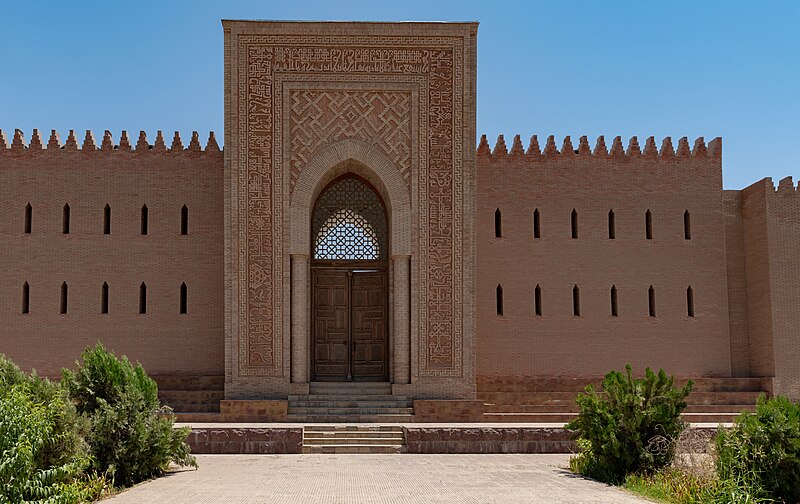
Welcome to the historic Kalai Hulbuk Fortress and Palace Complex, the brilliant ancient capital of Khuttal and a vital hub along the Great Silk Road. Located in the village of Mehrobod within the Vose district of the Khatlon region in Tajikistan, this site stands as a remarkable monument to medieval urban civilization. In July 2025 at the 47th session of the UNESCO World Heritage Committee held in Paris, this extraordinary complex was officially inscribed on the UNESCO World Heritage List under the collective title Cultural Heritage Sites of Ancient Khuttal. This prestigious international recognition honors the outstanding universal value of the region, showcasing a unique synthesis of eastern and western cultural traditions that flourished in southern Tajikistan between the 7th and 16th centuries. During its golden age Khuttal played a central role in cross border trade along the Silk Road, encompassing up to 12 vibrant cities across its domain. As the heart of this thriving state, Hulbuk served as a sophisticated political, administrative, and cultural center equipped with a grand royal palace, formidable citadel fortifications, and advanced municipal infrastructure that was centuries ahead of its time. Today we invite you to step back in time and explore the preserved remains of this ancient metropolis, where the desert winds carry whispers of medieval merchants and royal court life. Our guided audio journey is carefully organized to lead you through the key highlights of the complex in a seamless sequence. We will begin our tour at the imposing citadel fortifications, where massive baked brick walls once protected the rulers and wealthy trading caravans. Next we will step into the royal palace courtyard to admire the intricate geometric patterns of the preserved terracotta tile flooring. From there we will examine the revolutionary artwork within the palace corridors, including delicately carved gancha plaster decorations and colorful frescoes that transformed modern understanding of medieval Central Asian art. We will then discover the surprisingly advanced urban infrastructure, featuring a centralized hot water heating network and clay pipe water distribution systems that amazed modern archaeologists. Finally our tour will lead you to the Hulbuk Museum, where over 5000 excavated artifacts including paper thin glassware, silver coins, and golden jewelry offer a vivid window into daily life during the Samanid and Ghaznavid eras. We hope you enjoy this unforgettable journey through one of Central Asia's most magnificent historic treasures.
02 The Imposing Citadel: Guardian of the Silk Road
Standing before you is a towering brick fortification reaching fifteen meters in height, an impregnable citadel that guarded the lives and immense treasures of Silk Road merchants a thousand years ago. This monumental defense complex was the primary military shield of Hulbuk, the ancient capital of the Khuttal region, protecting the royal rulers and the urban populace from foreign invasions and regional conflicts. …
03 The Royal Courtyard and Terracotta Craftsmanship
At a time when much of Europe was enveloped in the darkness of the Middle Ages, this royal palace courtyard in Hulbuk was paved with exquisite terracotta tiles bearing complex geometric patterns baked in high temperature kilns. Representing the absolute pinnacle of medieval architectural engineering and artistic expression, this central courtyard symbolized the supreme authority and extraordinary cultural sophistication of the rulers of Khuttal. …
04 Revolutionary Art: Carved Gancha Plaster and Frescoes
The discovery of colorful fresco fragments along these palace walls completely overturned the long held academic theory that the tradition of figurative wall painting in Central Asia vanished after the spread of Islam. For generations art historians believed that pictorial murals ceased to exist in the region during the medieval period, but the groundbreaking excavations at Hulbuk Palace proved that vibrant frescoes and sophisticated decorative arts continued to flourish at the highest level of…
05 Ahead of Its Time: Ancient Plumbing and Heating Systems
A thousand years ago, the residents of Hulbuk enjoyed an amazingly advanced urban lifestyle powered by a centralized hot water heating system and a sophisticated network of terracotta drainage pipes. While many European cities during the same era struggled with basic sanitation and water scarcity, Hulbuk possessed municipal infrastructure that was centuries ahead of its time, providing clean water and comfortable living conditions to its citizens. …
06 Treasures of Khuttal: Glassware, Jewelry, and Coins
Among the more than five thousand excavated artifacts displayed in the Hulbuk Museum are pieces of medieval glassware so extraordinarily thin and transparent that they resemble fine paper. Crafted with unbelievable artistic skill over a millennium ago, these smooth glass vessels, delicate perfume bottles, and translucent bowls stand as clear historical evidence of the advanced glassmaking techniques and commercial wealth that flourished in ancient Khuttal. …
07 Closing
We have completed our walking audio tour of the historic Hulbuk Fortress and Palace Complex, the heart of ancient Khuttal and a vital crossroads along the Great Silk Road. From the towering brick fortifications that protected merchants to the geometric terracotta tiles, revolutionary frescoes, advanced heating channels, and thousands of museum artifacts, Hulbuk stands as a magnificent testament to medieval human achievement. …