Contents
History & cultureBY TELLBY7 sections · numbered as on the map01 Orientation
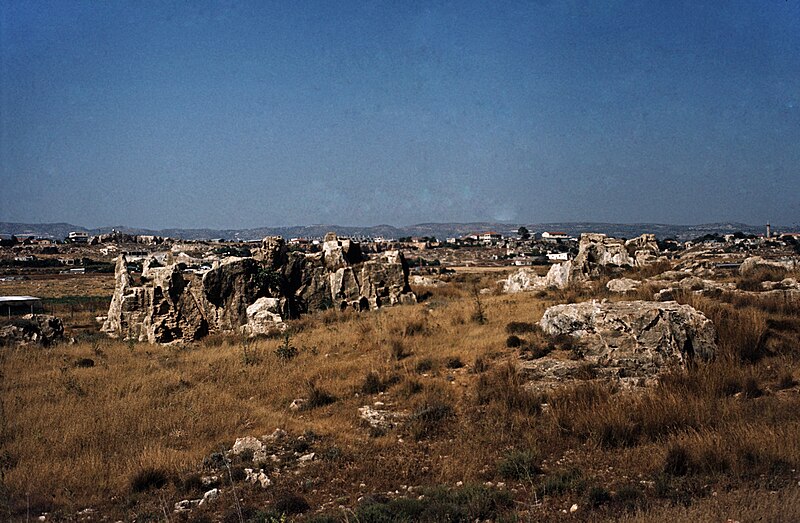
Welcome to the Tombs of the Kings, one of the most awe-inspiring ancient heritage sites in Paphos, Cyprus. Standing here at the edge of the sparkling Mediterranean Sea, you are gazing upon a vast subterranean necropolis carved directly into the native limestone bedrock. Spanning approximately thirty-two hectares along the coastline, this monumental complex preserves the profound atmospheric depth of Hellenistic and Roman antiquity. Rather than an elevated monument constructed above ground with imported stone blocks, this sanctuary was created by excavating deep into the earth, transforming solid rock into majestic underground palaces featuring open-air peristyle courtyards and grand Doric colonnades that reflect the architectural mastery and spiritual beliefs of the ancient Mediterranean world.
Despite its majestic title, historical research reveals a fascinating truth: no actual kings were ever buried within these stone chambers. By the time construction of this necropolis began in the fourth century BC, the monarchy in Paphos had already been abolished. Why then has this site been designated as the Tombs of the Kings for centuries? The answer lies in its overwhelming architectural scale, magnificent Doric colonnades, and elegant peristyle courtyards that directly mimicked the grand private residences of the living. Early modern visitors and explorers who encountered these rock-cut structures were so completely astounded by their sheer splendor that they mistakenly assumed only royalty could warrant such magnificent eternal resting places. In reality, this necropolis served as the final resting ground for Paphian aristocrats, high-ranking government officials, wealthy merchants, and prominent administrative elites closely connected to the ruling Ptolemaic dynasty of Egypt.
Our guided tour will lead you through a carefully planned route visiting the most remarkable of the eight primary tomb complexes carved into the living rock. As you descend ancient stone staircases and walk through subterranean courtyards, you will encounter intimate spaces where people laid their deceased loved ones to rest over two thousand four hundred years ago. Because the site consists of exposed, natural limestone terrain with uneven surfaces and steep rock-cut steps, please take your time and watch your step carefully. The coastal Mediterranean sun can be exceptionally intense and natural shade between the tombs is limited, so please ensure you carry sufficient drinking water and wear sun protection. Keep an eye out for the harmless local Cyprus wall lizards basking peacefully on the warm rocks. Now, let us step quietly into the majestic silence and solemn splendor of these ancient subterranean palaces.
02 Section 1
These extraordinary subterranean structures were not constructed by assembling stone blocks from the outside, but were sculptured directly from top to bottom out of a single continuous mass of solid limestone bedrock. Look down slowly at the solid limestone steps cut directly into the rock beneath your feet. This straight, descending staircase slicing through horizontal layers of natural stone acts as a corridor through time, leading straight into the cool depths of the earth. …
03 Section 2
Though carved deep beneath the earth, this extraordinary structure opens up to a sky-lit square peristyle courtyard completely encircled by standing rock-cut Doric columns, creating the unmistakable impression of a subterranean mansion. Raise your eyes and look closely at the grand Doric columns encircling the central open courtyard and the stone architraves resting upon them. …
04 Section 3
Two thousand years ago, ancient artisans transformed dark, rough subterranean rock into vibrant chambers by coating the stone walls with smooth plaster and covering them with colorful frescoes that mimicked luxurious above-ground palaces. Look closely at the corner of the interior tomb wall, where faint traces of red and yellow painted plaster still cling to the stone. …
05 Section 4
A single stamped handle from a wine vessel recovered inside this subterranean tomb complex provided the key that transformed the chronological framework of ancient Eastern Mediterranean archaeology. Look down at the wide floor of the primary burial chamber carved into the rock on your right. The deep rectangular burial troughs cut horizontally into the limestone floor, surrounded by rock walls, demonstrate the evolution of burial customs during the transition from the late Hellenistic to the…
06 Section 5
Across this entire vast necropolis known for centuries as the Tombs of the Kings, Tomb 8 is the single burial complex directly connected by archaeological research to an actual king's tragic suicide and royal funeral. Gaze into the central space of Tomb 8, which is excavated deeper and more dramatically into the solid bedrock than any other structure on the site. …
07 Closing
Stepping out from the cool subterranean quiet onto this elevated coastal hill, we bring our exploration of the Tombs of the Kings to a close before the dazzling blue expanse of the Mediterranean Sea. Looking down at the rock-cut tombs set against the endless waves, this viewpoint offers a serene location to reflect upon the artistic devotion, technical mastery, and spiritual ambition of the ancient Paphians who carved their vision of life and death into solid stone over two thousand four…