Contents
History & cultureBY TELLBY1 sections · numbered as on the map01 Mount Kumotori: Where the Tragedy Began
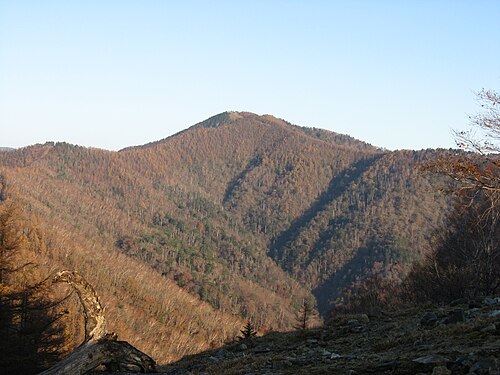
If you came up here looking for a pleasant hike, you picked the wrong peak. Standing at 2,017 meters above sea level, Mount Kumotori is the highest mountain in Tokyo Metropolis, straddling Tokyo, Saitama, and Yamanashi prefectures. Tourists call it scenic. All I remember is the freezing wind biting through my mismatched haori and the suffocating smell of fresh blood in the snow. This bitter cold peak is where the Kamado family lived peacefully, burning charcoal to survive, completely unaware that monsters walked the night. I was sent here on a hunt, expecting just another demon to execute. Instead, I found a desperate boy standing in front of his turned sister, begging me to spare her life with zero combat skills and no weapon but sheer devotion. I yelled at him. I told him the weak have no rights or choices. I was being cynical, hardened by years of watching everyone I cared about die while I survived. But that boy proved me wrong right here in the freezing slush. Looking at these quiet snow-covered cedars now, the air feels heavy. Do not mistake this mountain for a tourist spot. It is the mass grave where a boy lost everything in one morning, and a sister became a demon.