Contents
History & cultureBY TELLBY7 sections · numbered as on the map01 Orientation
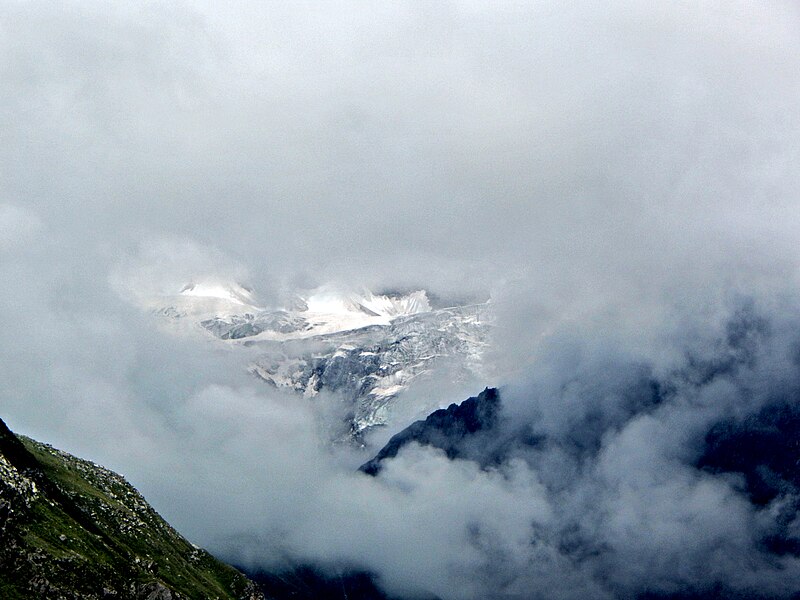
Welcome to Nanda Devi and Valley of Flowers National Parks, a magnificent World Heritage sanctuary nestled high within the Western Himalayas. The extraordinary landscape you are about to explore represents one of the most remarkable and unspoiled wilderness areas on Earth, where human presence has been strictly restricted for decades to preserve the pristine forces of nature. Here, the sheer mountain cliffs, towering peaks, and icy glaciers of Nanda Devi create a dramatic visual contrast with the gentle slopes and vibrant alpine flower meadows of the adjacent valley. Located within a unique ecological transition zone between the Zanskar and Great Himalaya ranges, this sanctuary features a striking landscape structure where seventy three percent of the core area is covered by permanent snow and glaciers, twenty one percent by wide alpine meadows, and only six percent by dense forest.
During the twentieth century, excessive human activities, including heavy mountaineering expeditions and unmonitored trekking, caused severe environmental degradation, soil trampling, and massive garbage accumulation within this fragile mountain basin. To protect this irreplaceable ecosystem from further collapse, the authority implemented a total ban on all human entry and mountaineering in nineteen eighty two. Over the following decades, completely freed from human disturbance and domestic livestock grazing, the sanctuary underwent a breathtaking natural recovery. Today, this protected area serves as an essential global control site for long term ecological monitoring, clearly demonstrating the immense self healing resilience of natural processes when left entirely undisturbed.
Our audio guide will accompany you along a captivating ecological route through this mountain realm. We will start at the formidable gateway of the Rishi Ganga gorge, ascend through the species rich temperate forests of Lata Kharak, cross the high treeline outlook at Belta Kharak, and trek across the vast alpine meadows of Dibrugeta, ultimately arriving at the breathtaking outlook facing the sacred summit of Nanda Devi at Sarsonpatal. Throughout this journey, you will discover the hidden stories of rare mountain birds, agile blue sheep navigating sheer cliffs, and resilient alpine flora surviving against freezing mountain winds. Please step forward with quiet respect and allow the voices of this wild Himalayan sanctuary to unfold around you.
02 The Deep Gateway: Rishi Ganga Gorge
The Rishi Ganga gorge stretching dramatically before you is one of the deepest vertical river canyons in the entire world, functioning as an impenetrable natural fortress that has restricted human access to the inner Himalayan basin for thousands of years. Formed by millions of years of relentless river erosion cutting through the rising Himalayan rock strata, this formidable canyon is encircled by wall like mountain ridges that historically turned away all but the most daring explorers. …
03 Voices of the Forest: Lata Kharak
The temperate forest trail leading toward Lata Kharak represents the most species rich avian habitat in the entire national park, functioning as a vital cradle for West Himalayan birdlife. The cool, moist atmospheric conditions here foster dense, multi layered forest strata, creating ideal nesting microhabitats and abundant food resources for a surprisingly diverse array of migratory and resident bird species. …
04 The Border of Trees: Belta Kharak
At this treeline outlook of Belta Kharak, where high altitude and freezing winds prevent tall timber trees from growing, the population of the colorful Himalayan monal pheasant has boomed dramatically thanks to strict protection measures. This treeline represents a critical ecological transition boundary between dense temperate forests and open alpine grasslands, providing a unique sanctuary where specialized high altitude species thrive in remarkably high densities. …
05 High Alpine Haven: Dibrugeta
Dibrugeta alpine meadow, situated close to an altitude of four thousand meters, is a chilly highland haven where snow can fall even during the height of summer, serving as a surprising sanctuary for the rare chestnut crowned bush warbler. Despite the severe cold and thin air at this elevation, this expansive meadow hosts a remarkable diversity of high altitude species perfectly adapted to the extreme conditions of the high Himalaya. …
06 The Sacred Crest: Sarsonpatal and Nanda Devi Peak
Standing at the Sarsonpatal base camp outlook, you are face to face with Nanda Devi, India's second highest mountain at seven thousand eight hundred and seventeen meters, revered for centuries in Hindu mythology as the sacred abode of the goddess. This magnificent peak dominates the high Himalayan sanctuary, encircled by a ring of formidable ridges that have protected its inner basin from human intrusion throughout history. …
07 Closing
This concludes our audio guide tour of the Nanda Devi and Valley of Flowers National Parks. The decisive conservation policies that halted unmonitored human access in nineteen eighty two have magnificently demonstrated the profound resilience of natural ecosystems when left entirely undisturbed. From the sheer rock walls of the Rishi Ganga gorge and the species rich temperate forests of Lata Kharak to the sweeping treeline at Belta Kharak, the expansive alpine meadows of Dibrugeta, and the…