 Photo Wikimedia Commons
Contents
History & cultureBY TELLBY7 sections · numbered as on the map01 Orientation
Welcome to Trinidad and the Valley de los Ingenios. This remarkable World Heritage site represents a place where Spanish colonial architecture and culture from the eighteenth and nineteenth centuries have been perfectly preserved through the flourishing sugar industry. Spilling down the gentle slopes of the Candelaria hill toward the vast blue Caribbean Sea, the red roofs, rivers of cobbled stone, and glittering whitewashed walls combine to create a timeless atmosphere where nature, history, and human endeavor merge seamlessly.
The town was founded in fifteen fourteen by Diego Velazquez de Cuellar as the third settlement on the island of Cuba. Its earliest years were marked by severe hardship and depopulation after the initial search for non-existent gold in the nearby mountains ended in complete frustration. Leaving only a handful of families living alongside indigenous inhabitants and wild cattle, the town faced total disappearance. However, the determined residents fought to preserve their home against all odds. They turned to maritime trade and navigation improvements using the port of Guaurabo, transforming the settlement into a vital stopover for expeditions and Caribbean merchant vessels.
During the seventeenth and eighteenth centuries, Trinidad survived through smuggling and maritime trade, becoming a refuge for adventurers and a bustling center of commerce. The true golden age arrived with the rapid growth of the sugar industry in the surrounding Valley de los Ingenios. Thousands of enslaved Africans brought from the coasts of West Africa, including Yoruban sultans and Senegalese warriors, provided the labor that transformed the region into a global sugar emporium. Producing nearly one third of the entire Cuban sugar harvest, Trinidad became a key commercial center connected with major European and American trading ports such as Bremen, Philadelphia, and Southampton. Wealthy sugar barons constructed magnificent Neoclassical mansions adorned with Italian marble, delicate frescoes, and ornate woodwork.
Economic recession and technological changes in the late nineteenth century eventually led to a long period of isolation and slumber. Paradoxically, this era of solitude protected the urban fabric from modern overdevelopment. Beginning in nineteen sixty five following years of regional conflict, a dedicated restoration movement revitalized the city, renewing whitewashed walls, coffered ceilings of native cedar, and vibrant murals. Today, our audio tour takes you on a historical journey from the Plaza Mayor through the birth sites, convent towers, grand palaces, and scenic valley vistas, offering an authentic glimpse into a living museum that beats with the enduring Cuban spirit.
02 Plazuela del Jigüe: Where the City Was Born
Just before the city took on its definitive urban structure, the early Spanish conquistadors abandoned their disappointing initial settlement and gathered under the shade of this very tree to establish the enduring foundations of Trinidad. Look at the big Jigue tree and cobbled square floor in front of you. The uneven cobblestone paths radiating in every direction combine with the tropical sunlight filtering through the dense green leaves to create a quiet and deeply historic atmosphere. …
03 Convento de San Francisco: Tower of Vigilance
Facing complete economic collapse under rigid Spanish trade monopolies, Trinidad achieved extraordinary revival and wealth through a dangerous alliance with Caribbean pirates and illicit smuggling networks. Raise your eyes and look up at the tall yellow and white bell tower. Rising majestically against the clear Caribbean sky, this iconic multi tiered structure formed part of the Franciscan convent and served as the highest lookout post in the region, watching the coastline for approaching…
04 Palacio Cantero: Splendor of the Sugar Barons
During the sugar boom of the early nineteenth century, the wealthy plantation owners of Trinidad bypassed restrictive trade regulations to import European art and luxury on a grand scale, transforming this coastal town into the Florence of the Caribbean. Look at the elegant temple style fresco murals on the wall and the Italian marble decorations on the right. …
05 Casa Ortiz: Masterpieces of Wooden Craftsmanship
Behind the simple tile roofs and heavy wooden window grilles lies a fascinating structural secret, tracing the architectural evolution of domestic spaces from humble indigenous huts into grand masonry residences. Look at the beautifully carved wooden railings supporting the front balcony and under the eaves. …
06 Valley de los Ingenios: The Sugar Cane Frontier
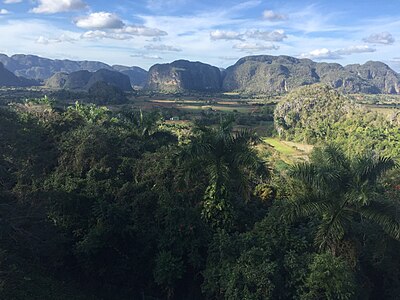
The serene and fertile landscape unfolding before your eyes was once the global heart of sugar production, generating staggering wealth during the early nineteenth century by supplying nearly one third of Cuba's total sugar harvest to international markets. Look at the green valley stretching beyond the red roofs and the outline of the bell tower far away. …
07 Closing
Our journey through time concludes here at Carrillo Square, the vibrant civic heart where historical legacy meets the daily rhythm of modern life. Following the collapse of the sugar boom in the late nineteenth century due to costly mechanization, regional wars, and shifting trade routes, Trinidad fell into a long half century of slumber and isolation. …