Contents
History & cultureBY TELLBY8 sections · numbered as on the map01 Orientation
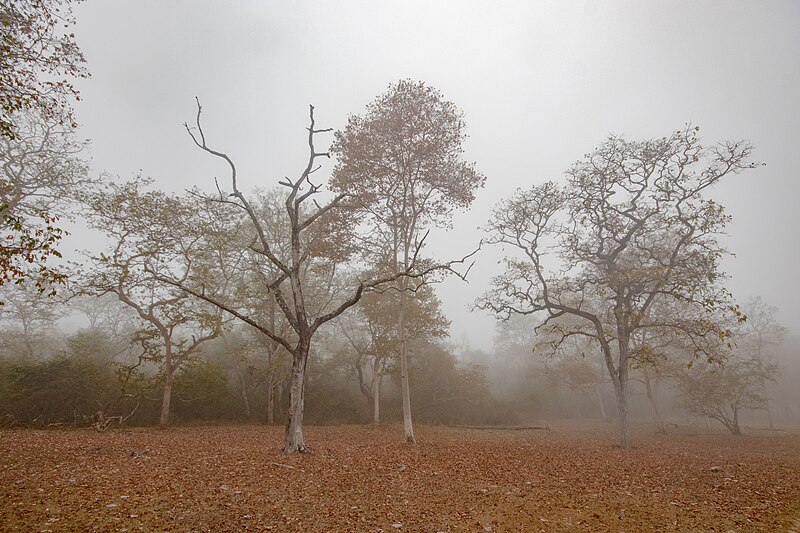
Welcome to Nagarhole National Park, an extraordinary wilderness sanctuary nestled in the southern state of Karnataka, India. Professionally known as Rajiv Gandhi National Park, this sprawling reserve stands as one of the most vital ecological havens in the entire Indian subcontinent. Geographically situated across the Kodagu and Mysore districts, the park lies between latitudes twelve degrees fifteen minutes north and longitudes seventy-six degrees seventeen minutes east. It extends across the undulating foothills of the Western Ghats, sweeping down from the picturesque Brahmagiri hills and sloping southward toward the state of Kerala. With elevations ranging between seven hundred and nine hundred and sixty meters above sea level, and receiving an abundant average annual rainfall of one thousand four hundred and forty millimeters, this landscape fosters an unbelievably rich tapestry of plant and animal life. Nagarhole serves as a critical core zone of the world-famous Nilgiri Biosphere Reserve. Together with neighboring sanctuaries, the broader Western Ghats Nilgiri Sub-Cluster encompasses over six thousand square kilometers of contiguous forest, which is actively under formal consideration by the UNESCO World Heritage Committee for designation as a World Heritage Site. Long before it gained international recognition for biodiversity conservation, these ancient forests served as exclusive hunting grounds for the royal rulers of the Wodeyar dynasty, who governed the historic Kingdom of Mysore. The transformation from a royal game reserve to a public wildlife haven began in 1955, when the area was officially established as a wildlife sanctuary. Over the following decades, its territorial boundaries expanded significantly. In 1974, the reserve forest blocks of Nalkeri, Hatgat, and Arkeri were incorporated into its territory, paving the way for its official elevation to a National Park in 1983. Recognized for its thriving population of big cats and remarkable predator-to-prey balance, Nagarhole was designated as the thirty-seventh Tiger Reserve of India in the years 1999 and 2003. What began as a modest two hundred and fifty-eight square kilometer sanctuary steadily grew to six hundred and forty-three point thirty-nine square kilometers, before reaching its present expanse of eight hundred and forty-seven point ninety-eight square kilometers following a final expansion in 2012. Positioned just to the northwest of Bandipur National Park, it is gracefully partitioned from its neighbor by the shimmering expanse of the Kabini reservoir. As you prepare to venture into this pristine haven, please note important sanctuary regulations. All main forest passage routes are strictly closed to vehicle traffic at six o'clock in the evening every day to safeguard nocturnal species and prevent wildlife collisions. Guests must ensure all travel is completed well before dusk. Step forward into this untamed sanctuary and immerse yourself in the timeless grandeur of Nagarhole.
02 Veeranahosalli Gate: Northern Entrance and Tribal Heritage
You are standing at the Veeranahosalli Gate, the prominent northeastern entrance corridor to Nagarhole National Park. As a primary portal into this dense ecosystem, Veeranahosalli Gate serves as the official departure base for both open jeep safaris and large bus safaris managed directly by the Karnataka Forest Department. Safaris are carefully timed during peak wildlife movement hours to optimize viewing while preserving animal welfare. …
03 Nanchhi Gate & Kutta: Southern Gateway and Forest Vegetation
Welcome to Nanchhi Gate and the surrounding outskirts of Kutta village, representing the strategic southern entry corridor to Nagarhole National Park from the direction of Kodagu, which is also widely known as Coorg. Geographically, Nanchhi Gate functions as a vital arterial link connecting the rolling green hills of Kodagu with the dense wildlife habitats of the national park. …
04 Kabini River & Reservoir: Aquatic Wildlife and Bird Sanctuary
Before you lies the grand expanse of the Kabini River and its vast reservoir, universally celebrated as the shimmering blue beating heart of Nagarhole National Park. The Kabini River acts as a crucial hydrological lifeline for the entire region while establishing a striking natural geographic boundary that separates Nagarhole National Park from Bandipur National Park to the southeast. …
05 Central Teak & Forest Trail: Apex Predators and Rich Biodiversity
We are currently traveling through the dense central teak forest and core predator trail of Nagarhole National Park. Characterized by towering teak trees and a dense upper canopy that shades the woodland floor, this central sector represents the true ecological heartland of the reserve. Nagarhole is internationally acclaimed for maintaining an exceptionally healthy predator-to-prey ratio, rendering it one of the premier sanctuaries in Asia for observing large carnivores in their natural domain. …
06 Lakshmana Tirtha River Stream: Serpentine Waterways and Endemic Avifauna
We are now standing alongside the Lakshmana Tirtha River stream, one of the primary hydrologic arteries winding through Nagarhole National Park. The name Nagarahole itself holds deep poetic meaning derived from two local Kannada words: Nagara, meaning snake, and Hole, referring to streams or rivers. Together, the name captures the visual imagery of serpentine streams slithering gracefully through the dense green canopy of these ancient woods. …
07 Ishwara Temple: Ancient Hoysala Architecture and Sacred Heritage
Welcome to the ancient and revered site of the Ishwara Temple, located in close proximity to Nagarhole National Park. Representing a serene intersection where human history, sacred architecture, and untamed natural wilderness meet, this revered pilgrimage site holds immense cultural and emotional importance for the region. The Ishwara Temple was constructed under the patronage of the Hoysala Kings, who ruled over extensive territories of southern India during the medieval era. …
08 Closing
This concludes our comprehensive audio guide journey through Nagarhole National Park. From the commanding presence of the Bengal tiger and gentle herds of Asian elephants to the tranquil waters of the Kabini River, we hope this experience has connected you deeply with the wildlife of Karnataka. However, the pristine beauty we admire today faces ongoing ecological threats that require constant vigilance and dedicated conservation efforts. …