Contents
History & cultureBY TELLBY1 sections · numbered as on the map01 Frogner: Elegance and Memory
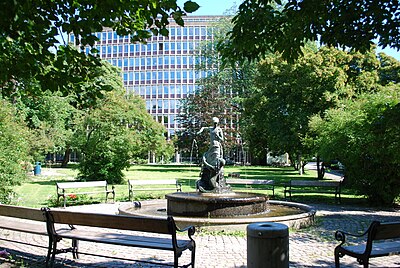
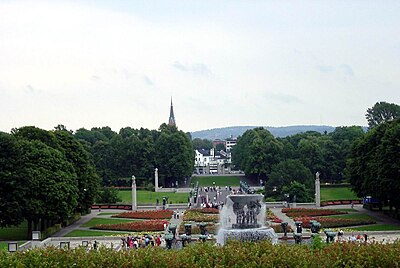
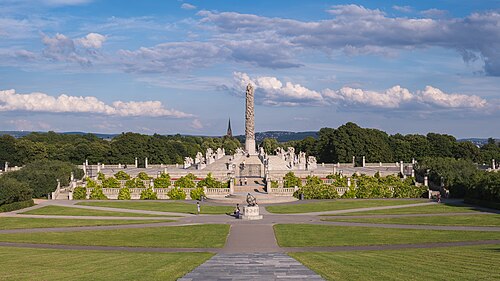
Welcome to Frogner, where even the cobblestones seem born with an inheritance and a discreet preference for expensive filter coffee. Look up at these grand nineteenth-century apartment buildings lining Bygdøy allé and Frognerveien. This West End neighborhood has always been the gilded heart of Oslo high society, filled with lofty ceilings, stucco moldings, and quiet family secrets. I spent countless hours walking these tree-lined streets, pretending I was immune to bourgeois pretension while quietly absorbing its elegant melancholy. Just a short stroll away lies Frogner Park, home to Gustav Vigeland's extraordinary sculpture installation. Over two hundred granite and bronze figures wrestling and tumbling towards the sky around the Monolith. As an artist, I respect Vigeland's obsessive ambition—he spent forty years carving human angst into stone right here. My family history is deeply rooted in these quiet avenues, where past generations argued about art and inheritance behind double oak doors. In Frogner, nostalgia is an architectural style. You walk past refined cafes and antique shops, watching elderly matriarchs walk their pristine dogs, and you realize that no matter how far you run across the world to make films, the ghosts of your upbringing are always waiting for you on Niels Juels gate.