Contents
History & cultureBY TELLBY7 sections · numbered as on the map01 Orientation
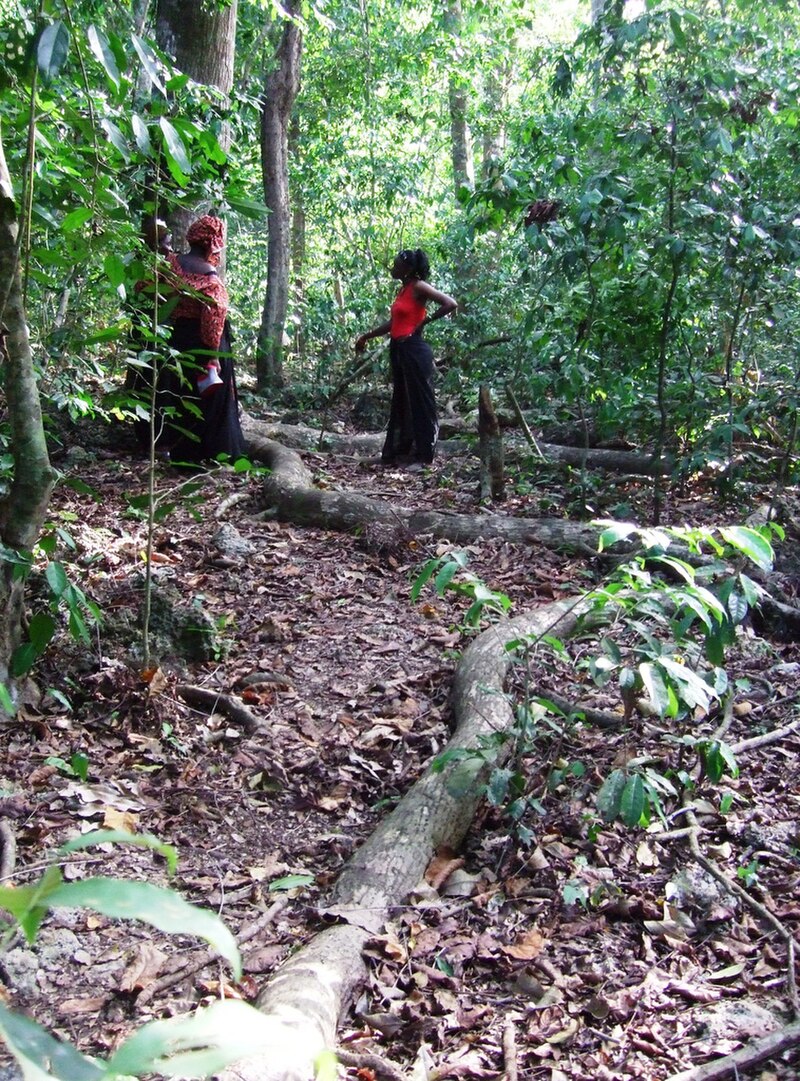
Welcome to the Sacred Mijikenda Kaya Forests, a deeply spiritual sanctuary nestled along the lush coastal plain of Kenya. I am honored to be your audio guide today, leading you through these ancient pathways where nature and spiritual traditions exist in profound harmony. In the local Mijikenda language, the word kaya refers to a fortified village, a sacred grove, and the ultimate foundation of cultural identity. This extraordinary world heritage landscape is shared by the nine sub groups that constitute the Mijikenda ethnic community, namely the Giriama, Kauma, Chonyi, Kambe, Ribe, Jibana, Rabai, Duruma, and Digo. According to rich oral traditions, during the sixteenth century, the antecedents of the Mijikenda migrated southward from their ancestral homeland of Singwaya to escape severe droughts, famine, and conflicts with neighboring pastoral groups. Seeking refuge, they established fortified settlements atop densely forested hills along the coastal hinterland. They protected their homes with impenetrable living vegetation walls, narrow concealed entry tracks, and powerful buried talismans. Scattered across the coastal region, ten core forest sites were inscribed as a UNESCO World Heritage Site in two thousand and eight, recognized for their outstanding universal cultural value and unique biological diversity. Today, our walking journey takes us through Kaya Kauma, one of the most remarkable and pristine sacred groves in Kilifi County. Our walking route begins at the southern boundary trail near the historic water pumping path, moves past the prophetic sanctuary of Kadzumba ka Mulungu, and reaches the sacred Bombax tree gate where tradition requires everyone to remove their shoes and headwear. From there, we will enter the central cultural village to see the domed Moroni meeting house where the supreme council of elders, known as the Ngambi, gathered to offer rain prayers and govern the community. Finally, we will explore the quiet northern thickets, home to wild vanilla orchids and rare coastal wildlife. For centuries, strict traditional taboos enforced by the elders prevented tree cutting, farming, and hunting within the kaya, allowing this precious remnant of the ancient coastal forest mosaic to survive intact. Even as modern urbanization and development pressures increase, local elders and community members continue to safeguard this sacred heritage. As you step forward, take a deep breath and listen closely to the whispering canopy above, as the quiet wisdom of the ancestors welcomes you into this living sanctuary.
02 The Southern Gate and Fortified Forest Trail
Deep within this dense forest lie powerful protective charms hidden secretively by young warriors centuries ago to ward off dangerous invaders. Direct your gaze to the left at the deep valley and rugged dirt trail winding through the thick undergrowth. This historic pathway once descended directly toward an old water pumping station that supplied fresh water to Kilifi town, marking the fortified southern perimeter and primary entrance of Kaya Kauma. …
03 Kadzumba ka Mulungu, The House of God
This small hut is a sacred sanctuary where women gathered to perform ritual dances and divine spiritual prophecies before severe drought or disease struck the community. Direct your gaze toward the modest hut constructed from woven branches and the traditional wooden mortar sitting solemnly beside it. This revered site is known in the local language as Kadzumba ka Mulungu, which translates directly to The House of God. …
04 The Sacred Bombax Gate and Fingo Protection
Before passing through this gate, every individual, whether a paramount chief or a visiting foreigner, must unconditionally remove their shoes and headwear, and wrap a traditional Leso cloth around their waist or shoulders. Look up at the massive trunk and spreading canopy of the giant Bombax tree towering directly above the pathway. …
05 The Central Cultural Village and Vigango Ancestral Shrine
Underneath this traditional domed roof hidden deep in the forest, secret high level councils have gathered for centuries to offer solemn prayers for rain, peace, and community protection. Observe the central dome shaped traditional house known as the Moroni, standing gracefully under the expansive shade of a sacred fig tree, known locally as Mugandi. …
06 Northern Thickets, Wild Vanilla Orchids, and Sacred Taboos
Local tradition holds a firm taboo that if anyone attempts to cut a green tree here with a machete, the blade will dangerously rebound and inflict a severe wound on the trespasser's leg. Look toward the dense foliage on your right to spot the wild vanilla orchid vines climbing gracefully up native tree trunks amid dense Cynometra thickets. This northern sector of Kaya Kauma is characterized by steep slopes, loose soil, and dry thickets that open up into lighter bushland toward the northeast. …
07 Closing
Today we have walked together through the Sacred Mijikenda Kaya Forests, a living sanctuary holding the very soul, history, and spiritual identity of the Mijikenda people. From the fortified southern entrance with its historic red iron ore pebbles to the prophetic sanctuary of Kadzumba ka Mulungu, and from the sacred Bombax tree gate where we shed our shoes to the domed Moroni meeting house at the cultural heart of the forest, every step along this trail reveals a profound story of biocultural…