Contents
History & cultureBY TELLBY7 sections · numbered as on the map01 Orientation
Welcome to the Diorom Boumak Shell Mound site, an extraordinary sanctuary steeped in the ancient rhythms and serene natural beauty of the Saloum Delta. Situated along the Atlantic coast of Senegal in West Africa, this site represents a majestic artificial island where the living traditions and ancestral burials of human history exist in profound, timeless harmony. The ground beneath your feet is not an ordinary island created by natural geological processes, but a magnificent living territory constructed over generations through the intimate relationship between human communities and the sea. As you stand at this historic threshold, prepare to immerse yourself in the lingering echoes of two millennia of human endurance and ecological balance.
The reason why the Diorom Boumak shell mound is recognized as a UNESCO World Heritage site is strikingly clear. It is because it stands as a massive shell island and precious living territory created together by humans and the ocean over thousands of years. Within this sweeping landscape, the site offers exceptional testimony to how human society adapted to its estuarine environment, establishing a sustainable lifestyle while preserving the delicate balance of the natural world without depleting its surroundings.
The Saloum Delta encompassing Diorom Boumak presents a breathtaking geographical landscape defined by remarkable biological diversity. This expansive region unites three distinct environmental realms into a single harmonious ecosystem, including the open marine environment of the Atlantic Ocean, dense mangrove swamps, and the dry forest ecosystem represented by the Fathala forest. Three primary river channels form the hydrographic network of the delta, including the Saloum River stretching one hundred ten kilometers in the north, the Diombos River extending thirty kilometers through the central region, and the Bandiala River flowing eighteen kilometers in the south. Intricate saltwater channels known locally as bolongs weave through the landscape like a vast labyrinth, carving the delta into more than two hundred distinct islands. Recognized as a UNESCO Biosphere Reserve since nineteen eighty-one, the broader delta spans over five hundred thousand hectares, with seventy-eight thousand eight hundred forty-two hectares specifically designated within the core heritage zone.
Operating within a Sudano-Sahelian climate featuring an average annual temperature of twenty-eight degrees Celsius and annual rainfall near eight hundred millimeters, the region thrives through the rhythmic movement of coastal tides. In a landscape where the terrain generally hovers near sea level, the artificial shell mounds reaching heights over ten meters create a dramatic visual contrast. As you listen to the rhythmic water and coastal breezes, let us begin our journey together to discover the captivating legacy woven into Diorom Boumak.
02 Diombos River Landing Point
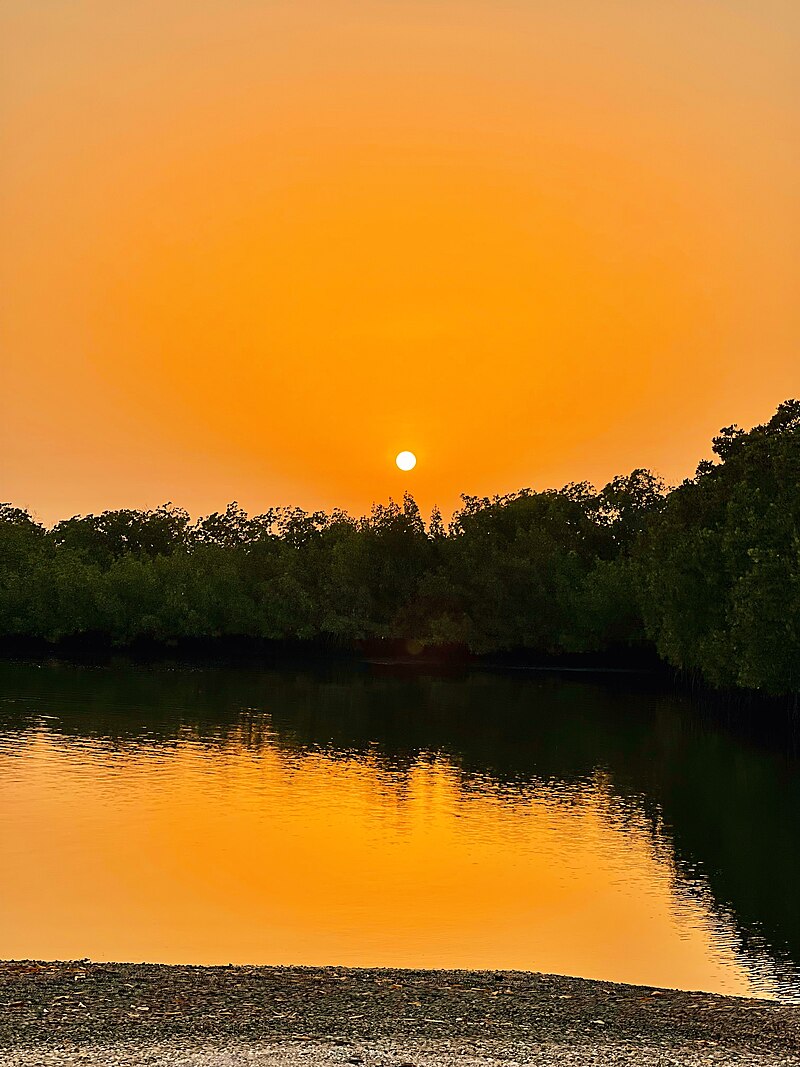
As we begin our first detailed exploration together, we find ourselves standing at the peaceful landing point along the banks of the Diombos River. The most surprising fact about the ground beneath our feet is that this entire island is not a naturally formed piece of land. The expansive island you see today is a completely man-made creation constructed over a long period of two thousand years by ancient communities who harvested marine shellfish and discarded the empty shells layer upon layer. …
03 Shell Mound Pathway
As we walk further up the narrow trail, we reach a unique viewing point that exposes the intricate interior structure of the shell mound. The most astonishing fact to appreciate here is that this massive shell hill, reaching heights over ten meters above sea level, originally began as an accumulated household waste dump built up over centuries. In ancient times, local inhabitants cooked harvested shellfish and discarded hundreds of millions of empty shells at designated dumping spots. …
04 Sacred Baobab Grave Tree
Reaching the central part of the mound, our attention is immediately captured by the towering presence of an ancient baobab tree. The most astonishing fact associated with this sacred tree is that, out of fear that burying bodies in the ground would make the soil sterile and bring disaster upon the community, the people placed the remains of their griots inside the hollow trunks of living baobab trees. …
05 Ancient Shell Tumuli
Continuing along the trail past the baobab tree, we reach a serene elevated zone where gentle, undulating ridges form an ancient burial ground. The most surprising fact to discover here is that this area was not merely a random disposal site for empty shells, but a deliberate, organized burial ground constructed by mixing soil and shells to inter loved ones. …
06 Shell Barrier Overlook
Reaching the coastal viewing point at the edge of the mound, an expansive water view and dense mangrove canopy open up before us. The most astonishing fact to realize here is that these ancient shell mounds, created thousands of years ago from discarded shells, serve today as a vital natural barrier protecting the island and mangrove ecosystem against sea level rise and coastal erosion. …
07 Closing
Our historical and ecological exploration of the Diorom Boumak Shell Mound site has now reached its peaceful conclusion. It has been a true privilege and honor to share this extraordinary journey with you atop this majestic artificial island created through the intimate relationship between humanity and the sea over thousands of years. Walking together across Diorom Boumak, what we witnessed was far more than an ancient collection of discarded shells or historic burial mounds. …