Contents
History & cultureBY TELLBY7 sections · numbered as on the map01 Orientation
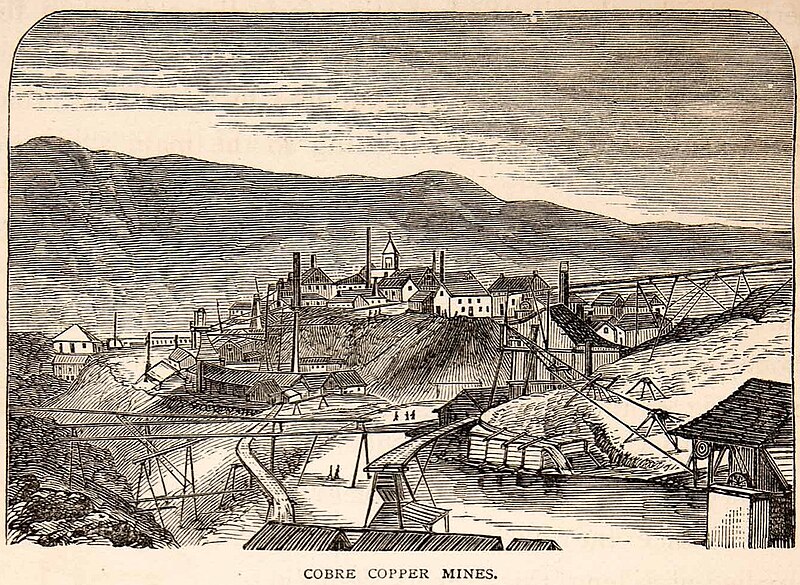
Welcome to El Cobre, a landmark community located in the historic eastern region of Cuba. This village represents a deeply significant cultural landscape recognized globally for its pivotal role in early New World copper extraction, unique royal slave governance, and profound spiritual syncretism. Nestled among the foothills of the Sierra Maestra mountain range, approximately twelve miles northwest of Santiago Bay, El Cobre stands as one of the oldest colonial settlements on the island of Cuba, with written records tracing its original Spanish foundation back to the early sixteenth century. The historical trajectory of this settlement changed dramatically in the year sixteen hundred and seventy, when the Spanish Crown took direct control of the local copper mines after private contractors failed to fulfill their contractual obligations and neglected the workings for many years. Upon confiscation, two hundred and seventy-one mostly Creole slaves were transformed into royal property, becoming known as slaves of the king. This administrative shift established El Cobre as a highly distinct pueblo composed primarily of royal slaves and free people of color. By seventeen hundred and thirty, El Cobre was one of only fourteen officially recognized settlements in all of Cuba, a remarkable status in the Spanish colonial system where at least two were Indian corporate pueblos. According to a detailed census taken in seventeen hundred and seventy-three, the town had grown to one thousand three hundred and twenty inhabitants. This population was made up of sixty-four percent royal slaves and thirty-four percent free colored people, who were mostly manumitted descendants or relatives of royal slaves, along with two percent who were private slaves owned by the free colored population itself. When colonial authorities attempted to return the population to private enslavement in seventeen hundred and eighty, the royal slaves initiated a remarkable legal battle that reached all the way to Madrid, culminating in a collective grant of official freedom in the year eighteen hundred. During this era, the men of the village primarily carried out subsistence agriculture to sustain their families, while the grueling work inside the copper mines was predominantly undertaken by enslaved women. For long periods of colonial history, the Cobre mine remained the sole operational copper source across the entire island, supplying vital metal not only to Cuba but also across the wider Caribbean region. The people of El Cobre built a strong local identity, forming their own local self-government known as a cabildo and maintaining their own militia companies with local officers. As you explore this historic site today, you will observe the rich physical and spiritual layers of a community shaped by mining, legal negotiation, and an unyielding quest for freedom across four hundred years.
02 The Great Open Copper Pit
Did you know that the massive excavation before you is home to the very first open pit copper mine ever established in the New World, with mining operations commencing all the way back in fifteen thirty-two? Look down into the vast, flooded crater stretching out below this viewing area. You can see mineral rich blue water filling the deep rocky basin, which was carved out over centuries of intense human labor. For many generations, local families worked these steep slopes. …
03 The Cornish Protestant Cemetery
It may surprise you to learn that despite their essential role in operating the region's most vital technology, the skilled British miners who came here from Cornwall were strictly forbidden from being buried in the town's local Catholic cemetery because the colonial church authorities viewed them as religious heretics. Look toward this quiet side plot of ground set apart from the main parish road. You can see a small group of historical graves lying tucked away in this secluded area. …
04 Monument to the Escaped Slave
Did you know that the exact placement of the imposing six meter bronze and iron sculpture rising above the village was chosen not by urban architects or government planners, but by a local babalao, a traditional Santería spirit guide? Raise your eyes to the high hilltop overlooking the open copper pit. You can see the massive six meter sculpture of the Monumento al Cimarrón piercing the skyline above the surrounding mountain landscape. …
05 The Sanctuary Stairs and Basilica Facade
You might be surprised to discover that the grand, towering basilica you see standing before you today is actually a twentieth century construction that was relocated from its original historical site, yet inside it enshrines a sacred effigy that has been continuously worshipped since the seventeenth century. …
06 The Chamber of Miracles
Did you know that side by side with traditional religious tokens, this sacred chamber houses actual military insignias and medals left behind by soldiers who fought in the Cuban Revolution and later in overseas military conflicts in Angola? Look at the glass display cases lining the interior walls of this quiet chapel space. You can see them filled to capacity with thousands of shiny metallic tokens, personal mementos, and sacred historic offerings. …
07 Closing
As our tour comes to an end, take a moment to stand here at this high overlook and look out across the extraordinary landscape of El Cobre. Below us lies a tranquil valley nestled in the Sierra Maestra mountains, where four centuries of complex human history have left their indelible marks upon the land. Here, the story of Cuba unfolded in ways found nowhere else on the island. We have explored the deep blue waters of the flooded copper pit, where New World mining began in fifteen thirty-two. …