Contents
History & cultureBY TELLBY7 sections · numbered as on the map01 Orientation
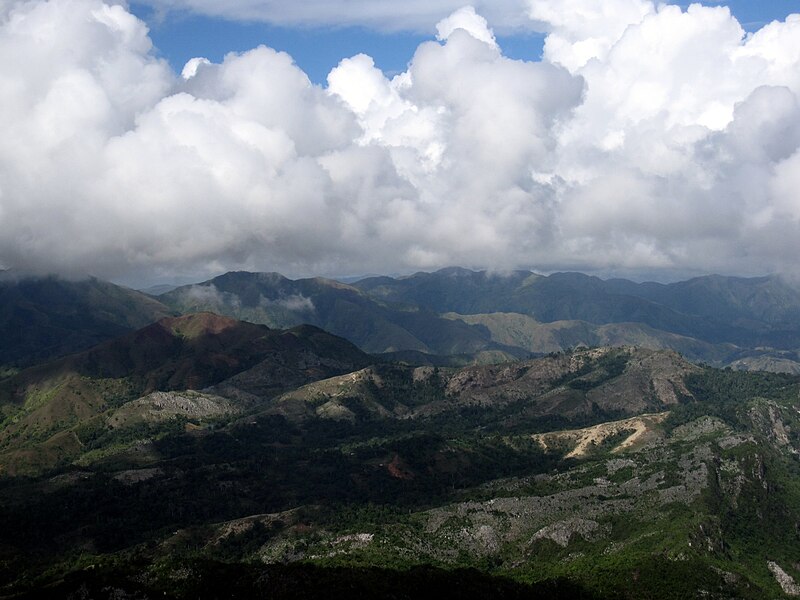
Welcome to the National History Park Citadel Sans Souci Ramiers, a sacred sanctuary of universal human emancipation located in the northern region of Haiti. Spanning over twenty-five square kilometers across the rugged Dondon Valley and the mountainous terrain of Milot, this UNESCO World Heritage Site preserves the extraordinary first monuments erected by formerly enslaved African people who shattered the chains of colonial bondage. The profound historical journey commemorated here emerged from the tumultuous slave revolts of the late eighteenth century, which culminated in the historic victory of the Haitian Revolution. On the first day of January in eighteen hundred and four, following fourteen years of heroic resistance against colonial forces, General Jean-Jacques Dessalines proclaimed the independence of Haiti, restoring the indigenous Taino name to this resilient land. To safeguard the nascent republic from potential foreign reinvasion, national leaders embarked on an ambitious architectural plan. Under the direction of General Henri Christophe, who later became King Henry the First, a colossal mountain citadel and an opulent royal palace complex were constructed upon these strategic heights. Recognized as a national park and inscribed as a World Heritage Site in nineteen eighty-two, this historic preserve illustrates both military architectural genius and the universal triumph of human dignity. Today, ongoing conservation partnerships involving national heritage institutions and international organizations ensure the preservation of these stone monuments. A temporary park management authority now oversees daily operations, supported by the newly established documentation center in Milot. As you begin your tour today, your path will follow a dramatic sequence through history. You will first explore the grand Baroque ruins of Sans-Souci Palace, where royal authority was proclaimed at the foot of the mountains. Next, you will visit the adjacent Royal Chapel of Milot, the spiritual and administrative heart of the northern kingdom. From there, you will ascend toward the towering peak of Pic Laferriere to stand within the central courtyard and formidable cannon batteries of Citadelle Henry. Continuing into the fortress, you will examine the sophisticated underground cisterns and defensive infrastructure that guaranteed survival during prolonged sieges. Finally, you will reach the serene high plateau of Ramiers to observe its strategic redoubts and gaze upon the majestic silhouette of the citadel. Please tread carefully along these ancient stone pathways as we begin our unforgettable journey through the ultimate monuments of human freedom.
02 Spot 1: The Splendor of Sans-Souci Palace
Standing before these expansive stone ruins, you are beholding an incredible architectural marvel designed to surpass the grandest royal residences of Europe, constructed entirely by formerly enslaved people who had won their freedom. Following the death of Emperor Dessalines, Haiti was divided into distinct realms, and in the northern region, General Henri Christophe proclaimed himself King Henry the First in eighteen eleven. …
03 Spot 2: The Royal Chapel of Milot
Standing here at the lower entrance of the royal complex, you are looking at the Royal Chapel of Milot, an extraordinary landmark that served not only as a sanctuary for royal worship but also as the sacred venue for high state ceremonies. Built simultaneously with the adjacent palace and inaugurated in eighteen thirteen, this remarkable chapel formed the spiritual anchor of King Henry's northern kingdom. …
04 Spot 3: The Impregnable Citadelle Henry and Its Batteries
You are now standing before the staggering precipice of Citadelle Henry, perched upon the summit of Pic Laferriere at an elevation exceeding nine hundred meters above sea level. This titanic fortress, constructed over a fourteen-year period following independence, required the unified dedication of thousands of newly liberated citizens. It stands today as the largest and most formidable military fortification in the entire Caribbean region. …
05 Spot 4: The Water Supply System and Barracks of the Citadel
As you step inside the interior quarters of Citadelle Henry, you are entering an engineering marvel specifically designed for long-term survival under extreme siege conditions. Hidden deep within these thick stone walls lies an elaborate rainwater collection and storage network capable of supplying a garrison of up to five thousand troops with fresh water for well over a year without any external supply. Look down at your feet and examine the inner wall surfaces lining these covered corridors. …
06 Spot 5: The Ramiers Redoubts and Panoramic View
You have now reached the serene high plateau of Ramiers, situated on the mountain ridge directly south of the main citadel complex. This elevated vantage point served as a vital outer defensive component protecting the vulnerable rear approaches of Citadelle Henry, while offering what is unquestionably the most breathtaking panoramic view in all of Haiti. Look out across the open northern horizon now. …
07 Closing
This concludes your audio guide journey through the National History Park Citadel Sans Souci Ramiers. As you prepare to descend from these sacred mountain summits, take a quiet moment to reflect upon the profound historical legacy and human triumph preserved within this unique UNESCO World Heritage Site. …