 Photo Wikimedia Commons
Contents
History & cultureBY TELLBY7 sections · numbered as on the map01 Orientation
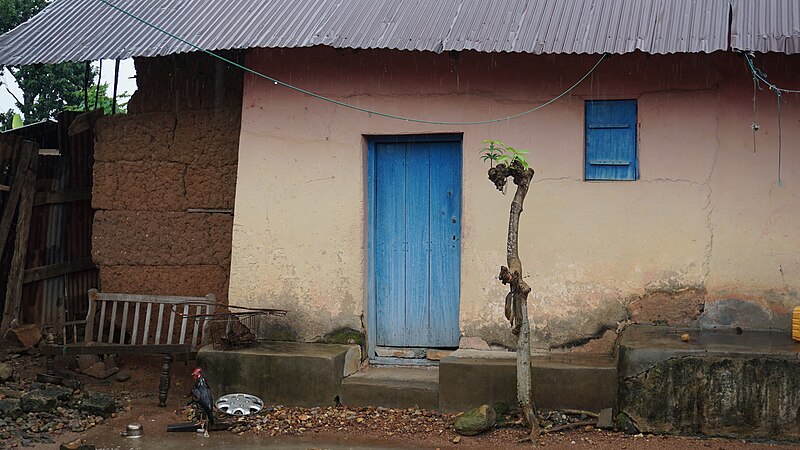
Welcome to the sacred orientation for the Asante Traditional Buildings, a remarkable ensemble of historic architecture located near Kumasi in Ghana. In nineteen eighty, these exceptional shrine complexes were designated as a UNESCO World Heritage Site in recognition of their profound cultural, spiritual, and historical significance. Historically described as the home of men and gods, these buildings represent the surviving architectural legacy of the Asante Kingdom, which was once among the most powerful states on the African continent. The ten remaining traditional buildings in this area served as sacred shrine complexes and fetish houses during the eighteenth and nineteenth centuries, an era that marked the glorious golden age of the Asante Empire. During this flourishing period, the Asante people created complex shrine structures centered around inner courtyards, utilizing local natural materials such as timber, bamboo, and mud plaster through a traditional construction method known as wattle and daub. Architecturally, these buildings showcase the masterly application of wattle and daub, where wooden and bamboo frameworks are meticulously woven together and filled with mud plaster mixed with straw to form durable walls. The outer surfaces are decorated with elaborate bas reliefs featuring geometric patterns, spiral and arabesque motifs, as well as stylized representations of animals, birds, and plants. These reliefs incorporate traditional Adinkra symbols, each carrying deep philosophical meanings passed down across generations. Today, these earthen structures remain vulnerable to natural weather conditions due to their mud and straw composition. The preservation of these sites is further challenged by disruptions in regular maintenance cycles and a decline in the number of traditional worshipers. Nevertheless, they remain active places of living spiritual practice where traditional religion continues to be observed, serving as a powerful link between the ancestral past and the present day. As you begin your tour, prepare to explore these holy courtyards and discover the profound wisdom woven into the very fabric of Asante heritage.
02 Central Courtyard and Raised Plinth
This extraordinary building is far more than a simple residential dwelling, representing a sacred cosmos composed of four distinct rooms arranged around a central courtyard that strictly delineates the boundaries between the world of humans and the realm of the divine. Please look up and take in the impressive sight of the raised earthen plinth that encircles the central open courtyard, supporting the elevated rooms resting upon its solid foundation. …
03 Bas-Reliefs on the Walls
In an era before written language was utilized in the region, the Asante people etched elaborate bas reliefs across the earthen walls of their buildings to record the foundational myths, moral code, and deep spiritual philosophy of their empire. Please raise your eyes and observe the pronounced spiral and arabesque shapes alongside the stylized representations of animals, birds, and plants sculpted into the upper sections of the walls. …
04 Restricted Shrine Room and History of Destruction
Among the four rooms that comprise this traditional shrine complex, this single room is the most holy sanctuary where the deity is believed to reside, and access to its interior has been strictly prohibited to the general public throughout history. Please gaze respectfully at the firmly closed threshold of this restricted shrine room and observe the steadfast symbolic pattern carved prominently above the doorway. …
05 Sankofa Symbol and Adinkra Meaning
The striking image of a bird turning its head backward to observe a precious egg resting upon its back represents the renowned Asante proverb teaching that it is never wrong to return and retrieve the forgotten wisdom of the past. Please raise your eyes toward the top of the structural column where the iconic Sankofa bird is elegantly carved into the earthen surface. …
06 Modern Conservation and Living Shrines
The true reason these fragile earthen structures have managed to withstand centuries of weathering and survive into the present day is because traditional religious ceremonies continue to be actively practiced within these shrines. Please direct your eyes toward the neatly arranged ritual space and altar situated quietly in a corner of the courtyard. …
07 Closing
The ten remaining traditional buildings quietly situated near Kumasi in Ghana stand as the very last treasures testifying to the glorious history, spiritual devotion, and profound artistic achievement of the historic Asante Empire. Today, we have journeyed together through the sacred central courtyards surrounded by four rooms, admired the intricate Adinkra bas reliefs etched upon the earthen walls, and reflected upon the painful history of destruction and resilience that shaped these holy…