 Photo Wikimedia Commons
Contents
History & cultureBY TELLBY7 sections · numbered as on the map01 Orientation
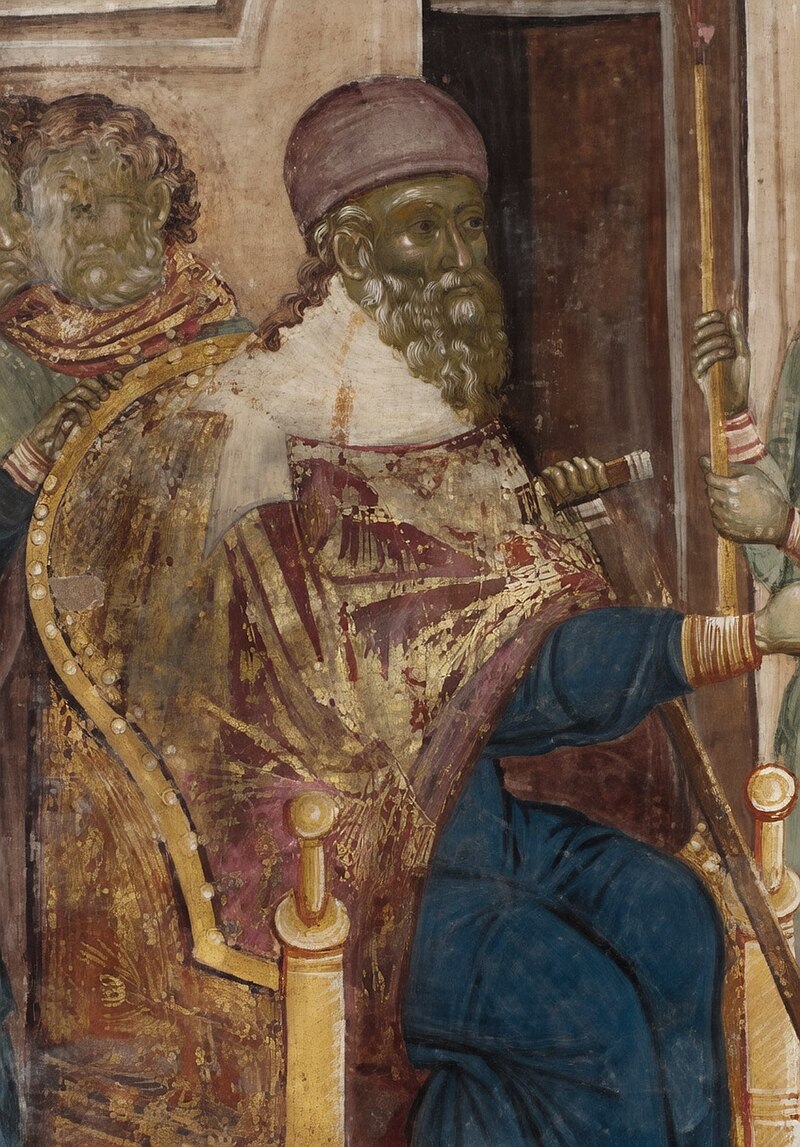
Welcome to Gracanica Monastery, a monumental masterpiece of medieval Byzantine architecture and sacred art. Founded in the early fourteenth century by King Stefan Milutin, this sacred complex stands as an extraordinary testimony to the cultural and spiritual heritage of Eastern Europe, earning its rightful place as a UNESCO World Heritage Site. Built upon the foundations of an ancient early Christian three aisled basilica and a later cathedral that served as the seat of the Lipljan Eparchy, the church reflects centuries of continuous devotion, resilience, and artistic brilliance. Despite enduring numerous foreign invasions, devastating fires, and political upheavals across the centuries, the main church of Gracanica has miraculously preserved its original early fourteenth century architectural form to this day. As you stand in the center of the serene monastery courtyard, take a moment to admire the striking structural harmony of the exterior building. Notice the exquisite pattern of red bricks framed by meticulously cut ashlar stones, a traditional Byzantine construction method known as the cloisonne technique. This masonry gives the facade a rich texture and vibrant dynamic quality that changes with the shifting daylight. The architecture demonstrates a brilliant synthesis of vertical elevation and equilibrium inherited from earlier regional traditions. Four smaller corner domes mounted on square bases surround the prominent central dome, creating a perfectly balanced stepped pyramidal silhouette that reaches gracefully toward the heavens. Beyond its structural marvels, Gracanica houses one of the most comprehensive and well preserved fresco ensembles of the late Byzantine period. As you venture inside, you will encounter the masterworks of Thessalonian painters who adorned every inch of the interior walls with sacred narrative cycles, including Gospel miracles, the Passion of Christ, the life of the Virgin Mary, and the monumental Nemanic dynastic tree painted for the very first time in history. Today, the monastery continues its noble spiritual mission as an active convent where dedicated nuns preserve the ancient traditions of daily prayer, icon painting, embroidery, and monastic agriculture. Prepare yourself for a profound journey through medieval art, royal devotion, and spiritual history. As you begin your walk toward the entrance of the church, allow the serene atmosphere, the gentle rustle of the surrounding courtyard, and the timeless beauty of this sacred monument to guide your steps as we explore each historical detail together.
02 The Resilient Exonarthex and Walled Arcades
Although devastating fires and violent invasions once reduced the monastery rich library and irreplaceable treasury to ashes, the courageous decision to wall up the open arcades saved its precious artistic treasures for future generations. Now, please direct your eyes to the walled up arched facade directly in front of you. …
03 The Royal Investiture and the Dynastic Tree
The divine investiture fresco before you marks a monumental political and artistic shift, applying a sacred crowning composition previously reserved exclusively for Byzantine emperors to a Serbian monarch for the very first time. As you stand in the inner narthex, please look upward at the arched ceiling directly above the passage leading into the central nave. …
04 The Dynamic Soar of the Five Domes
In stark contrast to the compact and balanced appearance of the exterior facade, stepping into the central nave reveals an astonishing, soar away interior verticality where the upper vaults and painted domes seem almost impossibly distant from the floor. Please lift your head high toward the ceiling and look at the four massive free standing piers that anchor the central space. …
05 Frescoes of St. Nicholas by the Master Painter
It is a remarkable fact that one of the most celebrated master painters from Thessaloniki, the second greatest city of the Byzantine Empire, traveled directly to this monastery to personally execute these legendary wall paintings. Please look closely at the walls, vaults, and arches of this northern chapel, or parecclesion, which is completely dedicated to the life and miracles of Saint Nicholas. …
06 The Mysterious Arcosolium and the Learned Bishop
Behind the immensely complex and sophisticated iconographic program painted throughout this church lay the hidden guidance of a highly learned bishop rather than the royal patron alone. As you explore the southern side chapel, please turn your eyes toward the deeply recessed arched niche in the south wall, known structurally as an arcosolium. …
07 Closing
Inscribed directly onto the southern wall of the church, the founding charter of 1321 speaks across seven centuries with profound emotional resonance. King Stefan Milutin inscribed these timeless words: I have seen the ruins and the decay of the Holy Virgin's temple of Gračanica, the bishopric of Lipljan, so I have built it from the ground and painted and decorated it both from inside and outside. …