 Photo Wikimedia Commons
Contents
History & cultureBY TELLBY8 sections · numbered as on the map01 Orientation
Welcome to the sacred Grishneshwar Temple, one of the most revered Hindu pilgrimage sites in India. Situated in the peaceful village of Verul in the Aurangabad district, also known as Chhatrapati Sambhajinagar, Maharashtra, this divine shrine lies just one point five kilometers away from the world famous Ellora Caves and thirty kilometers northwest of Aurangabad city. For devotees around the world, this temple holds extraordinary spiritual importance as the twelfth and final Jyotirlinga of Lord Shiva, housing the revered Swayambhu, self manifested Jyotirlinga that burst forth naturally from the earth.
The ancient origins of Grishneshwar are documented in sacred scriptures, including the Shiva Purana, the Skanda Purana, and the great epics Ramayana and Mahabharata. Every stone of this temple reflects a living history of unyielding faith, devotion, and resilience. During the thirteenth and fourteenth centuries under the rule of the Delhi Sultanate, the temple suffered severe destruction at the hands of invading armies. However, its spiritual spirit remained completely unbroken. In the sixteenth century, Maloji Bhosale, the grandfather of the legendary Maratha ruler Chhatrapati Shivaji Maharaj, initiated the noble task of rebuilding the temple from its ruins. Later, in the eighteenth century, the visionary Queen Ahilyabai Holkar of Indore undertook a major restoration project, bestowing upon the temple the magnificent red basalt structure that stands gloriously today.
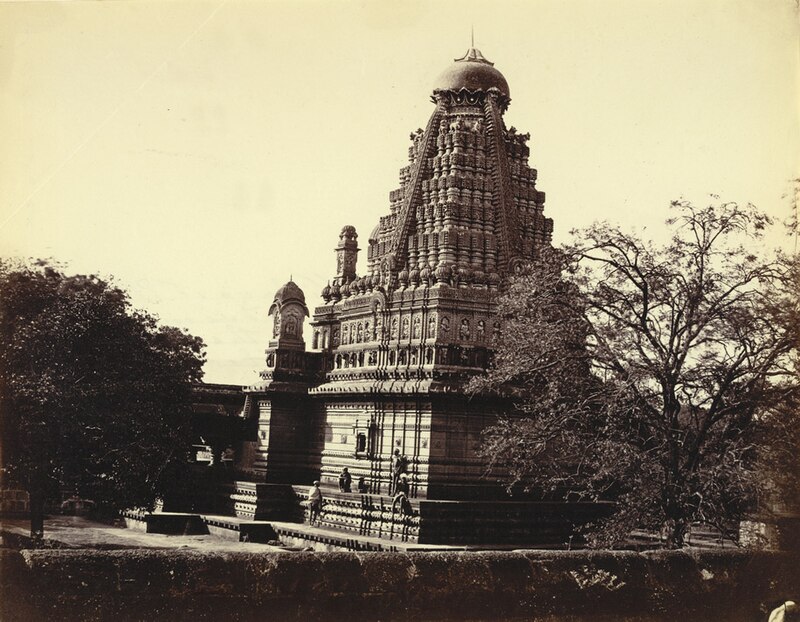
Architecturally, Grishneshwar is a masterwork of the Hemadpanti style, constructed entirely from striking red volcanic rock. Chosen for its supreme strength and long term durability against environmental weathering and historical upheavals, this red basalt stone has preserved the fine carvings, intricate friezes, and detailed architectural panels through the passing centuries. As you step onto these holy grounds, let the serene chants, fragrant incense, and solemn atmosphere prepare your mind for a transformative journey. Follow this audio guide as we walk through the outer basalt walls, the holy water tank, the pillared court hall, and the inner sanctum to experience the divine energy and timeless tranquility of Lord Shiva.
02 Outer Enclosure and Red Basalt Walls
As you approach the temple along the traditional pathway leading from Verul village, your eyes are immediately drawn to the majestic outer enclosure walls built entirely from striking red volcanic rock. This unique red basalt bestows upon Grishneshwar Temple a warm, glowing, and deeply memorable aesthetic presence. …
03 Shivalaya Kund Sacred Water Tank
Located approximately four hundred meters from the main temple structure lies the Shivalaya Kund, a deeply revered sacred water tank. In Hindu pilgrimage traditions, natural water sources and dedicated ritual reservoirs hold a profound theological role as instruments of spiritual purification. Before crossing the threshold into the main sanctum to stand before the deity, pilgrims gather at the stepped embankments of Shivalaya Kund to perform traditional bathing and washing rituals designed to…
04 Five-Tiered Shikhara Spire and Exterior Reliefs
Gaze upward toward the sky to admire the breathtaking five tiered Shikhara, the grand spire that crowns Grishneshwar Temple in magnificent vertical symmetry. Rising in five distinct, beautifully proportioned levels, this soaring spire represents a rare and brilliant architectural fusion of regional Deccan Hemadpanti construction techniques and South Indian Dravidian structural aesthetics. …
05 Pillared Court Hall and Nandi Shrine
Passing through the shaded stone portal into the interior, you step into a grand and airy court hall supported by twenty four magnificent carved stone pillars. Designed in the noble tradition of a royal assembly hall, this expansive central space offers shelter where hundreds of gathering pilgrims can join together in collective prayer, meditation, and devotional chanting. …
06 Sanctum Sanctorum and Swayambhu Jyotirlinga
At the absolute spiritual core of the temple lies the Garbhagriha, or sanctum sanctorum, a deeply reverent stone chamber filled with intense spiritual energy. Housed within this sacred square chamber, facing directly east toward the rising sun, is the Swayambhu Jyotirlinga of Shri Grishneshwar. The sacred ancient term Swayambhu signifies that this holy Shivlinga was not crafted by human tools, but naturally manifested out of divine energy from the earth. …
07 Aarti Precinct and Festival Courtyard
Exiting the inner sanctum, you step back into the bright open courtyard and ritual precinct that surrounds the central shrine. This spacious stone paving serves as the gathering ground for daily communal worship and grand seasonal festivals. Every day, the temple compound comes alive during fixed Aarti ceremonies, where consecrated flame offerings are presented to Lord Shiva amid enthusiastic group chanting, devotional music, and collective reverence. …
08 Closing
Our audio tour of Shri Grishneshwar Temple, the holy twelfth Jyotirlinga of Lord Shiva, now comes to a peaceful conclusion. From the resilient red basalt walls and the grand twenty four pillared court hall to the sacred Swayambhu Jyotirlinga in the inner sanctum, we hope this journey has brought you profound peace and spiritual inspiration. The story of Grishneshwar is a testament to the enduring power of faith, rising again and again through centuries of history. …