 Photo Wikimedia Commons
Contents
History & cultureBY TELLBY5 sections · numbered as on the map01 Orientation
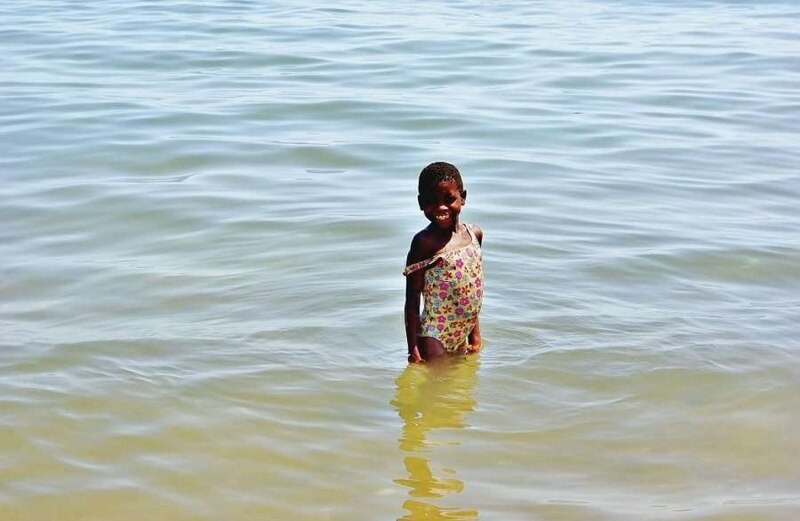
Welcome to Lake Malawi National Park, the first freshwater underwater national park in the world. Nestled within the southern reaches of the great African Rift Valley in Southeast Africa, this magnificent body of water sits at an elevation of 500 meters above sea level and reaches astonishing depths of up to 700 meters in places. On November 24 1980, the government of Malawi created this national park specifically to safeguard a representative sample of the lake biome and its delicate aquatic habitats. Recognizing its extraordinary biological value and dramatic natural landscape, UNESCO inscribed the park as a Natural World Heritage site in 1984. Spanning approximately 94 square kilometers, the park encompasses the mountainous Nankumbu Peninsula, the coastal promontory of Cape Maclear, two inland hill ranges, and 13 picturesque rocky islands including Otter, Domwe, Mumbo, and Thumbi West. Crucially, the park includes a 7 square kilometer aquatic zone that extends exactly 100 meters from the shoreline of these landmasses, protecting vital underwater vegetation and fish breeding grounds. While this protected aquatic zone represents just 0.02 percent of the total surface area of Lake Malawi, it harbors an unprecedented concentration of freshwater biodiversity. Lake Malawi contains the largest number of fish species of any lake on Earth, with estimates reaching up to 1000 distinct species across 10 families. Among them, the colorful rock dwelling tilapine cichlids, known locally as mbuna, demonstrate one of the most remarkable examples of biological evolution ever documented. Over hundreds of thousands of years, as lake water levels fluctuated and created isolated rocky microhabitats, these fish adapted to specialized diets, undergoing rapid speciation and adaptive radiation that scientists directly compare to Charles Darwin finches on the Galapagos Islands and the honeycreepers of Hawaii. Out of more than 350 cichlid species residing within the park boundaries, all but 5 are strictly endemic, existing nowhere else on Earth. As you look out over the crystal clear waters framed by steep forested mountains, prepare to embark on an unforgettable journey through a living laboratory of natural history.
02 Chembe Fishing Village Shoreline
It is a truly astonishing reality that approximately 25000 local residents live in active human settlements established directly inside the boundaries of a UNESCO Natural World Heritage site. While most national parks across the African continent strictly exclude permanent human habitation, Lake Malawi National Park incorporates a unique human dimension where traditional culture and environmental conservation intersect. …
03 Livingstone's Historic Baobab Tree
This towering and legendary baobab tree standing before you was already a giant of the African forest, hundreds of years old, long before the first European explorers ever set foot on the shores of Lake Malawi. Botanists and local historians estimate that this massive living monument has thrived in this exact spot for over 800 years, standing as an enduring silent witness to centuries of changing cultures and historical turning points. …
04 Historic Missionary Graves at Cape Maclear
Five simple, weathered stone headstones resting quietly beneath the forest canopy mark the tragic and courageous beginning of the Free Church of Scotland mission in Central Africa. Established in 1875, this humble burial ground stands as a poignant reminder of the immense human sacrifice that accompanied the early foreign encounters along the shores of Lake Malawi. …
05 Closing
Thank you for taking the time to explore Lake Malawi National Park with us today. As our audio guide journey comes to an end, we hope you have developed a deep appreciation for this extraordinary sanctuary where terrestrial mountain wilderness, rich human history, and unparalleled freshwater biodiversity unite in complete harmony. …