 Photo Wikimedia Commons
Contents
History & cultureBY TELLBY7 sections · numbered as on the map01 Orientation
Welcome to Cavernas do Peruaçu National Park, an extraordinary sanctuary of natural wonder and deep geological history located in the northern region of Minas Gerais state, Brazil. This remarkable protected landscape encompasses a majestic fluviokarst canyon and an incredible system of massive limestone caves formed over millions of years through the continuous interaction of subterranean water flows and ancient carbonate rock formations. Spanning across the municipalities of Januária, Itacarambi, and São João das Missões, this conservation unit was officially created in 1999 under Brazilian federal law and is expertly administered by the Chico Mendes Institute for Biodiversity Conservation. In 2025, during the 47th session of the World Heritage Committee held in Paris, the site achieved international acclaim when the Peruaçu River Canyon was inscribed on the UNESCO World Heritage List under natural criteria vii and viii for its superlative natural beauty, monumental cave architecture, and world-class geological karst features. The park shares its broader ecological landscape with neighboring protected areas, including the Veredas do Peruaçu State Park and the Xakriabá Indian Reserve, fostering an enduring link between biological preservation and indigenous cultural heritage. The Peruaçu River flows gracefully from the northwest to the southeast, carving its subterranean path directly through immense limestone massifs before joining the great São Francisco River along the southeastern boundary of the park. Situated within a crucial ecological transition zone between the semi-arid Cerrado and Caatinga biomes, with fragments of Atlantic Forest, the park features a striking mosaic of distinct microclimates and habitats. This diverse environmental framework supports over 2,000 documented species of flora and fauna. Endangered wildlife species such as the maned wolf, cougar, jaguar, ocelot, colocolo, chestnut-bellied guan, Minas Gerais tyrannulet, and specialized subterranean troglobitic fish thrive within this well-preserved ecosystem. With its vast array of cataloged caverns, colossal ceiling skylights that shelter subterranean forest oases, and dozens of prehistoric rock art sites that record human presence dating back thousands of years, the park stands as a testament to the forces of natural evolution and cultural memory. To ensure the strict protection of these fragile geological formations and ancient archaeological remains, public visitation inside the park is carefully regulated, requiring all guests to be accompanied by certified local guides along established trails. As we prepare to begin our exploration, please follow your guide closely and immerse yourself in the quiet majesty of this subterranean wonderland.
02 Peruaçu River Canyon Overview
Millions of years ago, as the ancient inland sea that once covered vast portions of South America gradually receded, massive limestone blocks were exposed to the open elements, allowing the powerful flowing waters of the Peruaçu River to carve through the carbonate rock and form a subterranean fluviokarst canyon stretching 21 kilometers with a vertical variation exceeding 200 meters and six major collapse points, creating one of the most extraordinary geological landscapes on Earth. …
03 Gruta do Janelão and the Giant Stalactite
Inside this monumental cavern, subterranean galleries reaching over 100 meters in height and width house nearly 2.8 kilometers of underground river passages, illuminated by massive natural skylights and protecting the world's largest stalactite, measuring approximately 28 meters in length, a astounding geological fact that fills visitors with profound wonder. …
04 Lapa do Boquete Archaeological Site
This natural rock shelter served as an active human habitation site, food storage facility, and sacred burial ground dating back 12,000 years, making it one of the most significant archaeological sites in South America. The sheer depth of human history preserved within these cavernous limestone walls provides an irreplaceable cultural connection to the earliest human inhabitants of the Brazilian continent. …
05 Gruta do Rezar Entrance and Hall
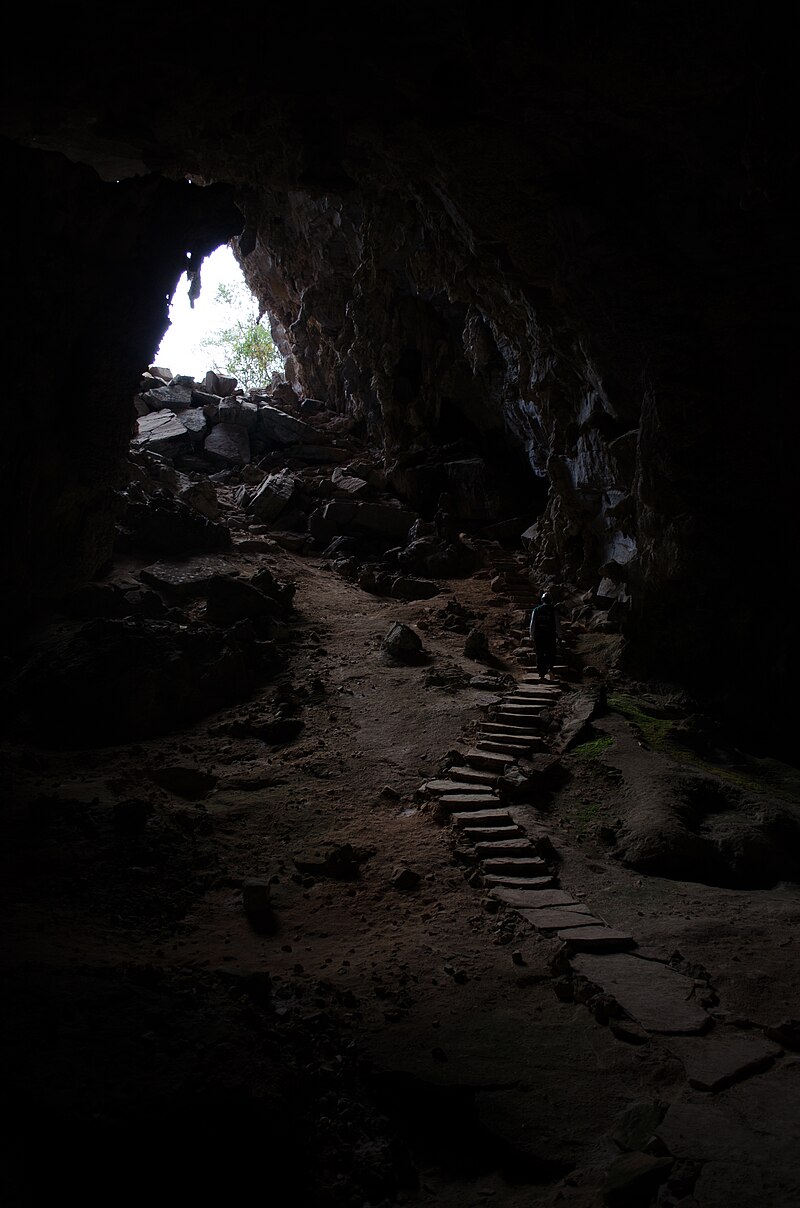
Reached after ascending a challenging wooden staircase of more than 500 steps, this monumental cave reveals an entrance hall measuring ninety meters wide and forty meters high, overwhelming visitors with a grandeur that rivals the most magnificent natural cathedrals on Earth. The physical effort required to climb these 500 steps heightens the sense of anticipation and wonder upon reaching the elevated cave entrance. …
06 Arco do André Rock Arch
Located at the far end of an eight kilometer hiking trail, this monumental rock arch stands as a colossal stone bridge sculpture formed when a massive cavern ceiling collapsed, leaving only this resilient span spanning across the open sky, a spectacle that leaves every hiker spellbound. The scenic journey along the eight kilometer path prepares visitors for this dramatic geological climax, where rock and sky meet in breathtaking harmony. …
07 Closing
Today, we have traveled together through monumental fluviokarst canyons, majestic limestone caves, and sacred sites bearing the 12,000 year old traces of prehistoric human culture. Cavernas do Peruaçu National Park is far more than a scenic travel destination; it is a living sanctuary of Earth's deep geological history and an irreplaceable repository of human heritage. …