 Photo Wikimedia Commons
Contents
History & cultureBY TELLBY1 sections · numbered as on the map01 Château de Beynac
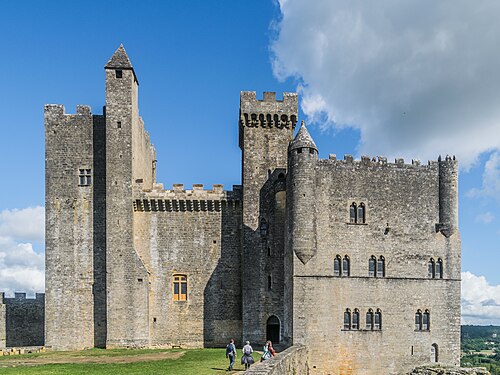
Now this is what I call proper feudal ostentation. If you wish to intimidate your neighbors, build a fortress one hundred and fifty meters straight up a sheer limestone cliff. Welcome to Château de Beynac, one of the most formidable strongholds in all of Périgord. Look down at the curving Dordogne river below; back in the twelfth century, even Richard the Lionheart claimed this square keep to command the entire region. During the Hundred Years' War, French knights inside Beynac stared directly across the river at English occupied Castelnaud, trading insults and arrows across the water. Notice the double defensive ramparts, the narrow arrow slits, and the sheer drop that made direct assault practically suicidal for any siege commander. Filmmakers loved shooting our tale here because these stark battlements practically scream medieval power and endless baronial rivalry. Men spent generations pouring coin into higher towers and thicker masonry, convincing themselves that stone could grant them immortality. It is an astonishing sight, I must admit, but as you wander through the noble hall, remember that every rock was hoisted by peasants who never got their names carved in stone.