 Photo Wikimedia Commons
Contents
History & cultureBY TELLBY7 sections · numbered as on the map01 Orientation
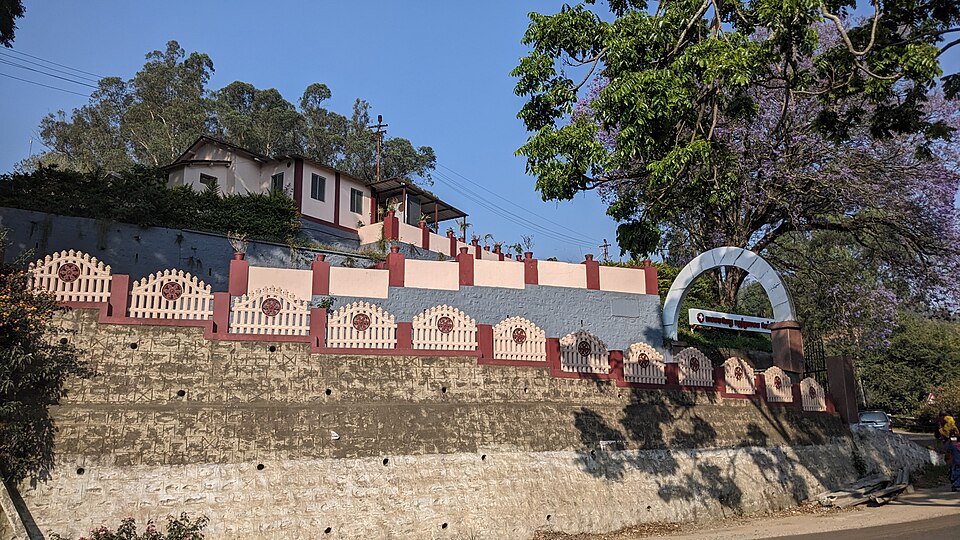
Welcome to Coonoor, the radiant jewel of the Nilgiri Mountains. Situated in the Nilgiris district of the southern Indian state of Tamil Nadu, Coonoor rests gracefully at the south-eastern corner of the Nilgiri plateau at an average elevation of one thousand eight hundred fifty meters above sea level. Positioning itself at the head of the historic Coonoor Ghat, which serves as the primary mountain pass connecting the high plateau with the sprawling low plains, this tranquil town is located twelve miles, or nineteen kilometers, away from the district headquarters of Ooty, and is connected to the state capital of Chennai by a scenic rail journey of three hundred sixty-three miles, or five hundred eighty-four kilometers. Historical nineteenth-century archives reveal that barometrical measurements published in eighteen thirty-four recorded Coonoor at five thousand eight hundred eighty-six feet, corresponding to approximately one thousand seven hundred ninety-four meters. Nestled within the upper reaches of the picturesque Jackatalla valley, also known as Jagathala, the town is enclosed by heavily wooded hills, dense shola evergreen forests, and rolling green downs that foster a pleasant subtropical highland climate throughout the entire year. Since the era of British administration, Coonoor was celebrated across the Madras Presidency as a premier hill station, recognized second only to Ooty for its extraordinary natural advantages and healthful atmosphere. While the upper plateau was laid out as an administrative and residential sanctuary for European officers and visitors, the lower valley slopes accommodated vibrant native quarters and traditional market streets. Beyond its colonial layer, the surrounding mountain landscape holds ancient spiritual resonance for the indigenous Toda community, who have long revered these high peaks, sacred groves, and traditional munds as the sacred dwellings of tribal deities, alongside regional traditions linking the Nilgiris to the ancient sage Agastya. Today, this audio guide invites you to embark on a comprehensive walking tour designed to reveal the multi-layered cultural and natural heritage of Coonoor. As you walk through this enchanting high-altitude landscape, you will explore a carefully curated route that highlights the town's most significant heritage landmarks. Your journey will lead you from the historical railway station where steam engines still echo through the valley, along the rugged nineteenth-century pass roads where ancient stone milestones were recently unearthed, and into the verdant depths of Sim's Park botanical garden. You will also uncover the fascinating evolution of Nilgiri tea cultivation across famous local estates, before taking in breathtaking panoramic vistas from the soaring cliffs of Lamb's Rock and Dolphin's Nose. As you listen, allow the calm and clear commentary to accompany your steps, taking time to absorb the serene mountain air and timeless beauty at your own relaxed pace.
02 Coonoor Railway Station and the Mountain Railway
Welcome to the historic Coonoor Railway Station, an irreplaceable operational hub along the famed Nilgiri Mountain Railway and a celebrated monument of Indian transport heritage. Situated within the Salem railway division of the Southern Railway zone, this historic station lies precisely between Mettupalayam railway station in the lower plains and Ooty railway station on the higher reaches of the Nilgiri plateau. …
03 The Historic Coonoor Ghat Road and Milestone
You are now standing along the historic Coonoor Ghat Road, a monumental nineteenth-century engineering achievement that opened vital transit between the lowland plains and the high Nilgiri plateau. The planning and construction of the Coonoor Pass were carried out under the direct supervision of Lieutenant-Colonel Le Hardy of the Madras Army. …
04 Kannavarai and the Heritage of Nilgiri Tea Estates
Welcome to the historic tea landscape of Kannavarai and the Nilgiris, a region world-renowned for producing some of the brightest, most aromatic, and naturally complex teas in existence. The story of Nilgiri tea began in eighteen thirty-five when French botanist George Samuel Perrottet planted Chinese Camellia sinensis seeds in the Governor's garden at Ketti. …
05 Lamb's Rock Viewpoint
Welcome to Lamb's Rock, one of the most famous and breathtaking vantage points in the Nilgiri Hills, situated approximately five point five kilometers from the heart of Coonoor. Perched dramatically on the edge of a soaring cliff, this scenic lookout is named after a British military officer, Captain Lamb, who mapped the area during the nineteenth century and spent considerable time appreciating its sublime natural beauty. …
06 Dolphin's Nose and Lady Canning's Seat Trek
Welcome to Dolphin's Nose Viewpoint and the scenic Lady Canning's Seat trek, located approximately ten kilometers from the municipality of Coonoor. Rising more than a thousand feet above the valley floor, Dolphin's Nose is named for its extraordinarily unique geological rock formation, which jutting sharply out from the mountain ridge closely resembles the snout of a leaping dolphin. …
07 Closing
This concludes our Coonoor Audio Heritage Tour, a journey through the historical heart and extraordinary natural scenery of the Blue Mountains. Together, we have explored the rich multi-layered legacy of this peaceful hill town resting on the Nilgiri plateau at an average elevation of one thousand eight hundred fifty meters above sea level. …