Contents
History & cultureBY TELLBY8 sections · numbered as on the map01 Orientation
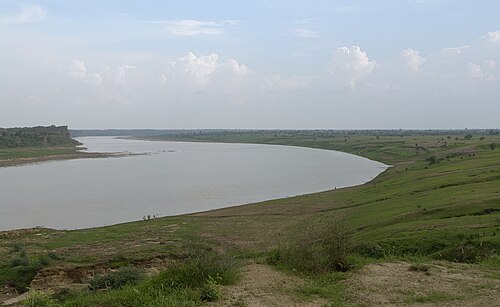
Welcome to the National Chambal Wildlife Sanctuary, one of India's most pristine and dynamic natural ecosystems. Standing at the junction where the three northern states of Rajasthan, Madhya Pradesh, and Uttar Pradesh meet, this sanctuary encompasses a vast riverine protected area covering an impressive total area of five thousand four hundred square kilometers. Jointly administered by the forest departments of all three states, this long and narrow ecological reserve stretches across a remarkable landscape carved by the historic Chambal River. The river itself originates in the Vindhya Mountains near Indore in Central India, flowing gracefully through Rajasthan before finally joining the Yamuna River at Etawah in Uttar Pradesh. Out of the river's total length of nine hundred sixty kilometers, an extensive four hundred twenty five kilometer stretch forms the core of this unique water sanctuary. The official journey of this sanctuary began on September thirtieth, nineteen seventy eight, when the Government of India issued administrative approval to establish a protected sanctuary aimed at rescuing endangered wildlife species from the brink of extinction. Under Section eighteen one of the Wildlife Protection Act of nineteen seventy two, individual states issued their respective notifications for territories within their jurisdiction. The Government of Madhya Pradesh gazetted its portion on December twentieth, nineteen seventy eight, followed by the Government of Uttar Pradesh on January twenty ninth, nineteen seventy nine, and the Government of Rajasthan on December seventh, nineteen seventy nine. Today, the entire sanctuary is managed by the Department of Forest under a dedicated Project Officer headquartered at Morena in Madhya Pradesh. The Chambal Valley is world famous for its dramatic badland topography, shaped by centuries of unrelenting water erosion that created intricate mazes of mud cliffs, steep gullies, and pristine sandy beaches. Surrounded by tropical dry scrub forest habitats, this pristine environment provides ideal nesting grounds and living spaces for a remarkable array of wildlife, including over three hundred recorded species of resident and migratory birds, unique crustaceans, and freshwater mammals. Most importantly, it serves as the ultimate stronghold for three keystone species: the critically endangered gharial, the critically endangered red crowned roof turtle, and the endangered Ganges river dolphin. As you leave behind the noise of modern urban life and enter this peaceful realm of ochre cliffs and shimmering waters, you are stepping into one of the greatest conservation success stories in Asian history. We invite you to listen closely to the soothing rhythms of the river and the calls of wild birds as we begin our unforgettable journey through the extraordinary wild heritage of the Chambal Sanctuary. This expansive reserve stands as a shining beacon of hope, showing how dedicated multi state cooperation can shield delicate riverine life from destruction while welcoming visitors to discover the breathtaking wonder of undisturbed wilderness.
02 Entering the Rugged Badlands and Ravines
As we make our way along the approach road toward the sanctuary, we enter the rugged badlands and dense scrub forest region that characterizes the outer perimeter of the Chambal basin. The striking ochre hued ravines stretching out before you are a breathtaking testament to centuries of continuous riverbank and rainwater erosion. …
03 Boarding Point at Nadgawan Ghat
Emerging from the maze of badland ravines, you arrive at the serene waterside of Nadgawan Ghat, the primary jetty and boarding point for boat safaris within the National Chambal Sanctuary. Here along the riverbank, visitors obtain official entry permits issued by the forest department before embarking on motorized boat excursions accompanied by experienced local drivers and naturalists. The waters of the sanctuary offer an exclusive perspective on wildlife that cannot be observed from land. …
04 Sanctuary for the Critically Endangered Gharial
As your boat glides smoothly down the river, wide sandy beaches and sun drenched sandbanks emerge along the channel. These sandbars represent the absolute core of the sanctuary, serving as the primary basking and nesting grounds for the critically endangered gharial crocodile, the ultimate flagship species of the Chambal River. …
05 Ancient Reptiles on the River Rocks
Continuing our boat journey along the river channel, the landscape reveals exposed rock formations and stony outcrops protruding from the shallow waters. These rocky stretches serve as vital basking sites for an astounding variety of rare freshwater turtles. India is home to twenty six species of turtles, and remarkably, eight of these rare species reside right here within the National Chambal Sanctuary. …
06 The Aquatic Realm of the Ganges River Dolphin
As the boat enters a wider section of the river where the current slows and the water deepens into emerald colored pools, our boat driver throttles back the engine to a quiet whisper. This deep water zone represents the primary aquatic habitat of the endangered Ganges river dolphin, one of the world's few surviving freshwater cetaceans. Known locally in Hindi as the susu or sus, this remarkable mammal has lived in Indian river systems for millennia. …
07 From Bandit Hideouts to Conservation Haven
Ascending to the elevated lookout hill overlooking the sweeping bends of the river, you are presented with a panoramic vista of the famous Chambal ravines. While this ochre hued badland landscape appears serene and picturesque today, it was synonymous for centuries with legendary tales of violence, rebellion, and lawlessness. The disorienting network of deep gullies and impassable mud cliffs formed an ideal sanctuary for outlaws, known locally as dacoits or baaghis. …
08 Closing
As our tour comes to a gentle close, we reflect upon the remarkable journey through the National Chambal Wildlife Sanctuary. The shimmering river currents and towering ochre cliffs stand as an inspiring testament to the power of dedicated conservation. To ensure the long term survival of this fragile lotic ecosystem, the National Tri State Chambal Sanctuary Management and Coordination Committee was formally established following a government initiative announced at the Madras Crocodile Bank in…