Contents
History & cultureBY TELLBY8 sections · numbered as on the map01 Orientation
Hello and a very warm welcome to Colaba, the historic peninsula located at the southern tip of Mumbai. I am your audio guide and heritage curator, and I am delighted to accompany you on this immersive walking tour through one of the most culturally rich neighborhoods in India. Before we begin our walk, take a moment to breathe in the refreshing Arabian Sea breeze and appreciate the extraordinary history beneath your feet. Today, Colaba is celebrated for its majestic colonial architecture, vibrant street markets, and picturesque coastal promenades, but its origins tell a story of remarkable urban transformation.
Originally, this area was not a single continuous landmass. It consisted of separate, quiet islands home to the indigenous Koli fishing community. The Kolis called their home Kolabhat, a word in their native language that eventually evolved into the name Colaba. During the sixteenth century, Portuguese traders arrived in the region and took control of the main island of Colaba and the adjacent Old Womans Island under the Treaty of Vasai in fifteen thirty four, signed with the Sultanate of Cambay.
In sixteen sixty one, a momentous diplomatic event altered the fate of these islands forever. King Charles the Second of England married Catherine of Braganza, the princess of Portugal, and the islands of Mumbai were handed over to the British Crown as part of the royal dowry. King Charles subsequently leased the territory to the British East India Company. In sixteen seventy five, Governor Gerald Aungier officially took possession of Colaba and Old Womans Island on behalf of the Company. Portugal retained partial ownership of Little Colaba for several more decades until around seventeen sixty two, leaving behind intriguing legacies such as the residence leased to the Bishop of Damao, which stands today as the Blessed Sacrament Chapel in Middle Colaba.
By seventeen ninety six, Colaba had developed into a strategic military cantonment. Scientific and medical infrastructure soon followed, including the establishment of the historic Colaba Observatory in Upper Colaba in eighteen twenty six, and the medical facilities known as the Sick Bungalows, which operate today as Indian Naval Hospital Ship Asvini. However, the most decisive transformation occurred in eighteen thirty eight with the completion of the Colaba Causeway. This massive engineering project constructed a solid land link over the sea, connecting the isolated islands to the main island of Bombay. The Causeway unlocked tremendous economic growth, leading to the opening of the Cotton Green exchange in eighteen forty four.
Transit innovations quickly reshaped the district. In eighteen seventy three, Stearns and Kitteredge introduced horse drawn tramways operating from the site where Electric House stands today. Soon after, in eighteen seventy five, Sassoon Docks was opened, and the Bombay Baroda and Central India Railway established its major passenger terminus at Colaba, located where Badhwar Park stands today. Later, around nineteen zero five, the Bombay City Improvement Trust reclaimed vast areas of land on the western shore, culminating in the completion of the beautiful Cuffe Parade seafront promenade in nineteen zero six.
Now that you know how these scattered fishing islands transformed into Mumbais premier heritage precinct, let us step forward together into history. Walk gently toward the coast where our first grand landmark awaits you.
02 Gateway of India
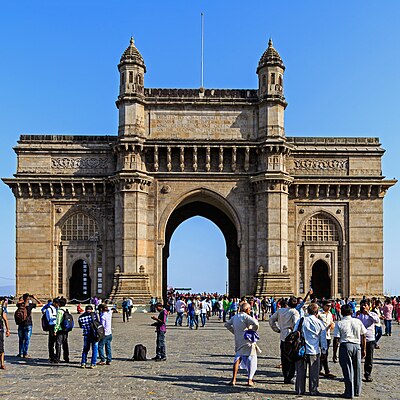
We have now arrived at our first landmark, standing magnificently before the waters of the Arabian Sea at Apollo Bunder, the iconic Gateway of India. Rising to an impressive height of twenty six meters, this monumental basalt archway glows with warm golden brown hues when bathed in the sea light, leaving an indelible impression on everyone who visits. …
03 The Taj Mahal Palace Hotel
Directly across from the Gateway of India stands a majestic palace adorned with a striking red dome and intricate arches, the world famous Taj Mahal Palace Hotel. Opened in nineteen zero three, this legendary hotel is widely regarded as the pride of Mumbai and one of Asias most brilliant luxury heritage landmarks. The origins of this extraordinary hotel are tied to a famous story involving Jamsetji Tata, one of Indias pioneering industrial visionaries. …
04 Colaba Causeway
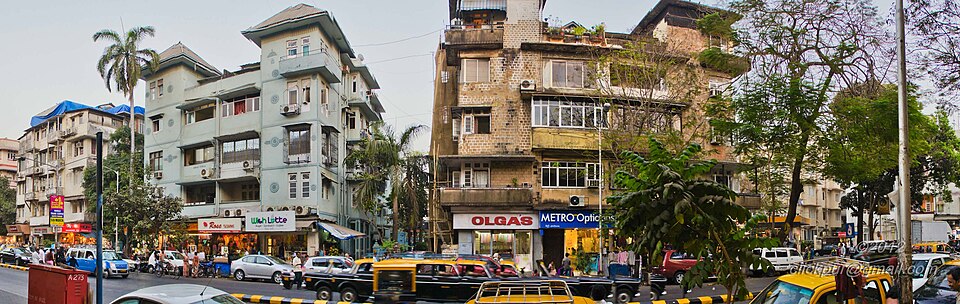
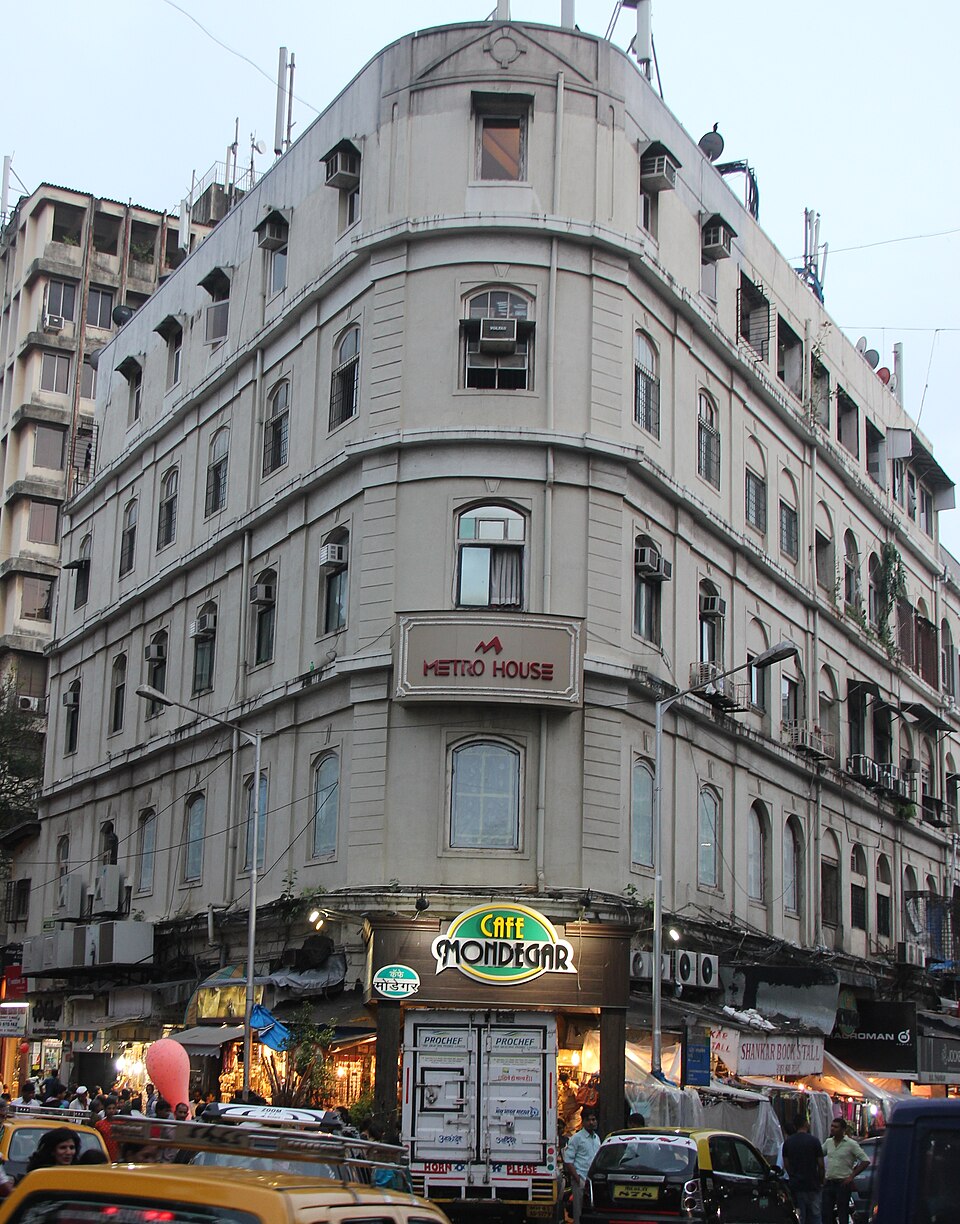
We now find ourselves at the vibrant beating heart of the district, officially named Shahid Bhagat Singh Road, but affectionately known to all as Colaba Causeway. Stretching over a distance of approximately one point five kilometers, this bustling avenue is Mumbais most famous street bazaar, where two centuries of urban history merge with the dynamic energy of contemporary commercial life. …
05 Regal Cinema and Art Deco Precinct
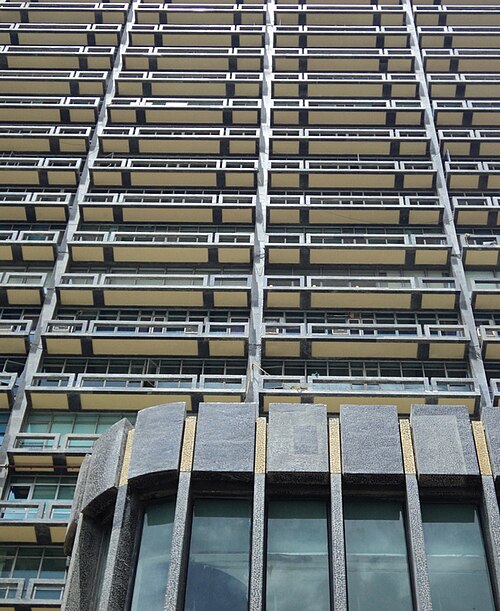
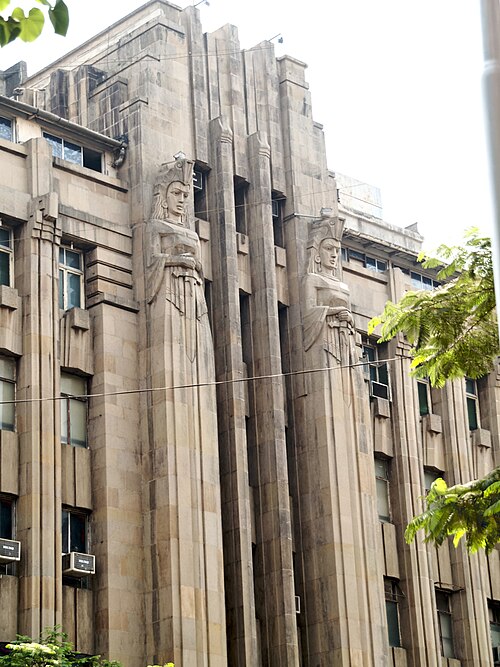
As we reach the northern end of Colaba Causeway near Regal Circle, the streetscape seamlessly transforms from traditional nineteenth century facades into the sleek, modern aesthetic of the nineteen thirties. We are now standing in the Regal Cinema and Art Deco precinct, a neighborhood celebrated for its incredible collection of early twentieth century architecture. …
06 Sassoon Docks
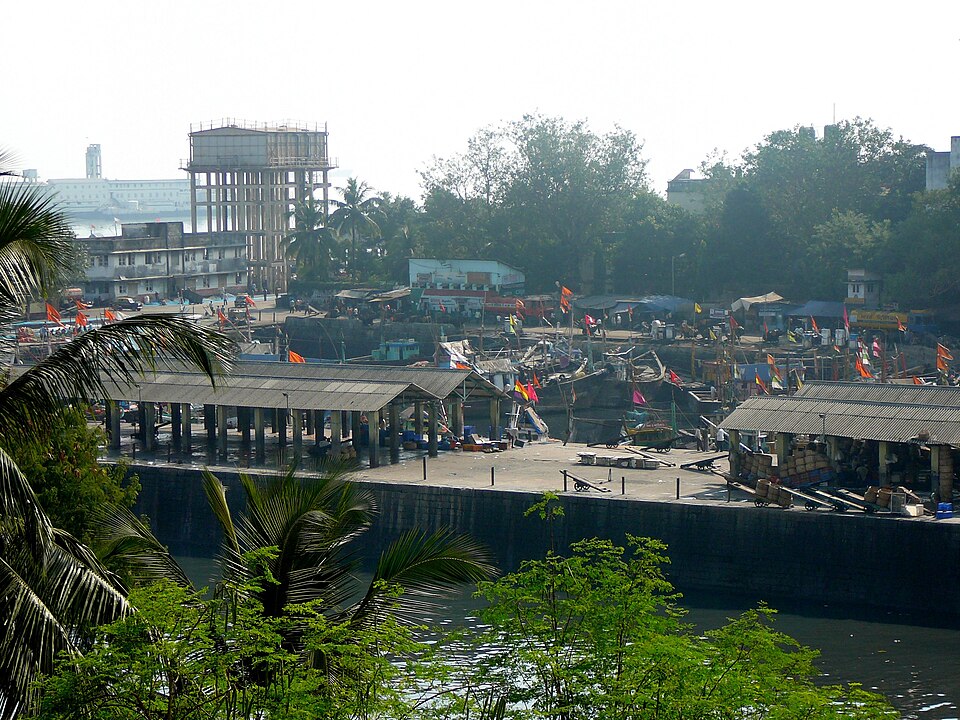
Stepping into Sassoon Docks on Colabas eastern waterfront, you are instantly greeted by the bracing scent of the sea and the raw, energetic pulse of maritime labor. Built in eighteen seventy five by the prominent Baghdadi Jewish merchant David Solomon Sassoon on reclaimed land, this historic site was the very first commercial wet dock constructed in Mumbai. …
07 Afghan Church
Arriving in the tranquil tree lined military cantonment area of South Colaba, a striking architectural spire rises gracefully above the green canopy. This is the historic Afghan Church, officially known as the Church of Saint John the Evangelist. Leaving behind the lively clamor of the Causeway, stepping into the quiet courtyard of this church feels like stepping through a doorway into another century, surrounded by an atmosphere of deep peace and solemn beauty. …
08 Closing
Dear travelers, our historical walking tour through the remarkable heritage district of Colaba has now come to a warm and memorable conclusion. As we stand here with the gentle ocean breeze sweeping in from the Arabian Sea, I hope this journey from the iconic Gateway of India at the northern edge down to the peaceful Afghan Church in the south has left you with cherished memories and a deeper appreciation for Mumbais living history. …