Contents
History & cultureBY TELLBY8 sections · numbered as on the map01 Hozenji Yokocho
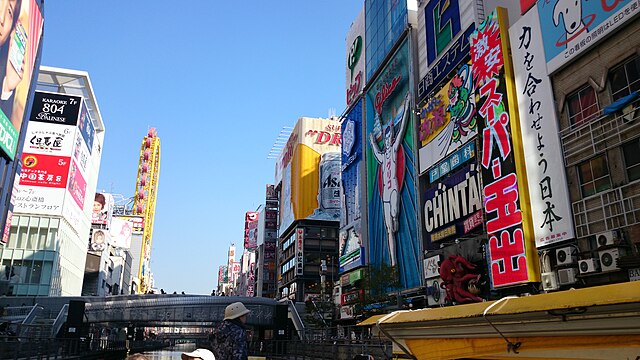
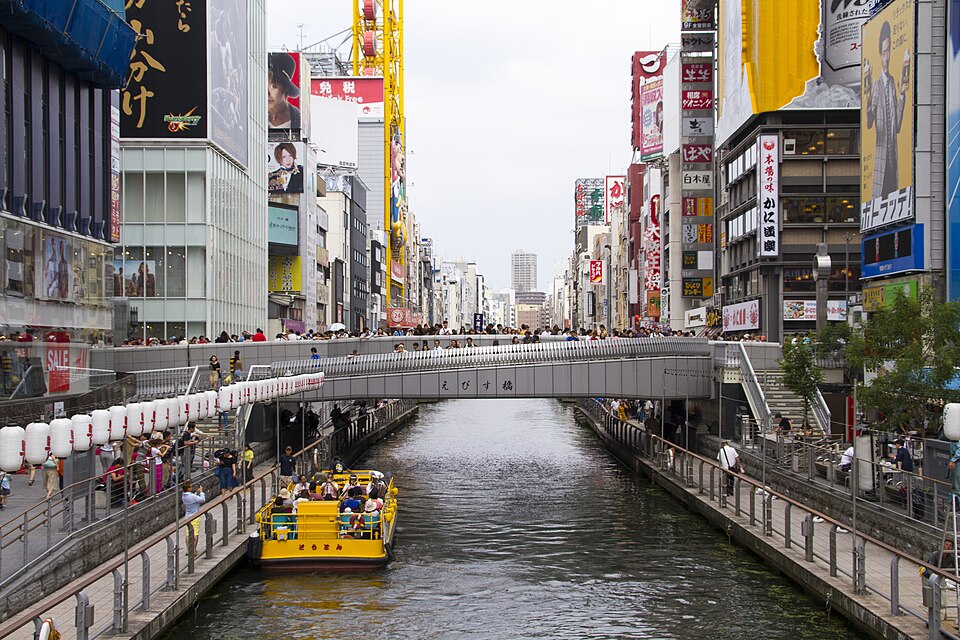
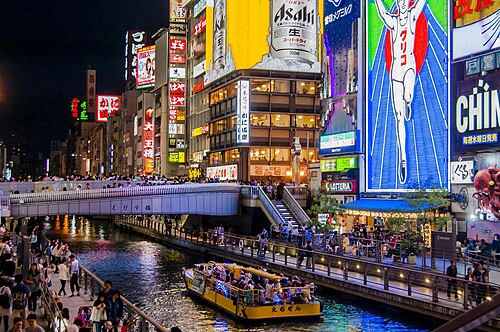
Welcome, seekers of tranquility, to Hozenji Yokocho. If our previous explorations in Dotonbori represented the hyper-modern, neon-saturated id of Osaka, we are now stepping into its quiet, contemplative soul. The transition is startlingly abrupt. You turn off a main street echoing with pop music and pachinko bells, step down a narrow passageway, and suddenly the acoustic and visual landscape shifts entirely. You have entered a 'yokocho'—a traditional side alley—paved with uneven stone and illuminated by the warm, flickering glow of paper lanterns. This is an oasis of calm perfectly preserved within the storm of the city. The history of this specific enclave dates back to the early 17th century, originating as the grounds of the Hozenji Temple, established around 1637. Over centuries, street vendors and small stalls gathered here to cater to the worshippers, eventually solidifying into the permanent, intimate restaurants and izakayas that line the alley today. Walking these stones, you are treading the same path as Edo-period merchants, Meiji-era writers, and modern-day locals seeking respite. Let us slow our pace, allow our eyes to adjust to the dim, ambient light, and explore the profound historical and spiritual layers hidden within this narrow corridor.
02 The Aesthetics of the Yokocho
Let us pause and examine the physical architecture of the alley itself. Hozenji Yokocho is remarkably narrow, approximately 80 meters long and barely wide enough for two people to pass comfortably. This spatial compression is deliberate; it fosters a sense of intimacy and shared experience. The ground beneath us is paved with 'ishi-datami,' traditional stone flagging. …
03 The Heart of the Alley: Hozenji Temple
At the spiritual and geographical center of the yokocho lies the Hozenji Temple itself. Founded in 1637, this small Buddhist temple belongs to the Jodo sect. Unlike the grand, sprawling temple complexes of Kyoto, Hozenji is deeply integrated into the urban fabric, a neighborhood shrine in the truest sense. Despite the catastrophic bombings of World War II that decimated much of Osaka, the central icon of this temple miraculously survived, cementing its status as a symbol of resilience. …
04 Mizukake Fudo: The Moss-Covered Guardian
We now approach the most remarkable feature of Hozenji Temple, and indeed the yokocho itself: the statue of Mizukake Fudo. 'Mizukake' translates to 'water-splashing.' When you look at the statue, you will not see the stone carvings of the fierce deity; instead, you will see a figure entirely enveloped in a thick, lush coat of vibrant green moss. This striking appearance is the result of a continuous, deeply participatory ritual. …
05 The Ritual of Purification
If you are so inclined, I encourage you to participate in the ritual. Wait for your turn at the basin. The process is simple but requires a moment of mindful intention. Grasp the wooden ladle, fill it with the cool, clear water, and gently toss it over the mossy shoulders of the Fudo Myoo statue. Some splash it vigorously, while others pour it with quiet reverence. …
06 Literary Echoes and Culinary Heritage
Leaving the immediate temple grounds, let us examine the surrounding establishments. Hozenji Yokocho is not merely a religious site; it is a vital culinary and literary landmark. The alley is famous for its high-quality, traditional restaurants, including those serving kappo-style dining, okonomiyaki, and kushi-katsu. Many of these establishments have been operated by the same families for generations. The alley also holds a significant place in Japanese literature. …
07 The Enduring Sanctuary
As we prepare to exit the alley, pause once more to look back. The contrast between this quiet, moss-draped sanctuary and the impending neon glare of the modern city is a powerful reminder of urban duality. Hozenji Yokocho has survived fires, bombings, and the relentless pressure of modernization. When a severe fire damaged the alley in the early 2000s, there was an immense, immediate outpouring of support from the local community to rebuild it exactly as it was, ensuring the cobblestones and…
08 Hozenji Yokocho
Our journey through Hozenji Yokocho concludes here. This brief detour from the main thoroughfares has offered us an invaluable perspective on the historical depth of Osaka. We have walked the ancient stone paths, observed the delicate, restrained aesthetics of traditional Japanese architecture, and engaged with the profound, living ritual of the Mizukake Fudo. We have seen how a fearsome deity was softened into a beloved, moss-covered guardian by the collective prayers of a community. …