Contents
History & cultureBY TELLBY2 sections · numbered as on the map01 The Marble and the Mist: A Hammam Pilgrimage
Morning arrives in Istanbul not as a sudden burst of harsh sunlight, but as a soft gray veil slipping gently off the towering domes of Sultanahmet. Walking down the damp cobblestone lanes of the ancient city, the crisp autumn air carries the aroma of roasted chestnuts, freshly brewed black tea, and the faint salty breeze drifting upward from the Bosphorus strait. My feet carry me almost automatically toward the quiet silhouette of historical bathhouses, where warm steam has drifted through carved stone chimneys for well over four hundred years. To step inside an Ottoman hammam is to leave the relentless rhythm of linear time behind. It is an intimate ritual of surrender, where the noise of the modern metropolis slowly dissolves into the soothing drip of water against marble basins and the soft resonance of barefoot steps echoes under vaulted ceilings.
The bathhouse in Istanbul was never intended merely as a functional place to wash away the physical dust of long journeys. It flourished for centuries as the vibrant social heart of Ottoman urban life, a sacred sanctuary where sultans, grand viziers, court poets, and neighborhood residents gathered on equal terms across the heated marble floors. In historical eras when women lived mostly within the secluded quarters of domestic homes, the hammam offered an indispensable realm of freedom, community, and joy. Here, mothers thoughtfully selected future brides for their sons, old friends exchanged neighborhood stories, and festive gatherings were celebrated with sweet fruit sherbets, ripe pomegranates, and dried figs laid out on woven linen cloths. The classical architecture itself was masterfully designed by royal visionaries to guide the visitor through deliberate stages of physical and mental cleansing, moving from the cool reception lounge known as the camekan, into the warm intermediate halls, and finally entering the radiant hot room under a dome pierced by glass star skylights.
Echoes of Water and Imperial Stone
Rich history vibrates quietly within these thick stone walls. In the sixteenth century, Sultan Suleiman the Magnificent defied long standing court traditions by freeing and legally marrying his beloved concubine Hürrem Sultan. To honor her status, Hürrem Sultan commissioned the chief imperial architect Mimar Sinan to construct a grand bathhouse right between Hagia Sophia and the Blue Mosque. Decades later, Nurbanu Sultan, the powerful mother of Sultan Murad III, directed Sinan to build the magnificent Çemberlitaş Hamam along Divan Yolu, the ancient processional highway that once connected Constantinople to Rome. Its archway was embellished with gold thuluth calligraphy by court poet Sa'i-i Da'i praising her generosity. In the eighteenth century, Sultan Mahmud I funded his library in Hagia Sophia through the revenue of Cağaloğlu Hamam, which would later welcome iconic figures including nursing pioneer Florence Nightingale and King Edward VIII.
The Sanctuaried Heart
As I lie back upon the smooth heated marble stone at the center of the hot room, watching shafts of morning light stream through tiny glass stars in the dome, every accumulated tension of travel evaporates into the mist. The firm stroke of the coarse goat hair kese glove gently removes the past, while billows of lavender scented olive oil soap foam envelop the skin in soothing warmth. You do not visit an Istanbul hammam simply to pamper the body. You come to listen to the whispers of forgotten centuries, to feel the enduring harmony of water and stone, and to rediscover the profound peace that emerges when you allow yourself to sit quietly in the present moment.
02 Sanctuary Between Domes
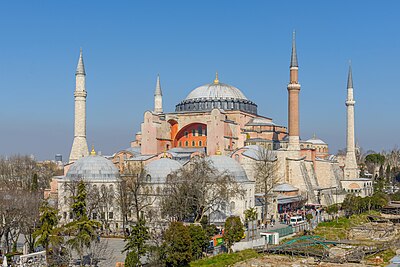
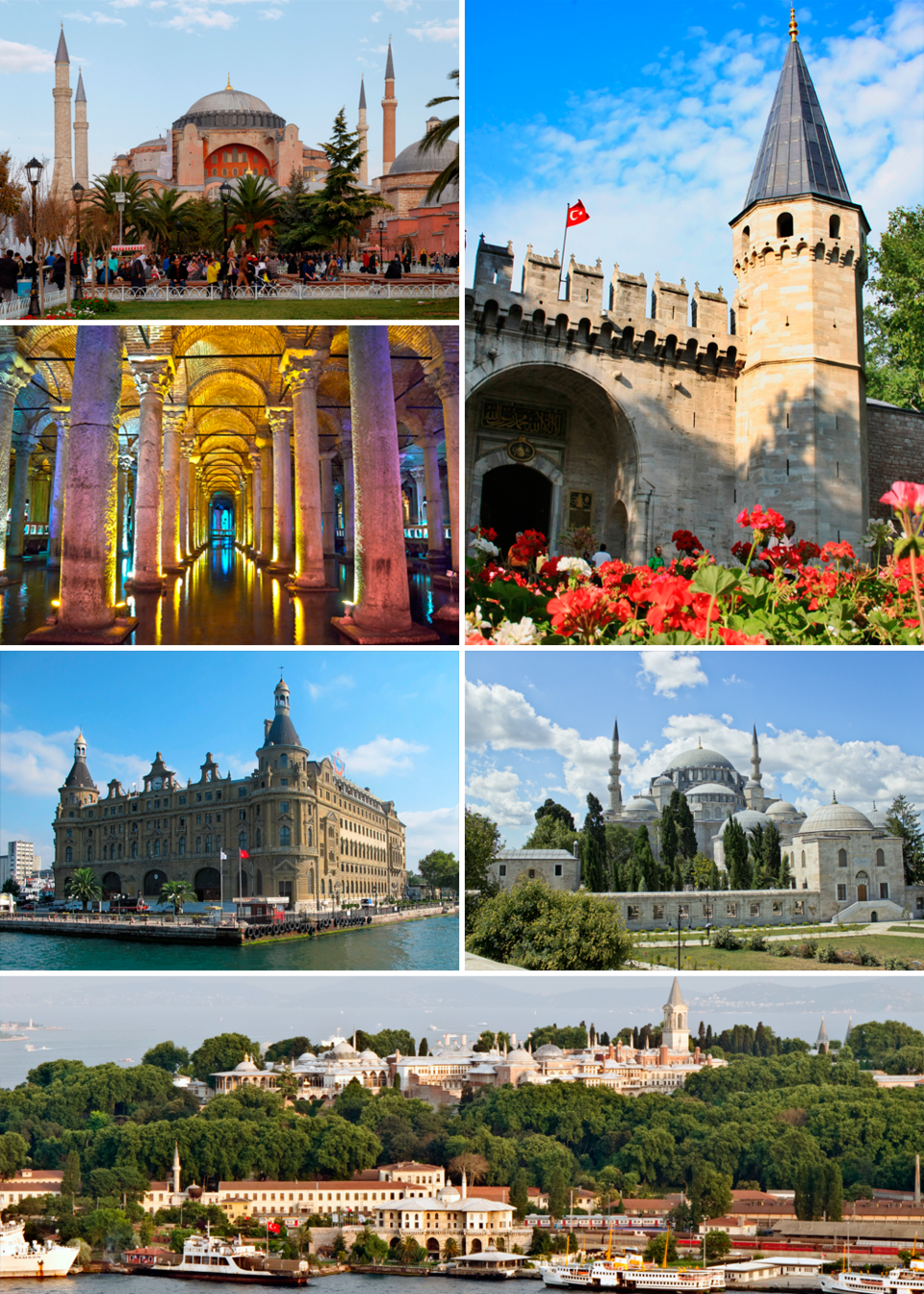
Standing directly between the towering dome of Hagia Sophia and the blue tiled minarets of the Sultan Ahmed Mosque at Ayasofya Square, you find Hürrem Sultan Hamamı. Designed in fifteen fifty six by the master imperial architect Mimar Sinan for Roxelana, the beloved wife of Sultan Suleiman the Magnificent, this structure displays unmatched symmetrical elegance. …