Contents
History & cultureBY TELLBY2 sections · numbered as on the map01 The Architecture of Sovereign Ease
Morning arrives in Rio de Janeiro not as a gentle dawn, but as a deliberate sweep of theatrical light. The Atlantic throws a blinding silver sheen against dark volcanic granite. Along the promenade, the Portuguese stones wind in monochrome waves, cool and polished beneath bare soles. Here, style is not an ornament you put on. It is an instinct you strip down to. Cariocas understand something northern runways constantly forget: true glamour is effortless, sun-bleached, and intensely physical. The city does not invite you to admire it from behind plate glass. It demands your presence on the warm pavement, your pulse tuned to the rhythm of salt air and distant percussion.
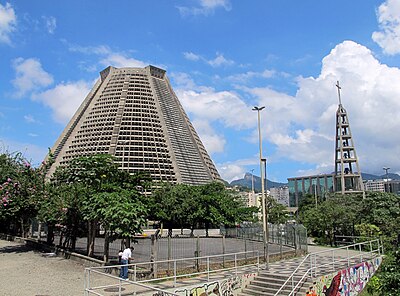
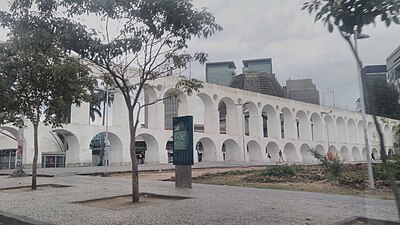
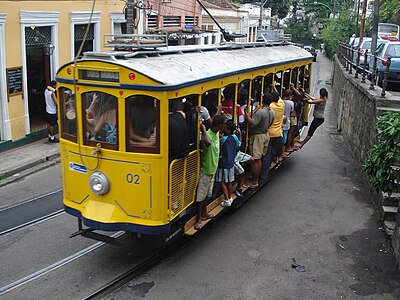
Consider the geometry of this extraordinary coastline. Brutalist modernism and untamed Atlantic forest collide without apology. In the central business district, Monsignor Ivo Antonio Calliari dared to erect a soaring concrete cone that evokes an ancient Mayan pyramid, pierced by four sixty-meter ribbons of stained glass that tint the cavernous interior in ruby and sapphire. Just steps away, the soaring white arches of the eighteenth-century colonial aqueduct bridge the Bohemian pulse of Lapa, carrying the Santa Teresa tram high above the streetcars. The posture of the city is pure composure. Even under the fierce midday sun, there is no frantic hurry, only a calibrated, sensual sway. Rio treats daily existence as an open-air couture presentation staged along the sand, where the dress code is minimalist and the attitude is absolute sovereign grace.
The Obsession of Form
Every iconic silhouette in Rio began with a fiercely personal obsession. Consider Jorge Selaron, the wandering Chilean painter who settled beside a rundown flight of steps between Lapa and Santa Teresa. In nineteen ninety, on a sudden impulse, he began cladding the decaying concrete in fragments of vivid ceramic. His neighbors initially mocked his choice of vivid blue, yellow, and green tiles, the sharp palette of the Brazilian banner. Yet that mockery soon gave way to universal fascination. Selaron sold more than twenty-five thousand portraits of an enigmatic pregnant woman, painting day and night in poverty simply to purchase mirrors and porcelain tiles donated from over sixty countries. He famously declared that his crazy, unique dream would end only on the day of his death. It was art as pure ritual, sustained entirely on passion and pigment.
Further south, along the curving shoreline of Ipanema, culture assumed an even lighter, sun-drenched cadence. In nineteen sixty-two, Antonio Carlos Jobim and Vinicius de Moraes watched a young woman stroll toward the sea and caught the drifting melancholy that gave bossa nova its global passport. Years later, at Posto Nine, the exiled writer Fernando Gabeira stepped onto the sand in an unapologetic purple swimsuit, transforming beachwear into a brazen declaration of personal liberty. Style here is never trivial. It is how this republic of beauty reclaims its freedom.
The Lingering Afternoon
As dusk softens the granite peaks of Dois Irmaos into deep violet shadows, the city pauses for its favorite collective ritual. Out on the weathered rocks of Arpoador, crowds gather not merely to watch the sunset, but to applaud it with rising warmth. It is an ovation for nature itself, executed with easy theatricality and communal joy. You sit with the scent of roasted mate and ocean brine in the air, watching linen shirts catch the evening breeze. You realize that Rio does not belong to static monuments of stone. It belongs to the ephemeral instant where twilight kisses the tide, leaving behind a sharp, delicious longing.
02 Brutalism in Technicolor
Step off the wide pavements of Avenida Republica do Chile and enter a monumental concrete cone that defies every European cathedral trope. Completed in nineteen seventy-nine under Monsignor Ivo Antonio Calliari, this brutalist sanctuary resembles an ancient Mayan pyramid rendered in sculpted slate. Inside, the sheer scale takes your breath away. Look up toward the central ceiling, where four immense sixty-meter vertical bands of stained glass soar directly toward an illuminated cross. …