Contents
History & cultureBY TELLBY2 sections · numbered as on the map01 The Velvet Chill: A Winter Market Promenade
Winter in Dublin begins with a sudden sharpening of the coastal air, a brisk maritime chill sweeping inland from Dublin Bay that immediately invites structured Donegal tweed, tailored wool overcoats, and enveloping cashmere scarves. As twilight descends by mid-afternoon, the Irish capital transforms into an intimate, cinematic theatre of light and shadow. Rain-slicked granite pavements and ancient cobblestones mirror the amber glow of street lanterns, while pale steam rising from copper tea urns and hot spiced cider catches the frosty northern dusk. To stroll Dublin in December is to partake in a cultivated urban ritual where northern European restraint meets an enduring, stubborn street-level warmth. Here, the festive season is never merely an entry on a commercial calendar; it is intimately registered in the tactile weight of heavy fabric, the rhythmic clatter of wooden market barrows, and the musical cadence of local voices cutting through the winter mist.
There is a distinct sartorial and spatial rhythm to a Dublin winter promenade. Unlike grand continental capitals laid out around vast, ceremonial boulevards and symmetrical plazas, Dublin reveals its festive spirit through intimacy, contrast, and layered architectural character. In this city, true luxury resides in authentic atmosphere, dry conversational wit, and historic patina rather than manufactured festive excess. You move seamlessly between sweeping Georgian thoroughfares and dense medieval passageways, soon discovering that the genuine holiday soul of the metropolis thrives within its historic trading quarters. These vibrant market enclaves are living community stages where generations of Dubliners have gathered, bartered, exchanged dry pleasantries, and celebrated, preserving a resilient civic heart that grounds the city's modern cosmopolitan rhythm.
Echoes of Commerce and Song
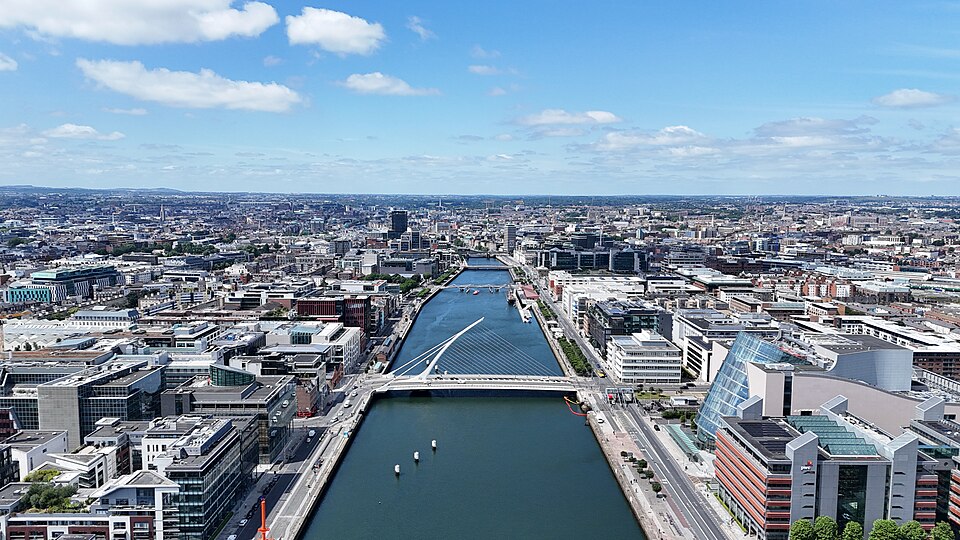
Each urban quarter presents its own distinct social texture and historical silhouette. North of the River Liffey, Moore Street preserves the theatrical, unfiltered energy of an open-air trading post. In the nineteen sixties, the artist and urban documenter Flora Mitchell walked this very corridor, writing that although the street faced constant threats of closure, it remained an irreplaceable riot of colour and noise. Mitchell keenly observed the dignity of the market women whose lyrical street calls formed the genuine pulse of Dublin. Across the river to the south, where medieval Augustinian friars once maintained a sanctuary outside the old city walls, seventeenth-century scholar Sir William Temple reclaimed marshland along the riverbank to fashion his private manor and gardens, ultimately bestowing his aristocratic surname upon the bohemian labyrinth of Temple Bar.
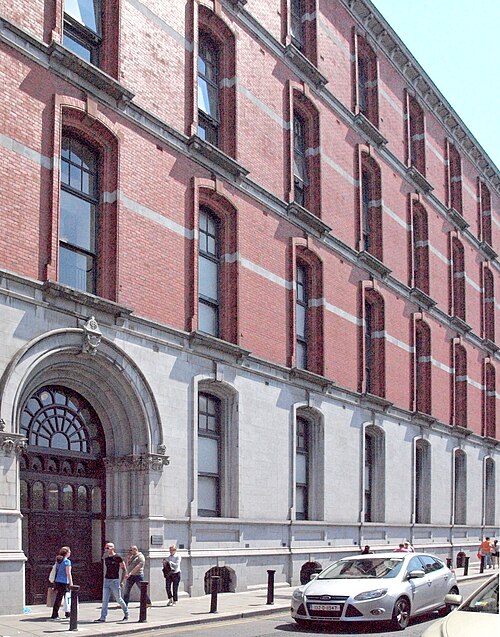
That very river precinct resonated with cultural history when George Frideric Handel unveiled the world premiere of his masterpiece Messiah on neighbouring Fishamble Street in April seventeen forty-two, weaving a rich musical legacy into the quarter. Further south, Victorian civic pride erected South City Markets with striking red brick, only to see the entire hall consumed by flames in August eighteen ninety-two. Yet rather than abandoning the site, market directors engaged architect William Henry Byrne, who employed native Dublin stonemasons and ironworkers to rebuild the majestic arcade into a durable temple of everyday elegance.
The Geography of Winter Charm
Today, this festive market crawl gathers these multifaceted historical threads into an effortless winter itinerary. Following this route is an invitation to experience Dublin as stylish locals do: meandering between crisp outdoor fruit stalls, artisan culinary workshops, and velvet-draped vintage rails before slipping into the golden warmth of an independent tavern. The visual tone of the city in December is understated and rich, composed of deep bottle greens, weathered red brick, and honeyed window glow. As woodsmoke and river mist mingle overhead, Dublin delivers a poetic urban sanctuary that lingers in memory long after you step into the velvet dark.
02 Banter and Barrows on Moore Street
Step onto the paving of Moore Street and breathe in the crisp scent of winter citrus, damp timber, and roasting coffee. This is Dublin's oldest outdoor food market, an unapologetic temple of Northside grit and warmth that has anchored Henry Street for generations. Look past the modern storefronts to find the traditional wooden barrows piled high with clementines, winter cabbage, and seasonal blooms. …