Contents
History & cultureBY TELLBY2 sections · numbered as on the map01 The Architecture of the Infusion: A Dublin Coffee Chronicle
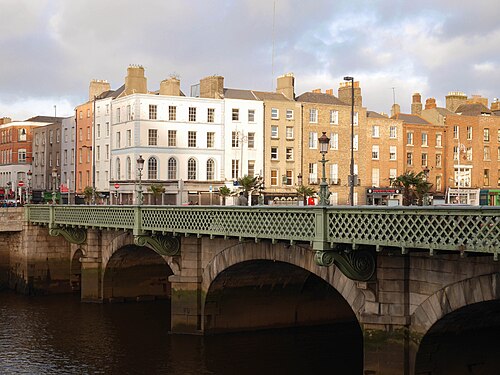
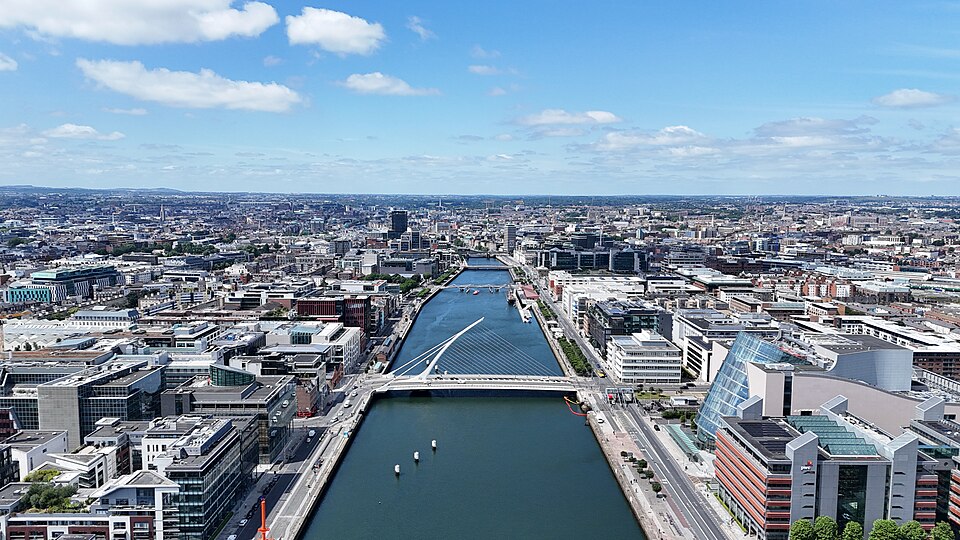
Morning light across Dublin arrives with the deliberate texture of a northern watercolor, filtering through low maritime cloud and glancing off damp dark calp limestone. If you pause upon the historic bridges of the River Liffey at daybreak, the city presents itself not as an anonymous modern capital, but as an assembled archive of civic and intellectual rituals. The fragrant haze of roasted coffee drifting along the granite quays recalls an enduring historical truth: Dublin has long gathered its collective consciousness over steaming infusions. Long before pressurized brass espresso machines took pride of place upon polished counter tops, eighteenth century Dubliners congregated in wood paneled coffeehouses to decipher foreign gazettes, study parliamentary broadsides, and dispute controversial political tracts. These historic rooms were never merely commercial counters for swift sustenance. They functioned as informal civic parliaments and social equalizers, where aristocratic grandees, merchants, scholars, and impoverished pamphleteers conversed beside a common hearth without distinction of rank or station. To walk these streets today with an observant eye is to recognize how contemporary specialty coffee continues this unbroken lineage of urban contemplation, aesthetic refuge, and egalitarian debate.
Maritime Enterprise and Civic Architecture
The institutional history of coffee in this island capital is inextricably bound to global shipping enterprise and architectural ambition. In 1835, Samuel Bewley and his son Charles, members of a prominent Quaker merchant family that had settled in Ireland during the seventeenth century, commissioned an audacious maritime venture. They landed two thousand and ninety-nine chests of premium tea shipped directly from Canton in China into Dublin harbor, breaking the restrictive trade monopolies of the imperial era and establishing a commercial foundation that would eventually embrace fine roasted coffee. By the early twentieth century, the family had created grand public drawing rooms across the city center. When Ernest Bewley opened the flagship Grafton Street café in 1927, he deliberately raised it upon the storied grounds of Whyte's Academy, the renowned grammar school where both the Duke of Wellington, victor of Waterloo, and the tragic republican orator Robert Emmet had received their early education. The premises became a civic museum in its own right, adorned with a rare Egyptian Revival mosaic façade and lit by the extraordinary stained-glass architectural orders designed by Harry Clarke, which Ireland's highest courts have protected as irreplaceable architectural fabric of the nation.
The Republic of Letters at the Hearth
Two centuries before Bewley created his temple of glass and mahogany, early Dublin coffeehouses had pioneered a transformative cultural role as the city's first subscription libraries and print centers. Under the rafters of Dick's Coffee House, the enterprising bookseller and publisher Richard Pue operated an active printing press alongside his steaming kettles, churning out broadsides and binding tracts while patrons read newspapers fresh from the ink. The aroma of printer's ink and roasted beans intermingled in a single communal breath, shaping a public sphere long before the advent of modern mass media. Even James Joyce, living as a restless exile on the Adriatic coast in Trieste, chose Viennese coffeehouses as his literary sanctuary, observing how the Austrian Kapuziner coffee was slowly transforming into modern espresso culture. Today, Dublin's finest specialty coffeehouses carry this noble mantle forward. In compact rooms across the Georgian quarters, down cobbled alleys, and along the Grand Canal docks, contemporary baristas balance meticulous extraction science with quiet hospitality. Each room invites you to sit, examine the surrounding artifacts of urban craft, and participate in an ongoing dialogue between Dublin's past and living present.
02 Subversive Alchemy North of the Liffey
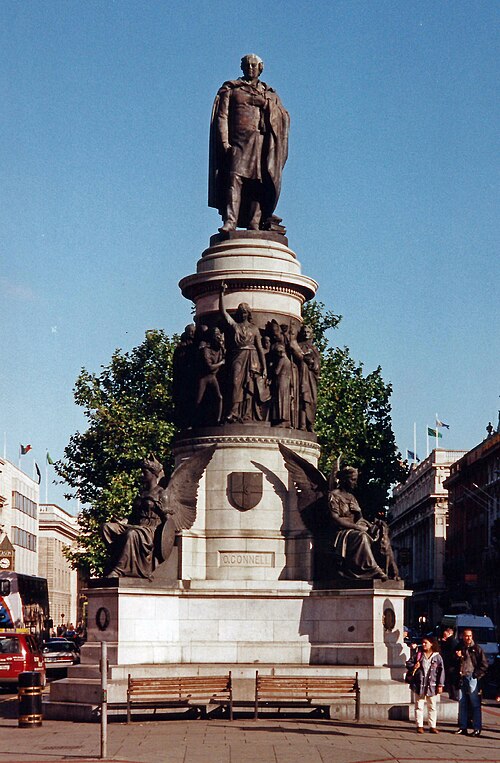
We begin north of the river on Middle Abbey Street, just behind the grand thoroughfare of O'Connell Street. Step into the multi-layered space shared with Wigwam, where Vice Coffee operates as an exacting daytime laboratory. This district once hummed with the noise of nationalist newspaper presses and political debates. Here, coffee is approached not as an automated convenience, but as a craft of precise botanical extraction. …