Contents
History & cultureBY TELLBY2 sections · numbered as on the map01 The Geometry of Hidden Elegance
Morning light settles over Buenos Aires like fine silk, thin, luminous, and cool against the skin. Down Avenida de Mayo, the early air carries a signature fragrance of roasted espresso, damp marble, and crisp autumn leaves. A city is rarely composed in a single key, but Buenos Aires achieves its effortless poise through dramatic contrast. It is a metropolis where grand European avenues meet a restless South American heart, creating a setting that feels simultaneously cinematic and deeply personal. To walk here with deliberate style is to practice the art of slow observation. You do not merely move through this capital; you adjust your stride to its lingering, romantic tempo. The morning ritual begins with shadow and silhouette. The wide thoroughfares stretch toward the river, framing the sky in long corridors of carved limestone and wrought iron balconies. Beyond the polished facades lies a private geography of shaded passages, hidden gardens, and vertical monuments built by visionaries who insisted on dreaming in stone, creating a timeless sanctuary for wanderers seeking aesthetic perfection and soulful urban resonance.
The Sanctuary of Vertical Poetics
Every great urban center possesses a secret spine, an invisible thread of eccentricity that connects its quietest retreats to its most theatrical gestures. In Buenos Aires, that spine is sculpted from equal parts ambition and poetic nostalgia. Consider Luis Barolo, an Italian textile tycoon who arrived on these shores in eighteen ninety. Watching an ancient Europe drift toward social and political turmoil, Barolo resolved to salvage the literary soul of Western civilization by building a skyscraper dedicated to Dante Alighieri. He commissioned the architect Mario Palanti to design Palacio Barolo as a literal manifestation of the Divine Comedy. Standing twenty two stories and exactly one hundred meters tall to mirror Dante's one hundred cantos, the tower divided its space into hell, purgatory, and heaven. The foundations were drafted according to the golden ratio, while the lobby dome radiated into nine vaulted archways representing the circles of the Inferno. At its summit, a brilliant lighthouse beamed across the Rio de la Plata toward Montevideo, meant to guide transatlantic travelers toward a sanctuary of art. It was a staggering exercise in architectural storytelling, born from deep romanticism and uncompromising taste.
Grace Beneath the Iron Arches
A short walk away, another gesture of quiet nobility took place when Avenida de Mayo was cut through the historic center in eighteen eighty eight. As the city began demolishing buildings along the path of the new boulevard, the original Pasaje Roverano faced immediate destruction. Rather than bargaining for maximum profit, the brothers Angel and Pascual Roverano voluntarily ceded one hundred thirty five square meters of their land to the municipal government for free. However, their generosity carried a chic and uncompromising moral condition. They insisted that the city fully compensate every single one of their humble room rental tenants, ensuring those families found comfortable new lodgings before demolition began. Mayor Federico Pinedo honored the brothers with a formal medal of gratitude in eighteen ninety four. Later rebuilt with a French facade and an underground corridor linking directly to the Peru subway station, the passage retained its classic barber shop and timeless charm. This refined harmony between high style and quiet human warmth remains the true luxury of Buenos Aires. As you step out today, let the city unveil its subtle rituals one frame at a time.
02 Where Shadows Frame History
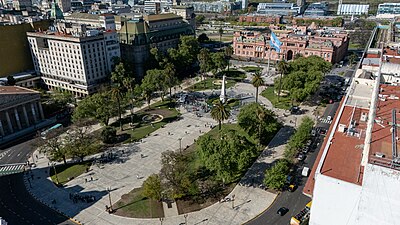
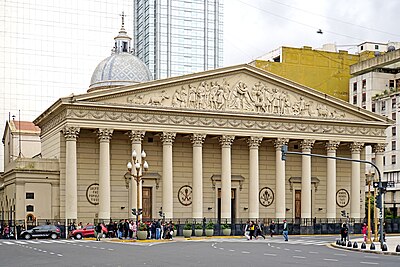
Stand at the center of Plaza de Mayo, where palm trees cast long geometric shadows across the historic paving stones. This iconic square is the political and romantic heartbeat of Buenos Aires, framed by the pale pink facade of the Casa Rosada and the neoclassical columns of the Metropolitan Cathedral. Take a moment to observe the white headscarf emblems painted near the central plaza, commemorating the Mothers of the Plaza de Mayo who marched here with quiet dignity during turbulent decades. …