Contents
History & cultureBY TELLBY2 sections · numbered as on the map01 Golden Hour on the Bosphorus: A Curator’s Passage Through Sunset and Stone
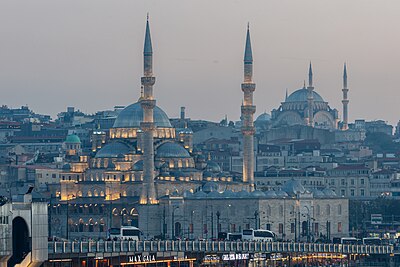
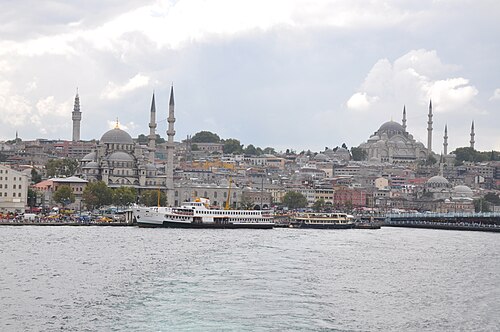
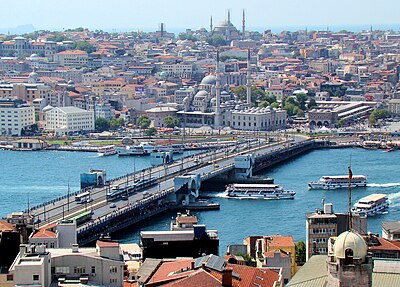
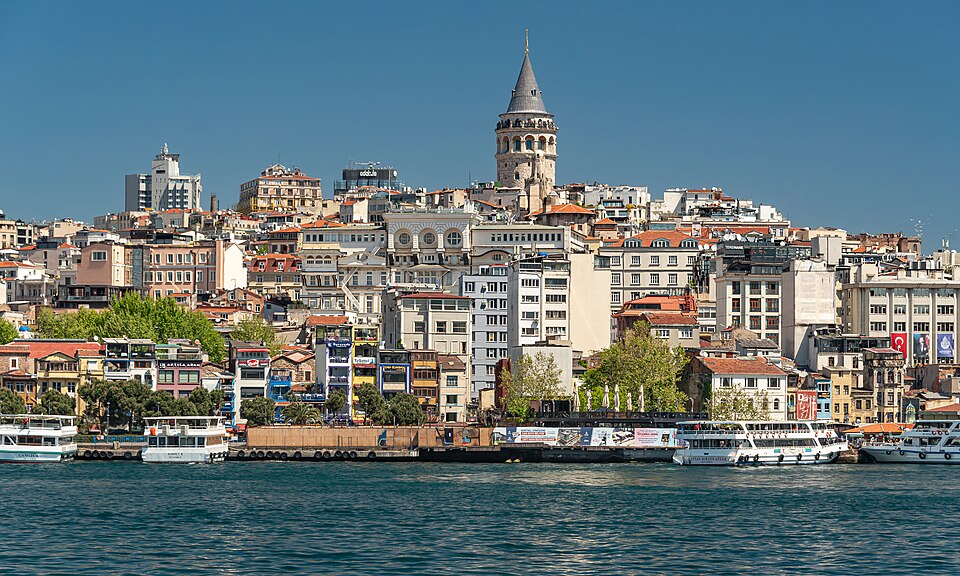
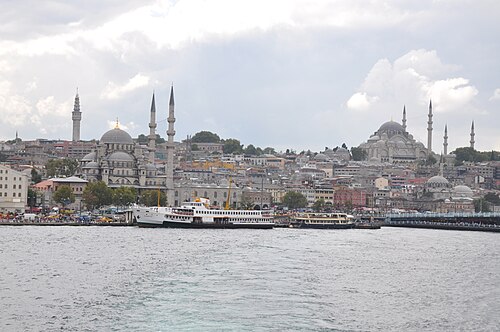
As dusk descends upon the Golden Horn, the waters of Istanbul transform into a sheet of burnished amber. Standing along the harbor apron, one witnesses a timeless rhythm of navigation where ferries crisscross between continents with practiced ease. To observe this city at golden hour is not merely to admire a postcard view, but to engage with a living palimpsest of maritime history. For centuries, these narrow waterways have dictated the fate of empires, serving as both a strategic moat and a bustling thoroughfare for Byzantine galleys, Genoese merchant fleets, and Ottoman imperial caiques. The light at this hour possesses a peculiar clarity, casting long violet shadows against ancient masonry and gilding the sharp silhouettes of minarets that crown the surrounding hills.
The story of Istanbul is inseparable from its relationship with water. The Bosphorus is not a static backdrop, but an active current that shapes urban life, architecture, and memory. Along these shores, stone fortifications and timber landings stand as physical testaments to human ingenuity and geopolitical ambition. As the sun dips lower toward the horizon, the shifting illumination reveals the subtle textures of granite seawalls, weathered brickwork, and hand-carved marble capitals. Listening to the distant echo of ferry horns and the rhythmic slap of waves against timber pilings, a traveler begins to grasp how deeply nautical transport is woven into the cultural identity of this historic metropolis.
The Fortified Ridge and Genoese Legacies
Ascending from the water’s edge toward the heights of Pera, the architectural narrative shifts from maritime commerce to medieval defense. In the fourteenth century, Genoese traders established their autonomous enclave in Galata, fortifying the hilltop with thick stone walls and watchtowers. The grandest among them, originally known as the Tower of the Holy Cross, served as both a citadel and a navigational beacon. When Ottoman forces under Fatih Sultan Mehmed II conquered the city on the twenty-ninth of May in fourteen fifty-three, the Genoese colony surrendered their keys without armed resistance. Recognizing the strategic and structural significance of the tower, Sultan Mehmed II issued an imperial edict specifically halting its destruction, ordering the immediate repair of its damaged upper masonry instead.
This historic tower became a central fixture in early cartography and travel literature. The fifteenth-century Florentine traveler Cristoforo Buondelmonti included detailed illustrations of the landmark in his famous manuscript Liber insularum Archipelagi. His drawings captured the tower during its Genoese period, crowned with a holy cross and flying the banner of Genoa above the straits. Today, those early visual records allow historians to trace the evolution of Istanbul’s skyline as medieval battlements were gradually integrated into the fabric of an Ottoman capital. The tower stands not as a monument to conflict, but as a monument to architectural continuity across centuries of transition.
Civilian Craftsmanship and the Sunset Horizon
Further along the European shoreline, maritime architecture reflects a different era of civic pride and artistic expression. In the early twentieth century, as the empire underwent modernizing reforms, public transit infrastructure was elevated to an art form. Architects like Ali Talat Bey, a pioneer of the First National Architecture Movement, designed ferry landings that combined Ottoman revivalist tilework with neoclassic stone domes. Buildings such as the nineteen thirteen Beşiktaş Pier demonstrate how everyday public transit facilities were conceived with formal elegance, offering commuters a dignified gateway between land and sea.
As evening settles over the Bosphorus, taking in these waterfront structures and elevated vistas invites a deeper contemplation. Istanbul at golden hour is a synthesis of natural geography, civic craftsmanship, and historical memory. Watching the fading light reflect off water and ancient stone reminds us that the city’s true grandeur lies not in static museum cases, but in the enduring harmony of its living monuments.
02 The Golden Horn Boarding Apron
Begin your journey at the bustling Turyol pier along Ragıp Gümüşpala Avenue. As you queue near the wooden boarding gates, glance up at the departure board to confirm the sunset voyage timetable before joining the passenger crowd. Step close to the waterfront railing where private wooden-hulled vessels sway gently against the incoming tide. …