Contents
History & cultureBY TELLBY2 sections · numbered as on the map01 The Morning Tables of Saigon
I still remember the silver light of my very first morning in Saigon. Stepping out into the dawn air, the city felt less like a waking metropolis and more like an enormous open kitchen stirring to life under a canopy of ancient rain trees. A gentle humidity clung to the pavement, carrying the aroma of dark roasted coffee dripping slowly through tin filters, simmering star anise, and the unmistakable, buttery warmth of baguettes pulled fresh from neighborhood ovens. In that quiet hour before millions of motorbikes claimed the asphalt, women in conical hats arranged small towers of cucumbers and bunches of sawtooth coriander on low wooden carts. I found myself drawn down an alleyway, following nothing more than the scent of sizzling shallots and charcoal smoke. In the soft morning glow, the simple act of breaking bread becomes a gesture of pure belonging. Food here has never been a mere pause between destinations. It is the very rhythm by which the city breathes, an intimate language spoken on low plastic stools where strangers sit knee to knee, sharing the silent fellowship of the morning table as the city stirs.
The Geometry of Migration and Flour
To understand the table of this southern metropolis, one must understand how many journeys have converged upon its bowls and baskets. When you taste a crusty roll or a fragrant bowl of broth, you are tasting a geography shaped by displacement, resilience, and reinvention. Following the partition of the country in the nineteen fifties, more than a million northern migrants journeyed south, carrying with them family recipes, regional dialect, and culinary traditions that permanently transformed the local streetscape. Bakers Lê Minh Ngọc and Nguyễn Thị Tịnh arrived during that great wave of migration and opened a humble shop named Hòa Mã in District Three, helping pioneer the habit of stuffing seasoned meats and French liver pâté into a split loaf for workers on the move. Centuries earlier, poet Nguyễn Đình Chiểu had noted the arrival of Western bread in his verses, back when wheat was an exotic import reserved exclusively for the wealthy. It was only when inventive local bakers began blending inexpensive rice flour into the dough during the wartime disruptions of wheat supplies that the baguette became impossibly light, crisp, and truly Vietnamese, accessible to every ordinary person on the street.
Poetry in the Charcoal Smoke
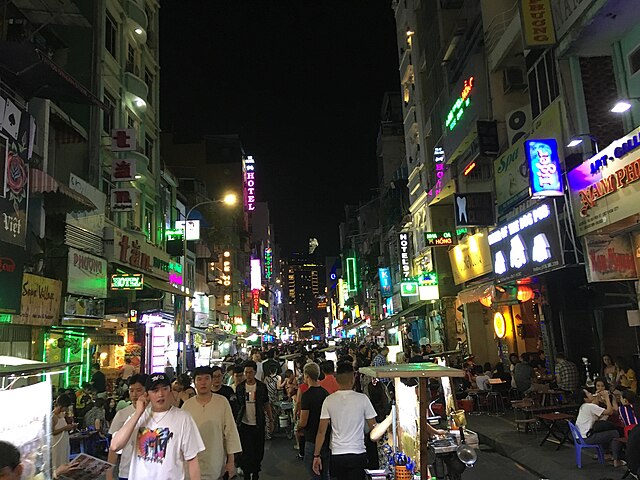
That northern heritage also carried the poetry of the grill. Decades ago in Hanoi, the writer Thạch Lam captured the hypnotic pull of bún chả, recounting how a traveling scholar from the countryside caught the scent of pork fat sizzling over glowing coals and was moved to compose verses on the spot, proclaiming that the charcoal smoke rising like mountain mist could turn any hungry wanderer into a poet. Sitting on the low sidewalks of Ho Chi Minh City today, watching the smoke of grilled pork patties curl into the humid canopy of tamarind trees, that same transformation takes hold of the senses. Food here is an act of communal memory, storytelling, and deep affection. The street stall is both a living archive and a sanctuary of daily life. Every herb torn by hand, every spoonful of amber broth, and every warm crust broken open on a busy street corner reminds you that you are not merely dining in a city. You are taking part in its enduring will to survive, to adapt, and to welcome whoever pulls up a stool into its ongoing story.
02 Breakfast in the Alley of Origins
Slip away from the rushing traffic of Cao Thang street in District Three and turn into the quiet alley where Bánh Mì Hòa Mã has stood since the late nineteen fifties. Find an empty plastic stool nestled against the peeling pastel wall, right beneath the shade of overhanging tropical foliage. The right order here is the classic skillet breakfast, served sizzling hot in a small tin pan loaded with two sunny eggs, fried pork roll, and rich liver pâté. …