Contents
History & cultureBY TELLBY2 sections · numbered as on the map01 Shadows of the Oltrarno: A Curator's Journey Through Hidden Florence
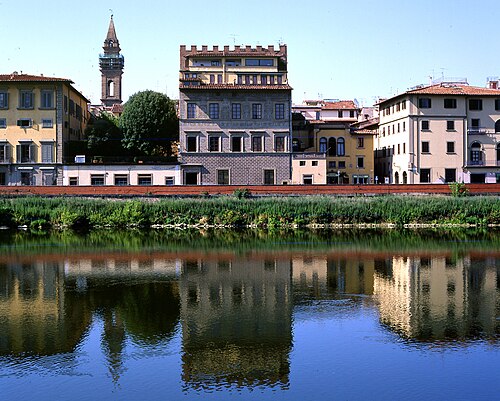
As twilight settles over the river Arno, the golden light of Tuscany retreats from the grand marble facades of Santa Maria del Fiore, drawing the discerning traveler away from the crowded thoroughfares into the quiet stone labyrinth of the Oltrarno. Crossing the river is not merely a geographic transition, but a subtle calibration of temporal perception. Here, in the narrow shadow of medieval towers, rustic craft shops, and secluded squares, Florence reveals its true architectural soul. It is a sanctuary carved from dark pietra serena sandstone, preserved not as a static museum of monumental achievements, but as an intimate, living canvas shaped by centuries of human passion, quiet devotion, and artistic audacity. To understand this city deeply is to listen to the whisper of flagstones beneath your feet, to sense the cool air drifting through secluded cloister arches, and to acknowledge that the Renaissance was born in the quiet corners of neighborhood workshops long before it captured the grand public plazas.
Walking through these stone corridors before arriving at your destination offers a rare perspective on how revolutionary vision took root in daily life. In these hidden neighborhood squares, history feels immediate and tactile. The stone benches outside modest family chapels still hold the memory of sculptors, scholars, and merchants who gathered to debate humanism, philosophy, and civil governance. The city was built layer upon layer, with ancient Etruscan foundations resting beneath Roman streets, medieval guildhalls, and private Renaissance palaces. Every door frame, weathered coats of arms, and low iron lantern tells a story of craftsmanship that refused to compromise on beauty.
The Geometry of Sacred Light
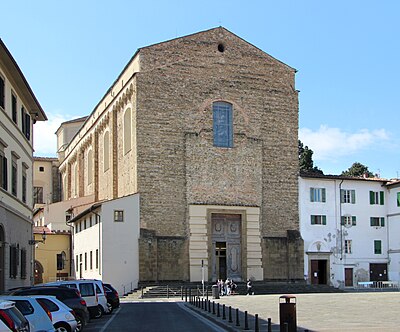
Consider the transformative moment in fourteen twenty-four when two master painters, Masolino and the younger Masaccio, mounted the wooden scaffolding inside the quiet Brancacci Chapel at Santa Maria del Carmine. Commissioned by the wealthy silk merchant and diplomat Felice Brancacci, who would soon be driven into bitter political exile by Cosimo de Medici, they embarked on decorating the chapel walls with scenes from the Life of Saint Peter. Masaccio cast aside medieval decorative conventions, introducing a revolutionary understanding of natural light, spatial depth, and unsparing human emotion.
In his tragic depiction of the Expulsion from Paradise, the anguish of Adam and Eve is rendered with such visceral weight and shadows that it fundamentally altered the course of Western painting. Decades later, during a nineteen thirty-two restoration led by scholar Ugo Procacci, hidden preparatory sinopie drawings were uncovered beneath marble altar slabs, proving that true artistic genius leaves an indelible mark beneath the surface that time, fire, and political ruin cannot erase.
Voices Carved in Stone
Higher up on the windswept ridge of Fiesole, looking back over the entire valley, the spirit of intellectual inquiry took physical flight. It was among those ancient Etruscan slopes that Leonardo da Vinci tested his pioneering flight machine models on Monte Ceceri, daring to master the atmospheric winds over the Arno basin. Nearby, in formal villa gardens overlooking the distant city spires, Giovanni Boccaccio set the frame narrative of The Decameron, imagining ten young Florentines seeking refuge from the black plague of thirteen forty-eight by sharing stories of wit, romance, and human resilience.
As you walk these historic paths today, moving from shaded chapels to hilltop terraces, allow the narrative of the city to unfold naturally around you. Florence does not demand hurried admiration, but thoughtful contemplation. Each archway, quiet garden path, and neighborhood market square invites you to slow your pace, observe the fine details carved into ancient masonry, and appreciate how the past continues to illuminate the living present.
02 The Awakening of Human Shadow
Inside the quiet transept of Santa Maria del Carmine lies the Brancacci Chapel, where Renaissance art cast aside medieval flat symbolism to discover raw human reality. Commissioned around fourteen twenty-four by silk diplomat Felice Brancacci, who was later exiled by Cosimo de Medici, painters Masolino and Masaccio crafted frescoes depicting the Life of Saint Peter. …