The blinding morning glare along Olympic Boulevard has a way of bleaching Southern California into flat asphalt, but step across the threshold of a dedicated tea bar and the outside world falls away into cool, deliberate shadow. Before you on the counter sits a wide glazed ceramic chawan, a bamboo whisk, and a small mound of electric green dust milled so finely it wafts into the air like dry smoke. The barista pours hot water with steady grace, then begins the brisk percussive stroke, the chasen fluttering in tight zigzags until emerald microfoam crests across the surface. Take a breath, and you are greeted by an arresting perfume: sweet steamed kelp, roasted chestnuts, spring rainwater, and the profound savory resonance of umami. We are thousands of miles from the misty riverbanks of Kyoto, yet the culinary devotion unfolding here is intensely disciplined. In modern Los Angeles, ceremonial matcha has outgrown its identity as a casual wellness beverage. In the hands of serious cooks and beverage architects, it has reclaimed its rightful stature as an uncompromising culinary medium where botany, technique, and temperature collide.
The Shogun and the Crawl Door
To understand the hypnotic grip of this whisked liquor, one must examine its origins, which were steeped in ascetic focus rather than idle hospitality. When the Zen monk Eisai returned to Japan from China at the close of the twelfth century, carrying tea seeds that he entrusted to the monk Myōe to cultivate in the mountain soil of Toganoo and the mist-laden valleys of Uji, he treated the bitter green broth as a sacred restorative. In his landmark 1211 treatise, Drinking Tea and Prolonging Life, Eisai hailed tea as the divine secret to vitality, arguing that its savory bitterness fortified the human heart. Three years later, when the young shogun Minamoto no Sanetomo fell desperately ill from an agonizing hangover after days of excessive sake indulgence, Eisai personally whipped a frothing bowl of tea for the warrior ruler, presenting his manuscript at court. The hangover vanished, the shogun was enchanted, and tea was permanently elevated into an aristocratic obsession.
Later, in the sixteenth century, the master Sen no Rikyū codified the ritual into an enduring philosophy of wabi simplicity. The son of a Sakai fishmonger, Rikyū served as tea master to the ruthless hegemon Toyotomi Hideyoshi, designing the famous Taian teahouse with its revolutionary crawl entrance, the nijiriguchi. Through this tiny square opening, even arrogant feudal lords were forced to unbuckle their swords, drop to their hands and knees, and crawl inside. In that cramped, rustic chamber, stripped of vanity and social hierarchy, everything was reduced to the weight of a bamboo ladle, the hiss of boiling water, and the fragile perfection of the green froth.
The California Palate
What makes Los Angeles so thrilling today is the fearless manner in which our neighborhood baristas dialogue with this ancient craft. In sun-drenched storefronts across Koreatown and Little Tokyo, you find artisans sourcing shaded first-harvest tencha from revered cultivars like Asahi and Samidori, yet daring to contrast that concentrated vegetal depth against chilled beds of strawberry puree, salted mascarpone, and dense blankets of house-whipped Vienna cream. Purists might initially question a cold matcha einspanner, but a single sip silences dogma: the unyielding, mineral bitterness of ceremonial tea slices through luxurious dairy fat with the precision of an aged balsamic cutting through rich duck confit.
As you embark on this tasting crawl across the city, listen closely to the room before you drink. Notice the sound of the whisk, the velvet density of the suspended foam, and the lingering, tongue-coating sweetness that blossoms across the palate minutes after the cup is drained. What you are tasting is not simply a trend, but a living ritual refined over nine centuries, poured fresh for a California morning.
Want to walk it yourself? Plan a trip with these places
The walk
On site, play just that chapter
- 1 min · on site
The Flight of Terroirs
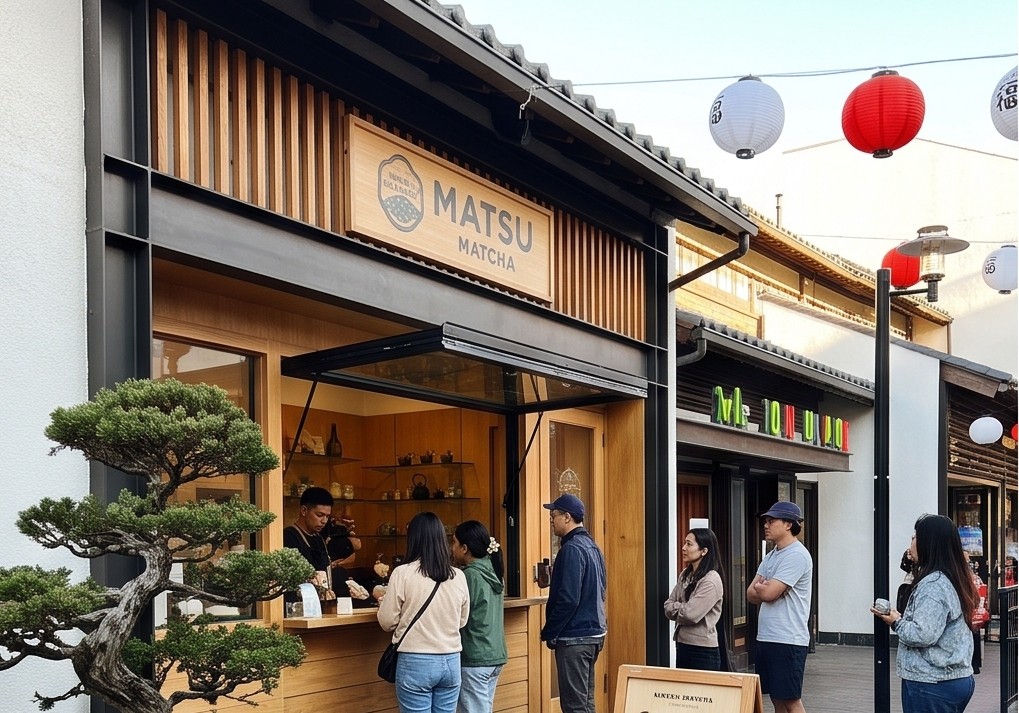
AI-generated image · may differ from the real place Step into the brick courtyard of Japanese Village Plaza Mall, where the aroma of sweet red bean pastries mingles with roasted tea leaves beneath red paper lanterns. Matsu Matcha feels less like a conventional cafe and more like a focused, quiet laboratory of classical Japanese tea craft. Before you order a full beverage, look closely at the counter and request the ceremonial Matcha Flight. Here, three porcelain cups present three distinct grades of whisked tencha side by side. It offers an immediate, revelatory education for the palate: the introductory pour opens with light, grassy notes, while the highest ceremonial grade blooms with a dense, savory brothy richness as thick as melted butter. Take time to spoon a bite of their signature matcha gelato between tastings to cleanse your tongue. Notice how the stone-milled powder never turns gritty on the throat, dissolving instead into pure, lingering vegetal sweetness.
When you are ready, leave Little Tokyo and travel west toward the historic boulevards of Koreatown, where our next morning sanctuary awaits along West Sixth Street.
- 1 min · on site
The Quiet Morning Vienna
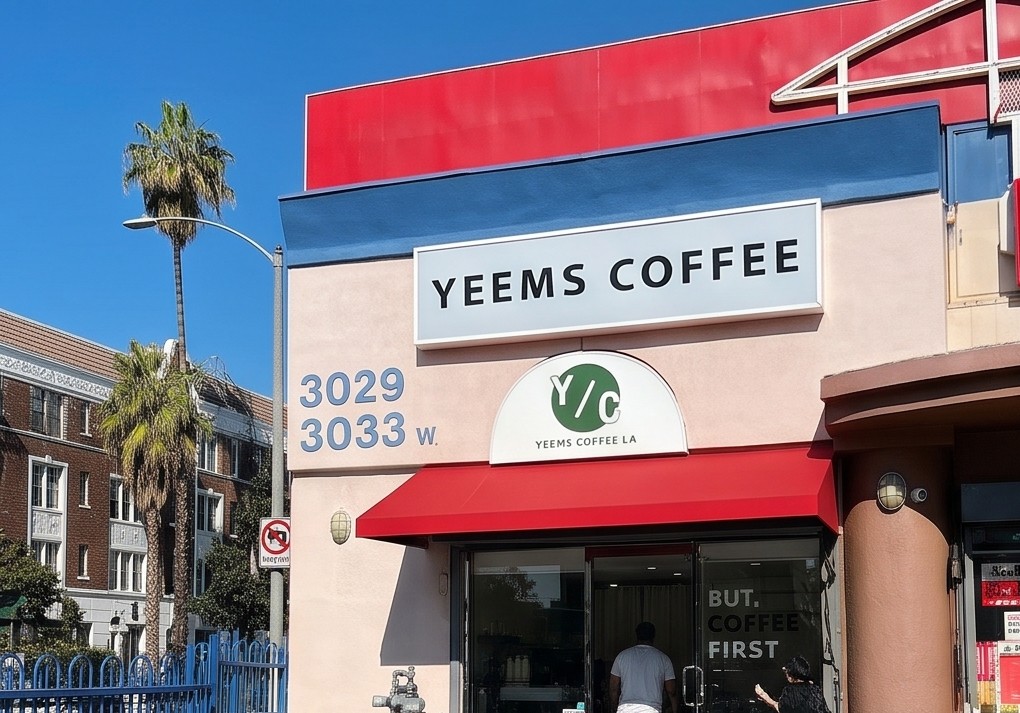
AI-generated image · may differ from the real place Tucked into an unassuming stretch of West Sixth Street, Yeems Coffee offers a tranquil culinary refuge if you arrive early in the morning when golden sunlight streams across the minimalist wood tables. While the city stirs outside, step directly to the counter and order their celebrated Vienna Matcha. The visual craft is striking: an opaque lake of deep forest green topped with a heavy crown of house-whipped vanilla cream that slowly cascades downward like mountain fog. Resist the temptation to use a straw. Lift the glass directly to your lips so the cold, velvety dairy meets the warm, tannic green tea simultaneously in your mouth. The textural contrast is thrilling. The rich, chilled cream gently softens the astringent bite of the tencha without muting its grassy soul, creating a sophisticated harmony that lingers long after each contemplative swallow.
Step back outside into the morning air and walk two short blocks south down Catalina Street toward West Eighth Street for an even more decadent interpretation.
- 1 min · on site
The Double Emerald Crown
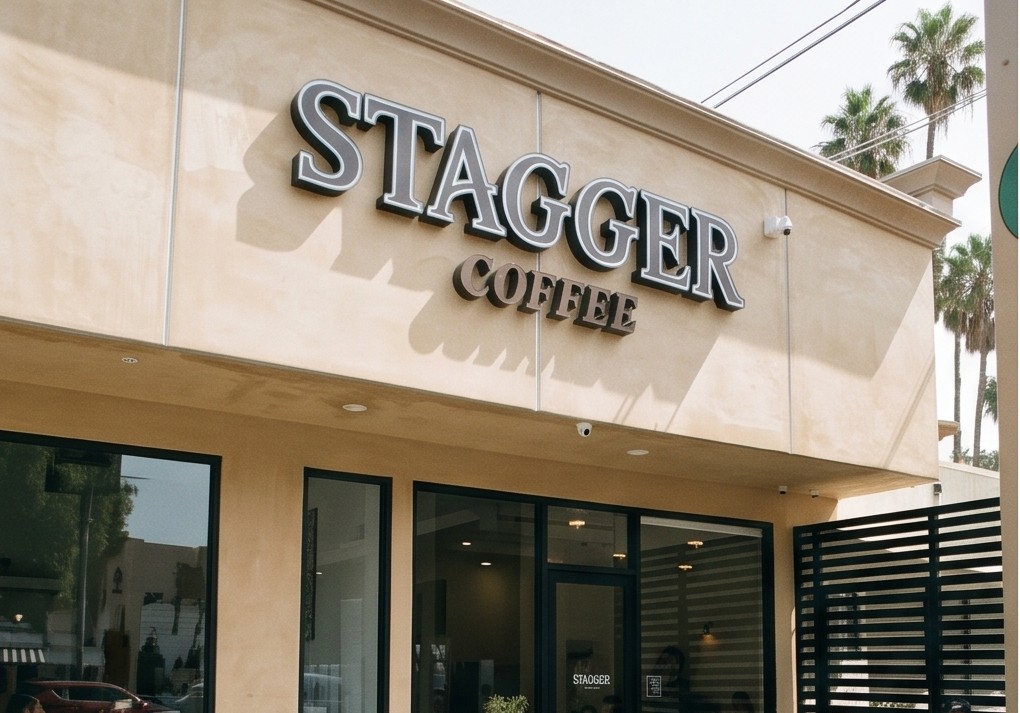
AI-generated image · may differ from the real place Situated along bustling West Eighth Street, STAGGER COFFEE is the neighborhood insider destination best experienced on a weekday morning, allowing you to easily bypass the enthusiastic weekend crowds. The interior is kinetic and welcoming, and the drink that demands your full attention is their signature Double Matcha with matcha cream top. Watch the barista briskly whisk the concentrated ceremonial base in a wide earthen vessel before pouring it over chilled milk. What distinguishes this creation is its opulent second layer: a thick, cloud-like cream infused with additional green tea powder, crowned with a vibrant dusting of emerald tencha. The first sip delivers the decadent luxury of a dessert, but as the intensely vegetal brew surges through, your palate registers profound savory depth. It is unapologetic, bold, and brilliantly calibrated for serious tea lovers.
Continue southward across the neighborhood grid toward Olympic Boulevard, taking your time to secure street parking along the lively commercial avenue.
- 1 min · on site
The Coconut Fat Matrix
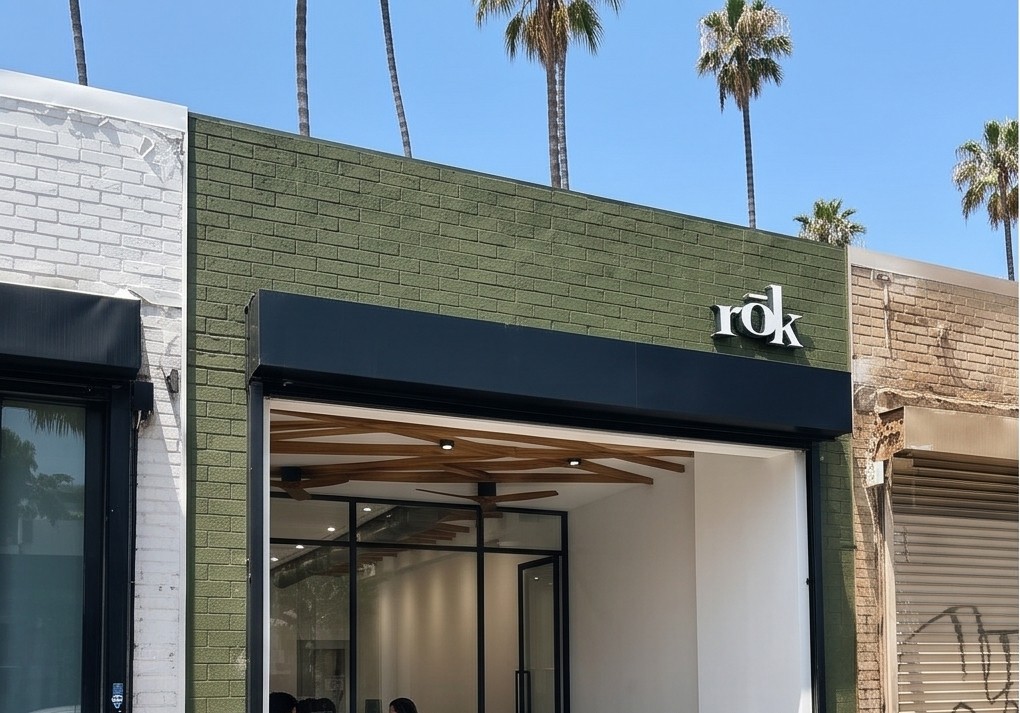
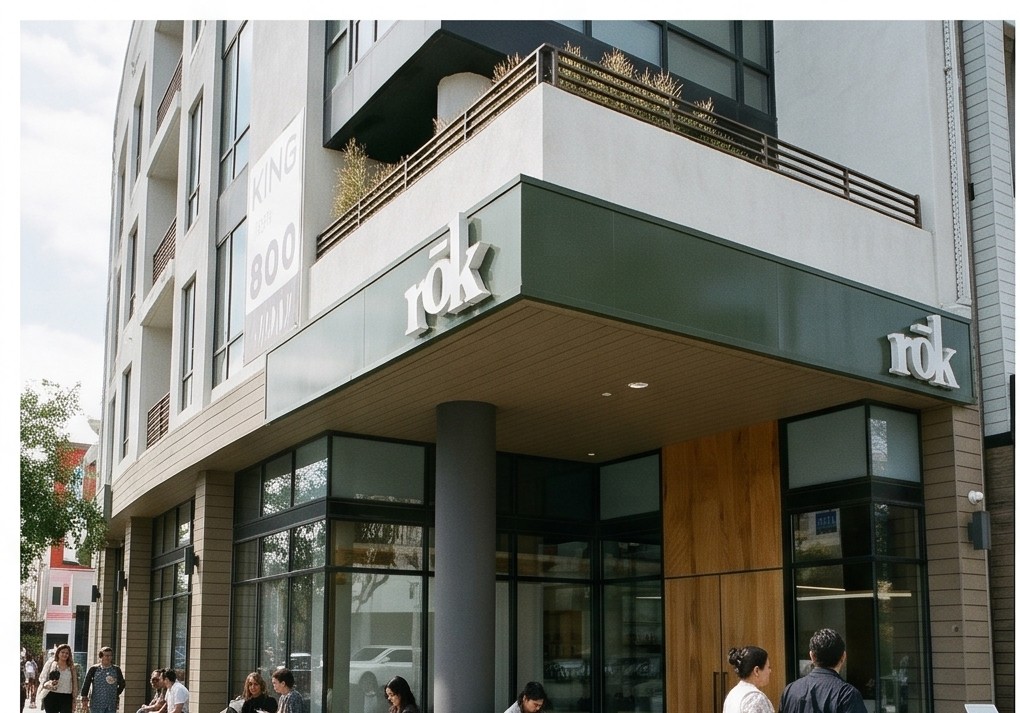
AI-generated image · may differ from the real place Set along the wide sweep of West Olympic Boulevard, rōk coffee and tea is a sleek sanctuary where street parking can demand extra patience, making your eventual arrival all the sweeter. Inside, the design is monastic and serene, allowing the drinks to command center stage. While their Matcha Duo offers an elegant side-by-side study, the true revelation is the Coconut Matcha Einspanner. Coconut cream can easily overwhelm delicate ingredients, but here the kitchen balances proportions with surgical precision. The cool, nutty fat of the coconut provides an opulent cushion that tames the sharp, iron-rich tannins of the ceremonial harvest. What remains on your palate is a silky, tropical undercurrent framing an unmistakable core of shaded Uji green. It is an assertive, highly original creation that redefines modern tea mixology with every textured sip.
Now walk west along Eighth Street toward Normandie Avenue, where a serene tea house takes its evocative name from the ancient patriarch of Zen.
- 1 min · on site
The Patriarch's Salted Foam
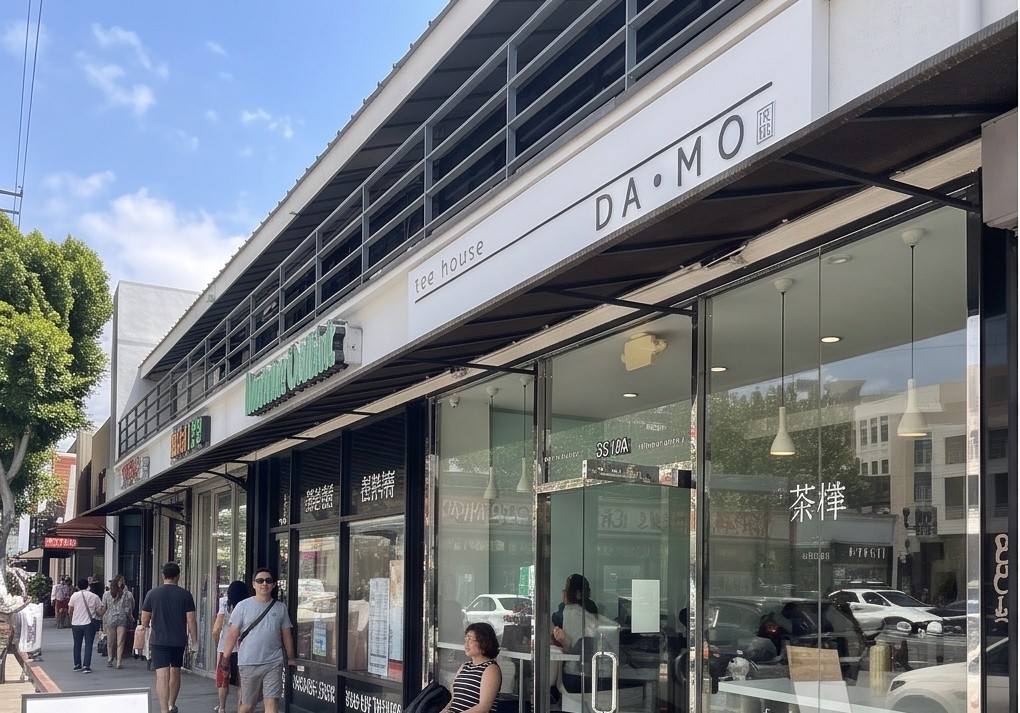
AI-generated image · may differ from the real place Arrive early at DAMO along West Eighth Street, because indoor seating in this jewel-box space is extremely limited and fills within minutes of opening. The name itself pays quiet homage to Bodhidharma, the legendary monk known as Damo in China, who founded Zen Buddhism and carried tea into monastic ritual. Here, order the iconic Matcha Einspanner or the vibrant Strawberry Matcha. Watching the barista construct the einspanner is hypnotic: a dense emerald layer of ceremonial tea settles in suspension above cold milk, capped by a velvety, lightly salted cream. The salted cream acts as a brilliant flavor amplifier, cutting through the vegetal density and illuminating the natural sweet umami hidden within the shaded leaf. It is pure culinary poetry, profoundly disciplined, richly balanced, and extraordinarily satisfying to all the senses.
Conclude your journey by strolling two blocks north to the grand thoroughfare of Wilshire Boulevard, where a lofty art deco tower houses our final destination.
- 1 min · on site
The Sparkling Yuzu Finale
AI-generated image · may differ from the real place Tucked inside suite 123 of 3435 Wilshire Boulevard, this refined sister location serves as an invaluable retreat whenever the Olympic Boulevard shop has a winding line. The urban setting beneath mid-century concrete gives the cafe an airy, sophisticated pulse that invites unhurried contemplation. Step inside and order the Sparkling Yuzu Matcha. Unlike the rich, cream-laden creations you have savored throughout the morning, this drink explores the bright, acoustic clarity of shaded Japanese green tea. The barista whisks concentrated ceremonial tencha and pours it over chilled artisan tonic water infused with tart Japanese yuzu. Carbonation lifts the fragrant citrus oils, which immediately intersect with the grassy, shaded umami of the tea. Each effervescent sip is crisp, bracing, and intensely cleansing, sweeping away all lingering dairy to leave your palate refreshed, vibrant, and extraordinarily awake.
As the afternoon warmth settles over the Los Angeles basin, the taste that remains on your tongue is neither the lingering sweetness of vanilla cream nor the tart sparkle of yuzu, but the unmistakable, quiet hum of shaded green tea. Over nine centuries, this powdered leaf has traveled from monastic mountain retreats to medieval samurai courts, and finally onto the vibrant boulevards of Southern California. Here, baristas have not diluted its soul; they have given it a daring new vocabulary. When you step back into the city, carry that quiet discipline with you, savoring the persistent savory sweetness that only true craft can impart.
Take it further
Open the tour in the appThe tour in the app
The Ceremonial Matcha Walking CrawlThis curated culinary crawl guides you through six premier tea sanctuaries across Little Tokyo and Koreatown. Experience pure ceremonial tasting flights, innovative Vienna cream caps, and effervescent sparkling yuzu infusions, discovering how ancient Japanese tea ceremony aesthetics have been brilliantly transformed on the vibrant boulevards of Los Angeles.
+ Add the tour to your planIf you have the app the tour opens right away; otherwise you go to the store.FAQ
- What makes ceremonial grade matcha different from culinary grade powder?
- Ceremonial matcha is produced exclusively from shaded first-harvest young tea leaves that are carefully destemmed, deveined, and stone-milled into an ultra-fine powder, yielding high theanine amino acids, delicate natural umami, and zero harsh bitterness.
- Why is sipping through a cream cap preferred over using a straw for an einspanner?
- Drinking directly from the rim allows the dense, chilled dairy fat and the warm, tannic green tea to hit your palate simultaneously, creating a deliberate textural and temperature contrast that a straw completely bypasses.
- What is the best way to pace this tasting crawl?
- Begin in the morning in Little Tokyo to calibrate your palate with a pure ceremonial flight, then move into Koreatown on weekday mornings to enjoy the richer cream-topped creations without long waits.
This piece was newly written based on the Wikipedia articles ‘Tea culture in Japan’, ‘Damo’ · CC BY-SA 4.0