An early morning stroll through the historic quarters of Istanbul begins not with the ears, but with the rich perfume of freshly roasted Arabica coffee beans, warm buttered phyllo dough, and toasted golden sesame seeds filling the crisp sea air. Before the city fully awakens, master bakers press paper-thin sheets of dough onto heated marble slabs, while veteran spice merchants carefully unseal weathered wooden crates filled with wild sumac, crushed dried chilies, and aromatic rose petals. As a food critic, I have always believed that market halls reveal the authentic culinary soul of any great metropolis. Shopping in Istanbul is never merely a passive exchange of currency for manufactured goods. It is an immersive, multi-layered sensory performance where every daily interaction is seasoned with genuine Turkish hospitality, centuries of regional trade tradition, and an unyielding commitment to texture, aroma, and culinary technique.
The Craft of the Market Counter
Step past the soaring stone gateways of the ancient bazaars and you enter a living sanctuary shaped by generations of culinary devotion. Long before multi-story shopping complexes redefined the skyline of the city, Ottoman rulers and observant European chroniclers recognized that commerce in Istanbul was fundamentally rooted in human warmth and conversational exchange. During the mid nineteenth century, the French writer Théophile Gautier and the Italian author Edmondo De Amicis recorded the hypnotic atmosphere of the Grand Bazaar, capturing how shopkeepers seated on carved walnut divans offered fragrant black tea in tulip-shaped glasses and sweet fruit preserves before unrolling their finest woven fabrics and exotic spices. To shop in this city was to partake in a slow, civilized ritual of hospitality.
Indeed, the appetite of Istanbul has always bridged imperial court luxury with humble street craft. In 1867, when Sultan Abdülaziz returned triumphantly from Egypt, the Grand Bazaar held the only official night opening in its long history, turning its vaulted stone corridors into a brilliant illuminated banquet hall as the sovereign rode through cheering crowds on horseback. Decades earlier, Sultan Mahmud II was famous for slipping away from his grand palace in discreet civilian clothing, walking quietly to a modest two-story kiosk at the corner of Halıcılar Caddesi just to savor a bowl of tavuk göğsü, the traditional milk pudding prepared with finely shredded chicken breast. For the sultan, as for any true culinary enthusiast, perfection resided not in grand courtly titles, but in the silky elasticity of the milk pudding and the subtle kiss of cinnamon on the tongue.
Linger in the Vapor of Spices
Today, as you travel between romantic historical passages and sleek contemporary food galleries, that same commitment to gastronomic excellence remains vibrant across every neighborhood. The modern market halls and boutique food halls of Istanbul do not merely present luxury merchandise and artisanal delicacies; they preserve living traditions of regional taste and culinary craftsmanship. Whether you are observing a veteran merchant hand-carve aged sheep cheese in a shaded arcade, examining hand-woven textiles, or sampling extra virgin olive oil pressed from Aegean groves in a pristine contemporary center, the true reward of shopping here lies in appreciating the dedication of the artisans behind the counter. Allow your appetite to lead your steps through these bustling aisles, where every kitchen has a story and every recipe carries the memory of an empire. Take a moment to savor the anticipation before reaching your destination, and let the rich culinary heritage of Istanbul welcome you.
Want to walk it yourself? Plan a trip with these places
The walk
On site, play just that chapter
- 1 min · on site
Arcades of Flower Passages and Meze
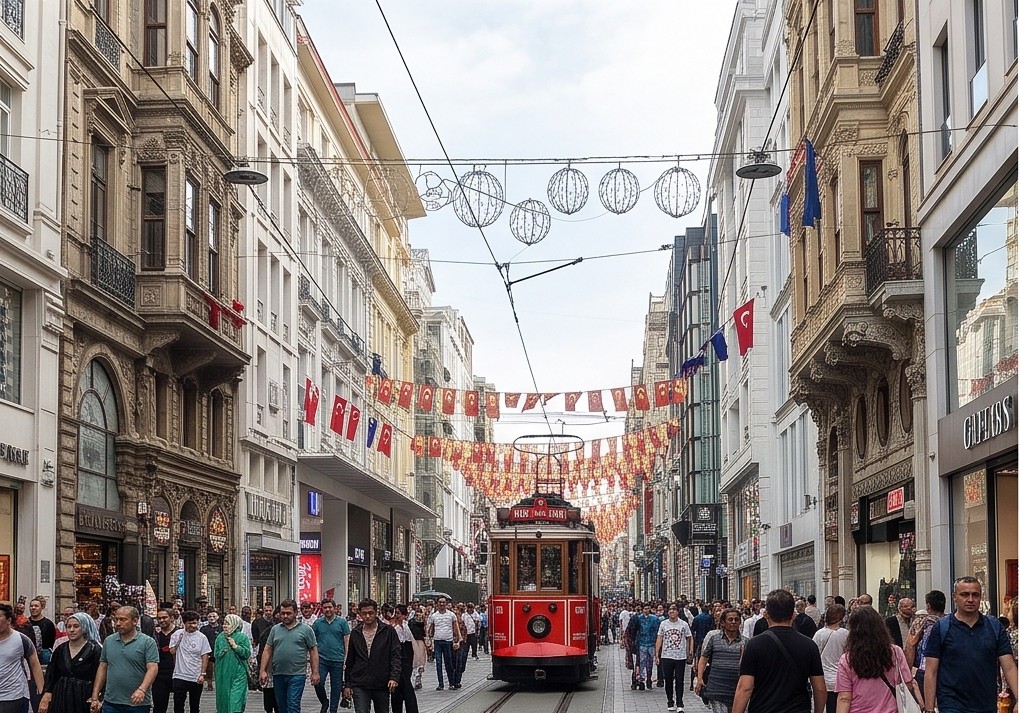
AI-generated image · may differ from the real place Emerging onto İstiklal Caddesi, you stand on the grand pedestrian boulevard historically known as the Grand Rue de Pera. Red nostalgic trams glide softly along the tracks, echoing a century of urban glamour. Near the southern entrance by Tünel, notice the serene compound of Galata Mevlevihanesi, established in 1491 under İskender Paşa and Sultan Bayezid II. As you stroll past elegant nineteenth century facades, resist remaining only on the main avenue. Instead, turn into historic side passages such as Çiçek Pasajı, the Flower Passage, where grand tilework frames cozy taverns and artisanal food stalls. Look for the counter craftsmen preparing crispy simit bread, fried mussels on skewers, and aged white cheese served with melon. Order a small plate of warm, pan-fried meze at a marble counter, listening to the clink of glasses and the rhythmic chatter of local diners. The true charm of İstiklal lies inside these sheltered arcades, away from the main rush.
Board the metro from Taksim or Gayrettepe and travel north along Büyükdere Avenue to reach the soaring glass atriums of İstanbul Cevahir.
- 1 min · on site
Modern Grandeur and Turkish Sweets
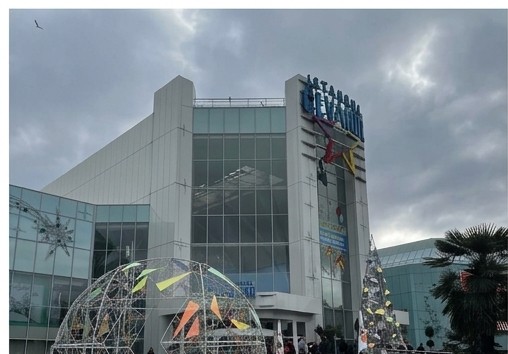
AI-generated image · may differ from the real place Arriving on Büyükdere Avenue in Şişli, you enter İstanbul Cevahir, a monumental glass-vaulted complex that once stood as the largest shopping mall in Europe. Originally designed by the famed architect Minori Yamasaki and finished by Can Yavuzarslan, the building rises beneath a dramatic glass roof featuring one of the world's largest clocks. To experience its culinary and fashion offerings without fatigue, take the central escalators directly to the top floor and work your way down level by level. On the expansive upper dining floors, look beyond standard international chains toward traditional Turkish food vendors serving slow-cooked clay pot stews and fresh börek pastry. Order a cup of thick Turkish coffee accompanied by mastic-infused turkish delight, and step to the interior balcony to admire the vast steel and glass architecture. Observing shoppers bustling below while sampling artisan sweets gives a fascinating look into the energetic lifestyle of modern Istanbul.
Continue slightly further north along Büyükdere Avenue toward the Zincirlikuyu transfer hub to enter the open-air avenues of Zorlu Center.
- 1 min · on site
High Fashion and Chef-Driven Dining
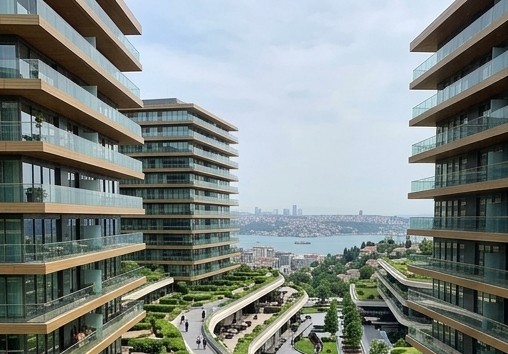
AI-generated image · may differ from the real place Positioned at the intersection of Barbaros Boulevard and Büyükdere Avenue in Beşiktaş, Zorlu Center represents the pinnacle of contemporary Istanbul luxury. Designed by Emre Arolat and Tabanlıoğlu Architects around a sunken garden square, this open complex merges luxury boutiques with world-class dining and the massive Zorlu Performing Arts Center. Before arriving, check the show schedule at Zorlu PSM so you can pair an evening concert with an exquisite dinner. Explore the vast floor of Beymen for fashion, then seek out the Atelier Rebul boutique, founded by Istanbul's historic Rebul pharmacy, to sample scented soaps and botanical scents. For dining, head toward the terrace food court to discover Eataly or Morini, managed under acclaimed chef Michael White. Order a dish of hand-rolled tagliolini with roasted mushrooms or delicate Mediterranean sea bass, observing how precision technique elevates fresh regional ingredients. The atmosphere here pairs fine gastronomy with high fashion in seamless harmony.
Conclude your gourmet journey by heading northwest into the quiet tree-lined avenues of Etiler toward Akmerkez.
- 1 min · on site
Neighborhood Rituals and Artisanal Coffee
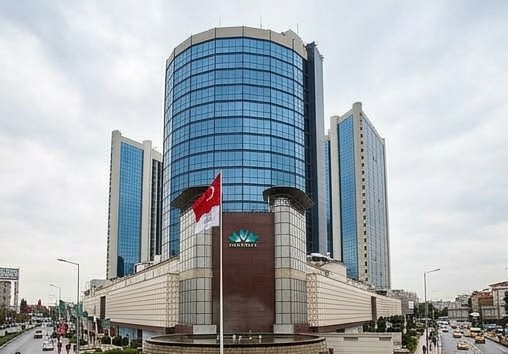
AI-generated image · may differ from the real place Nestled in the upscale residential quarter of Etiler, Akmerkez stands as one of Istanbul's iconic retail pioneers. Established in the early nineties, this refined three-atrium complex maintains a relaxed, intimate ambience favored by neighborhood connoisseurs. To maximize your visit, combine your shopping with a leisurely stroll through the leafy surrounding avenues of Etiler, where independent cafes and designer showrooms line the sidewalks. Inside the mall, wander past the curated fashion boutiques and art exhibition spaces set within the sunlit central light courts. Stop at one of the artisanal espresso bars or high-end Turkish confectioners on the main level. Order a slice of warm pistachow-topped baklava alongside a rich macchiato, taking time to appreciate how the crispy buttered layers of dough melt effortlessly on the tongue. Here, shopping feels less like a hasty task and more like a lingering afternoon ritual enjoyed among discerning locals.
As night settles over the Bosphorus, the rhythm of Istanbul's markets transforms from the clatter of morning copper to the soft murmur of evening dining. Shopping here is never merely about acquiring objects; it is a culinary and sensory dialogue that connects the traveler directly to the heart of Turkish culture. Whether enjoying a royal pudding under Ottoman domes or savoring hand-crafted pasta in a contemporary pavilion, take these flavors with you as lasting memories of a city that honors its past while continually reinventing its present.
Take it further
Open the tour in the appThe tour in the app
Istanbul Culinary Shopping PromenadeEmbark on a curated culinary shopping tour from the historical arcades of the Grand Bazaar to the refined modern food halls of Etiler. Walk along İstiklal Caddesi, admire the glass architecture of Cevahir, explore luxury dining at Zorlu Center, and conclude with artisanal coffee at Akmerkez for a complete taste of Istanbul.
+ Add the tour to your planIf you have the app the tour opens right away; otherwise you go to the store.FAQ
- What makes food and shopping uniquely connected in Istanbul?
- In Istanbul, markets have historically functioned as social centers where hospitality takes center stage. Merchants traditionally offer hot tea and regional sweets before opening their displays, making culinary tasting an integral part of every shopping experience.
- How should a visitor navigate both historic bazaars and modern malls in one trip?
- Start early in the historic bazaars of Fatih and Beyoğlu to experience artisanal food craft and traditional architecture, then travel north along Büyükdere Avenue to explore contemporary culinary halls and luxury fashion centers.