Before the equatorial sun manages to pierce the heavy coastal mist that locals call garua, Lima awakens with an acoustic and aromatic intensity unlike any other South American capital. The air hanging over the Pacific cliffs carries a dense briny chill, mingled with the sharp pungency of bruised coriander, crushed yellow chilies, and the sweet starch of boiling Andean tubers. To understand this city from a critical culinary perspective, one must firmly resist the predictable allure of gleaming dining rooms situated along the manicured seaside esplanades. A city's true gastronomic syntax is never composed in silence or under flattering crystal chandeliers. It is hammered out in the friction of working neighborhoods, upon scarred cutting boards, and over roaring burners where heat, smoke, and acid wage a relentless war against mediocrity.
Cooking here has always been an art of defiant adaptation. Lima sits on an arid coastal strip wedged between an icy, turbulent sea and unforgiving barren foothills. Nothing grows easily without ingenuity. For centuries, every wave of newcomers, from colonial Spaniards and African slaves to indigenous Andean migrants and Cantonese laborers, had to reinvent their palates using whatever ingredients the desert soil and cold Humboldt Current yielded. What emerged is a culinary landscape defined not by passive tradition, but by rigorous technique and an obsessive dialogue with preservation, fermentation, and the transformative power of raw acid.
The Miracles of the Ancient Grove
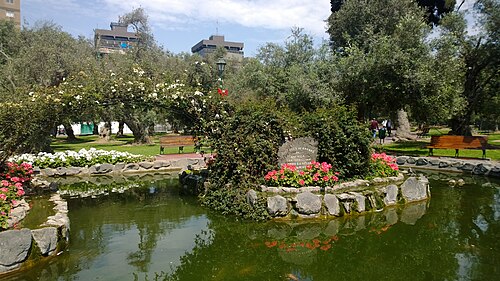
Consider the olive grove of San Isidro, where several centuries of botanical memory stand preserved amid corporate glass towers. In fifteen sixty, during the Viceroyalty of Peru, Antonio de Rivera sailed from Seville carrying dozens of young olive saplings across the Atlantic. Only three withered plants survived the punishing voyage to be buried in the dry soil of Limatambo. A century later, the humble Dominican friar San Martin de Porres walked through those very rows. During the ecclesiastical hearings for his beatification between sixteen sixty and sixteen sixty four, his companion Juan Vazquez Parra testified under oath that he helped the saint plant seven hundred olive cuttings, and by the third morning every dry branch had miraculously burst into fresh green foliage. In twenty sixteen, modern researchers verified an ancient olive tree dating to sixteen forty three that confirmed this seventeenth century testimony. That living monument still produces fruit today. To taste a Peruvian olive from this soil is to taste a concentrated, velvety bitterness cured through centuries of patient human craft.
Fire and Memory in the Alleys
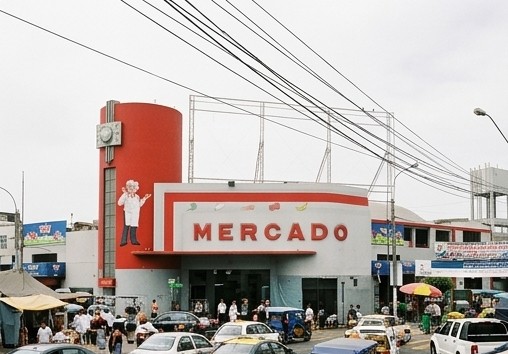
A few miles away, near the border of Miraflores, the rough working district of Surquillo preserves a far more defiant energy. Originally part of rural farmland transferred in fifteen thirty four by Francisco Pizarro to the Convent of Our Lady of La Merced, it eventually became a dense quarter of tight parcels and courageous migrants. During the War of the Pacific, when Chilean forces advanced upon Reducto Number Five, three hundred reserve soldiers fought heroically. Faced with overwhelming numbers, a brave Peruvian soldier named Manuel Castaneda chose to detonate the entire redoubt himself, destroying the fortification to keep its vast ammunition cache out of enemy hands. That same uncompromising spirit lives on inside Mercado Surquillo, where market cooks slice raw bonito with surgical sharpness, tossing it with freshly squeezed limes in seconds to prevent the acid from brutalizing the fish's tender muscle.
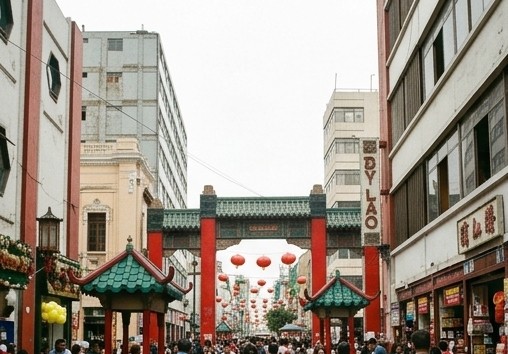
Further north in the historic center, on Calle Capon, where colonial authorities once maintained a market for castrated pigs, Cantonese immigrants in the nineteenth century built benevolent societies, newspaper offices, and the first chifas. They refused to assimilate into culinary blandness, using fiery cast iron woks to marry ginger and scallions to native Peruvian ajis. Walking these streets is not a passive sightseeing exercise. It is a sensory expedition into a metropolis that cooks from the depths of its wounds, transforming memory into unforgettable flavor.
Want to walk it yourself? Plan a trip with these places
The walk
On site, play just that chapter
- 1 min · on site
The Razor Blade and the Lime: Dawn in Surquillo
AI-generated image · may differ from the real place Step through the bustling entrance along Paseo de la Republica and let your senses adjust to the raw cadence of Mercado Surquillo. Unlike the manicured supermarkets of upscale suburbs, this hall hums with the primal energy of coastal trade. Make your way past fragrant pyramids of cherimoya and lucuma toward the central seafood stalls where the morning catch gleams on crushed ice. Watch the cevichero work. His knife technique is immaculate: firm, diagonal incisions across fresh bonito flesh, releasing cold sea brine without bruising the muscle fibers. Notice the seasoning sequence: a swift pinch of coarse sea salt, thinly sliced red onion rinsed in iced water, and freshly squeezed key lime juice applied only seconds before serving. This is classical Lima ceviche, where citrus acidity is never used to pickle the fish into chalky submission, but to electrify its natural gelatinous firmness. Take a seat at the counter with a plate of ceviche clasico, sweet potato, and giant choclo corn. Every bite delivers a sharp, oceanic revelation.
Wipe the bright lime juice from your lips and walk northwest along the quiet residential curves of Calle General Borgono until an ancient wall of clay rises above the modern rooftops.
- 1 min · on site
Layered Clay and Saltwater Gods: The Prehistoric Pyramid
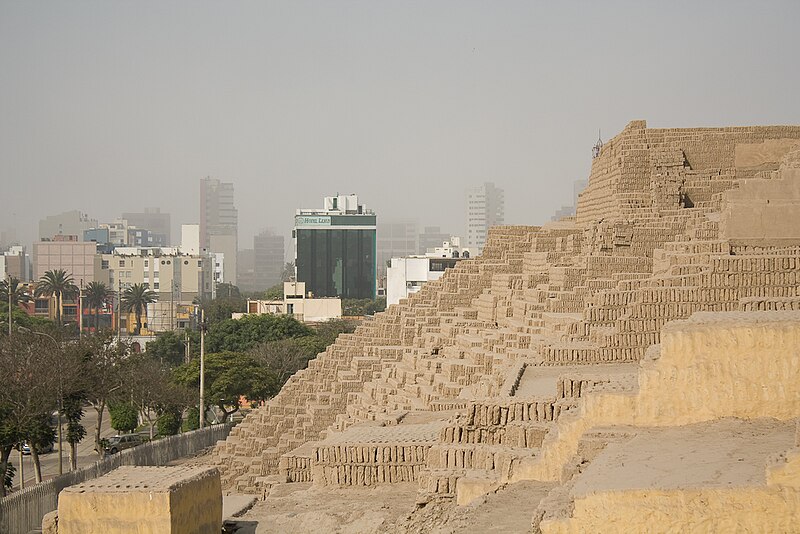
Photo · Wikimedia Commons Before you stands Huaca Pucllana, an immense seven-tiered pyramid of sun-dried clay constructed by the ancient Lima culture between two hundred and seven hundred AD. Join a guided tour at the gate and walk slowly into the lower ceremonial courtyards. Run your eyes along the walls and examine the architecture: millions of handmade adobe bricks, laid vertically like books on a library shelf with intentional gaps to absorb earthquake tremors. It resembles an elaborate culinary layered pastry made of desert silt and river mud. Here, elite clergymen governed regional valleys by commanding the distribution of both saltwater and freshwater. Pause beside the deep excavation pits where archaeologists uncovered ritual offerings of sea fish, dried shellfish, and ceramic vessels consecrated to oceanic deities. Long before modern gastronomy turned local seafood into an obsession, these ancient inhabitants treated the bounty of the Humboldt Current as sacred currency. The desert air feels completely still, carrying the faint, dry scent of ancient clay and forgotten ceremonies.
From this prehistoric sanctuary, walk north along Avenida Choquehuanca across the district boundary into San Isidro until the leafy canopy of ancient olive boughs shelters your head.
- 1 min · on site
Velvet Bitterness: The Centuries-Old Olive Sanctuary
Photo: Checo890 · CC BY-SA 3.0 · Original file Enter Bosque El Olivar from the San Isidro side to walk along the deeply shadowed gravel pathways beneath more than sixteen hundred ancient trees. The air immediately cools, smelling of dry wood, crushed leaves, and cold damp loam. Reach out and press your fingers against the deeply furrowed, corkscrew trunks of these living monuments. In fifteen sixty, Antonio de Rivera introduced the first olive shoots from Seville, of which only three survived the journey. A century later, the Dominican friar San Martin de Porres planted seven hundred cuttings here with his assistant Juan Vazquez Parra, testified to have sprouted green leaves in three days. Researchers even identified a venerable specimen planted in sixteen forty three that still bears fruit. As a culinary critic, I find this grove extraordinary: it is the birthplace of the Peruvian botija olive, cured in brine until it yields a rich, velvety bitterness. Listen for the gentle cooing of cuculi doves hidden within the silver boughs overhead, and appreciate how centuries of patient agriculture shaped Lima's palate.
Leave the quiet sanctuary of the grove and travel north toward Santa Beatriz where the grand fountains of Parque de la Reserva await along Avenida Petit Thouars.
- 1 min · on site
Circuito Mágico del Agua del Parque de la Reserva
The Palate Cleanser: Liquid Architecture in Santa Beatriz
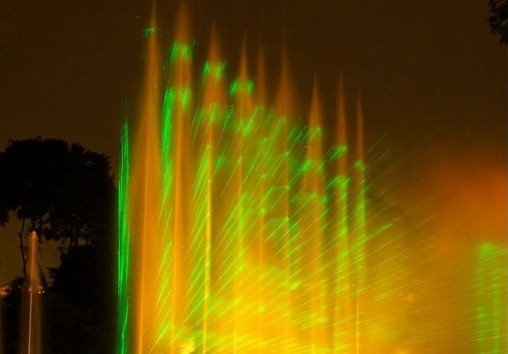
AI-generated image · may differ from the real place Arrive at Parque de la Reserva just before sunset to admire its classical geometry before the evening crowds arrive. Designed in the nineteen twenties by French architect Claude Sahut under President Augusto B. Leguia, this park honors the citizen soldiers who fought during the War of the Pacific. Take time to notice the neoclassical pavilions and indigenous sculptures scattered among the manicured lawns. As dusk deepens into ink, the space transforms into the Magic Water Tour, featuring thirteen monumental fountains that hold the world record for fountain complexes. Walk directly through the Tunnel of Surprises, a thirty-five-meter vault of arching, pressurized water illuminated in neon violet and sapphire. For a palate exhausted by rich broths and sharp ceviche, the sensation is astonishingly restorative: cool, hyper-oxygenated mist clinging to your face like an iced palate cleanser. Watch the Magic Fountain erupt eighty meters into the night sky, a spectacular liquid celebration in the middle of a desert capital.
Walk north past the grand wrought-iron perimeter across Avenida Veintiocho de Julio into the adjacent Parque de la Exposicion where the neoclassical facade of the art museum beckons.
- 1 min · on site
Silver, Squash, and Canvas: Three Millennia of Peruvian Appetite

Photo: Felipe Restrpo Acosta · CC BY-SA 4.0 · Original file Cross into Parque de la Exposicion and stand before the majestic Palacio de la Exposicion, home of the Museo de Arte de Lima. Constructed in eighteen seventy-two by Italian architect Antonio Leonardi, this neo-Renaissance jewel features one of Latin America's earliest cast-iron frameworks. In the nineteen fifties, intellectuals including art essayist Manuel Solari Swayne banded together to rescue the palace, transforming it into a national museum. Combine your visit with a stroll through the park grounds, then head straight upstairs into the permanent galleries. A food critic must never skip these rooms: look closely at the pre-Columbian pottery, where ancient Moche and Nazca artisans sculpted drinking stirrup vessels shaped like ripe squash, native tubers, and sea bass. Continue into the colonial silver gallery to observe shimmering platters and ornate vessels once used for lavish viceregal feasts. The museum presents three thousand years of artistic genius, proving that Peru's aesthetic identity has always been inseparable from the harvest, the ocean, and the table.
Exit the quiet galleries and head northeast toward Avenida Abancay, plunging into the vibrant, garlic-scented alleys of Lima's historic Barrio Chino.
- 1 min · on site
Wok Hei on Calle Capon: The Alchemical Birth of Chifa
AI-generated image · may differ from the real place Pass beneath the majestic red and gold Chinese archway gifted from Taiwan in nineteen seventy-one and step directly onto Calle Capon. In the colonial era, this pedestrian street served as a market for castrated pigs before nineteenth-century Chinese migrants transformed it into South America's most dynamic culinary enclave. Look down at your feet: the promenade is paved with thirty thousand red bricks bearing donors' names, circling the central ideogram for Double Happiness. Then look up at the intricate carved balconies above the bustling storefronts. This is the spiritual birthplace of chifa, where Cantonese technique collided brilliantly with native Peruvian ingredients. Find a table at San Joy Lao, a venerable establishment serving hungry diners since before nineteen twenty. Order a smoking plate of arroz chaufa and lomo saltado: listen to the roaring jet of the wok burner and inhale that unmistakable breath of wok hei. The sharp bite of Peruvian chili meets dark soy, smoky seared beef, and green scallions in a triumphant synthesis of immigrant survival and culinary genius.


As the evening fog gathers once more along the Pacific coastline, the flavors of this journey linger on the palate: the electric shock of fresh coastal lime, the velvety earthiness of cured ancient olives, and the scorched perfume of a seasoned iron wok. Lima does not yield its deepest truths to casual diners who merely consume without questioning. It demands that you listen to the wood under the knife, respect the sweat behind the counter, and understand that every great dish in this city is an act of defiance against forgetting.
Take it further
Open the tour in the appThe tour in the app
The Palate and the Pavement: A Walking Arc Through Lima's Culinary TerroirThis sensory walking route traces Lima's living culinary memory from the morning market counters of Surquillo and ancient clay terraces of Huaca Pucllana to San Isidro's seventeenth-century olive groves. Passing through the illuminated fountains of Parque de la Reserva and the Lima Art Museum, it culminates in the roaring wok-fired alleys of historic Barrio Chino.
+ Add the tour to your planIf you have the app the tour opens right away; otherwise you go to the store.FAQ
- Why is ceviche traditionally prepared and eaten in the morning at markets like Surquillo?
- Coastal Peruvian ceviche relies on morning catches that have never been frozen. Preparing ceviche early ensures the fish's cellular integrity and firm texture remain intact before ambient warmth can soften the delicate flesh, with key lime juice applied mere seconds before consumption.
- What creates the distinctive smoky depth of chifa cuisine on Calle Capon?
- The signature profile comes from wok hei, the breath of the wok, achieved by tossing ingredients over ferocious jet burners in seasoned carbon-steel woks. In Barrio Chino, nineteenth-century Cantonese migrants fused this flash-searing technique with native Peruvian yellow chilies and dark soy sauce.
- What historical significance do the olive trees of Bosque El Olivar hold for Peruvian cuisine?
- The grove descends from three surviving Spanish saplings brought from Seville in fifteen sixty by Antonio de Rivera. Expanded by San Martin de Porres in the seventeenth century, these trees gave rise to the botija olive, a cornerstone of Peruvian criollo cooking renowned for its meaty texture and rich, cured bitterness.
This piece was newly written based on the Wikipedia articles ‘Bosque El Olivar’, ‘Surquillo’, ‘Museo de Arte de Lima’ · CC BY-SA 4.0