I still remember the grey morning fog lifting slowly over the cliffs of Barranco, carrying with it the cold salt dampness of the Pacific Ocean. Walking down the quiet avenues of Lima for the first time years ago, I felt that the city did not reveal itself through its imposing colonial facades, but through the lingering aromas drifting softly from kitchen doors. The sea breeze mixed with the warm scent of toasted corn, crushed chili peppers, and simmering fish broths, creating an unmistakable rhythm that pulled me deeper into every neighborhood. In Lima, food is never just sustenance or mere fuel for the body; it is a living memory of ancient earth and restless ocean waves, whispered patiently from one generation to another across centuries of coastal solitude.
As I wandered along the coastal bluffs, watching pelicans glide silently against the overcast sky, I thought of how deeply this land has always defined itself by what it gathers from its varied heights. Long before high cuisine entered the international lexicon or glossy culinary guides crowned stars, the chronicler Inca Garcilaso de la Vega recorded in his historical commentaries how the ancient Peruvians revered the native chili pepper, calling it uchu in Quechua. To them, this fiery pod was not a simple seasoning to be tossed into a pot, but a sacred element of identity, woven into ceremonial banquets and daily family meals across both the high Andes and the desert coast alike.
Memory on the Coastal Fog
That sacred connection between soil, spice, and spirit transformed every hearth it touched across the viceregal capital. Even the Spanish conqueror Francisco Pizarro, who had spent his childhood herding swine in the dusty, impoverished fields of Extremadura, became an unbridled aficionado of local fried pork chicharrón during the founding years of the City of Kings. Sitting in rustic neighborhood taverns, I often pictured those early encounters between European habits and indigenous bounty, wondering how a simple earthen vessel of braised meat could bring together such distant worlds. The city took these wildly contrasting inheritances and fused them over centuries of slow simmering under a soft grey sky.
Walking further into the working districts, I found that Lima preserves its true heritage not in quiet, formal museum halls, but in the clamor of market stalls and communal tables. The noted scholar of ancient Peruvian medicine and food history, Doctor Fernando Cabieses, once wrote that the native chirimoya fruit is a true queen that requires no royal robes or elaborate preparation to triumph on any table. Standing before piles of green custard apples, fragrant herbs, and native tubers, I understood his deep reverence. The sheer abundance of ingredients harvested from sea level up to high altitude wetlands gives Lima an endless palette of flavors, where every fruit, root, and fish skin tells a quiet story of human endurance.
The Alchemy of Uchu and Salt
To travel through Lima with an open mind and a hungry heart is to embark on an intimate journey through human memory and geographic wonder. The mist that rolls off the ocean every afternoon seems to preserve the flavors of the past, softening the hard edges of urban concrete and inviting quiet reflection. Whether sitting at a humble neighborhood counter with a steaming bowl of broth or inside an elegant dining room overlooking stone courtyards, you taste the collective labor of coastal fishermen, mountain farmers, and immigrant cooks who brought their own dreams across vast oceans. As you set out on your own walk through these streets today, let your appetite be your guide, listening closely to the timeless stories simmered into every single dish.
Want to walk it yourself? Plan a trip with these places
The walk
On site, play just that chapter
- 1 min · on site
Altitudes of the Sacred Earth

Photo: Winedirector · CC BY-SA 3.0 · Original file Stepping into this peaceful sanctuary in Barranco, you immediately sense that dining here is a profound exploration of Peru's dramatic topography. Chef Virgilio Martínez Véliz and his wife, Chef de cuisine Pía León, worked alongside each other for two years in these kitchens before marrying in Lima, forging a revolutionary culinary philosophy that maps the nation by vertical elevation. As you take your seat, look closely at the artistic presentation of high-altitude cushuro cyanobacteria harvested from mountain lakes, alongside delicate Amazonian fish. Every course transports your palate from deep ocean trenches to high Andean wetlands. I remember tasting a dish of native arracacha root here and feeling as though I were standing directly in a mountain cloud. Be sure to arrive well before your reservation time, wander through the peaceful garden courtyard, and allow yourself to be fully immersed in this memorable multi-course sensory expedition.
Leaving the quiet leafy avenues of Pedro de Osma behind, walk north toward the bustling heart of Barranco to find a classic neighborhood tavern.
- 1 min · on site
Warmth of the Criollo Hearth
AI-generated image · may differ from the real place The irresistible aroma of slow-braised onions, garlic, and golden yellow chili draws you into this bustling, tavern-style house on San Martín Avenue. Isolina celebrates the generous, soul-nourishing traditions of home-cooked Peruvian comfort food passed down through generations. Sitting at the rustic wooden tables surrounded by vintage framed posters, I fondly remember the comforting steam rising from a large enamel bowl of savory cau cau stew and tender lomo saltado. The spirit here is entirely about shared abundance, laughter, and nostalgia for traditional family gatherings. As you settle into your wooden chair, take a moment to admire the vintage tiled walls and handwritten chalkboard menus. Be sure to order generous portions of the traditional braised stews or stir-fried beef, designed specifically to be shared family-style among good friends. Each delicious bite carries the authentic, unpretentious soul of Lima's historic coastal kitchens.
From this cozy corner of Barranco, head north along the main thoroughfare toward the seaside cliffside district of Miraflores.
- 1 min · on site
The Meeting of Two Oceans
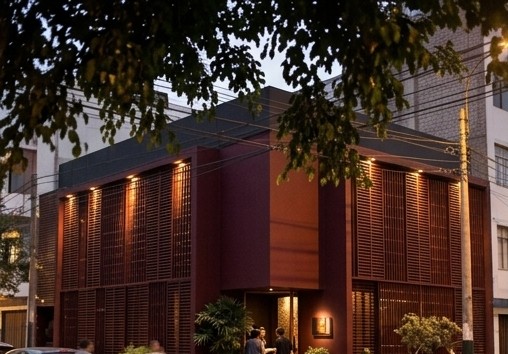
AI-generated image · may differ from the real place Tucked away on a quiet street in Miraflores, Maido represents the brilliant confluence of Japanese culinary precision and Peruvian soul known worldwide as Nikkei cuisine. Chef Mitsuharu Tsumura, who was encouraged by his father to study traditional Japanese cooking in Osaka before opening this venue, created a dining room where ocean cultures converge harmoniously. I recall sitting at the counter watching skilled chefs assemble nigiri topped with seared beef, quail egg, and chili soy sauce, an iconic dish known as sushi a lo pobre. Another unforgettable course is the fifty-hour slow-braised short rib infused with sweet mirin, soy, and sake. When you take your seat, notice the dramatic wooden rope installation suspended gracefully from the ceiling. Be sure to select the comprehensive tasting menu to experience how sea and mountain ingredients interact across two rich cultural traditions.
Walk a few blocks inland through the sunlit streets of Miraflores to discover a vibrant house dedicated to the art of the open flame.
- 1 min · on site
Smoke and Song on the Grill

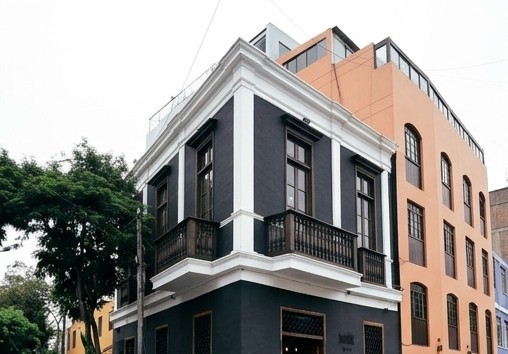
Photo: Photographer not named. · Public domain · Original file The mouthwatering perfume of marinated meats sizzling over hot charcoal embers greets you long before you reach the front doors of Panchita on Dos de Mayo Street. Named in homage to the spirited musical era popularized by singers like La Panchita, who captivated listeners across South America with soulful Peruvian waltzes, this restaurant is a grand celebration of street-food heritage elevated to an art form. I remember watching master cooks slice tender beef heart skewers for anticuchos, basting them generously with rich panca chili and vinegar as vibrant flames leapt from the open grill. As you look around the warm, energetic dining room, take note of the traditional clay ovens baking fresh bread. Be sure to order the signature grilled anticuchos alongside creamy ají de gallina, allowing the deep smokiness and chili heat to awaken your senses.
Head slightly northeast past the residential avenues of Miraflores toward the energetic market boundary of Surquillo.
- 1 min · on site
The Pulse of the Working Market
AI-generated image · may differ from the real place Surquillo Market Number One is a sensory whirlwind where the true agricultural bounty of Peru is displayed in overwhelming, joyous color. Surquillo itself evolved from a viceregal farm into a proud, working-class district celebrated for its food culture. Walking through these high-arched market aisles, I remember marveling at mountains of native fruits, from sweet lúcuma to fragrant green chirimoya, which Doctor Fernando Cabieses famously praised as the true queen of fruits. The market cevicherías prepare fresh sea bass and flounder caught only hours earlier, tossed with freshly squeezed key lime juice and sliced red onions. As you navigate the bustling corridors, look for busy stallholders blending fresh fruit smoothies. Take time to walk the full perimeter first to compare the day's catch before taking a seat at a stainless steel counter for market ceviche.
Leaving the lively market stalls behind, stroll northward into the refined tree-lined neighborhood of San Isidro.
- 1 min · on site
Colonial Heritage Reimagined
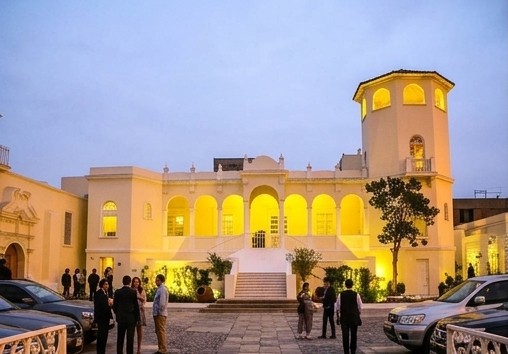
AI-generated image · may differ from the real place Housed within the magnificent whitewashed walls of Casa Moreyra, a grand three-hundred-year-old estate, Astrid y Gastón stands as the historic birthplace of modern Peruvian gastronomic pride. Founded by Gastón Acurio and Astrid Gutsche, this elegant mansion bridges centuries of culinary evolution. Walking across the sunny stone courtyard, I felt the quiet weight of history, recalling how colonial convent kitchens once crafted delicate alfajores and sweet maná pastries in this city. Here, those ancient recipes are given sophisticated new life alongside savory duck rice and spiced meats. When you enter, pause in the central garden courtyard to admire the restored colonial architecture before being seated. Be sure to order the signature arroz con pato and save ample room for dessert to experience the sublime artistry of Peru's sweet heritage.
From San Isidro, take a quick ride north into the historic heart of colonial Lima where trade and tradition meet.
- 1 min · on site
The Historic Crossroads of Flavor

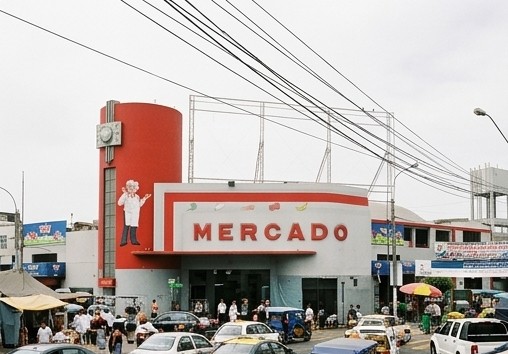
Photo: Robert Cutts · CC BY-SA 2.0 · Original file Located in the historic center of Lima, Mercado Central has served as the city's pulsing stomach since the nineteenth-century guano boom. Stepping into this sprawling market complex on Ucayali Street, you enter a vibrant world where coastal seafood meets Amazonian spices and Asian seasonings. I remember wandering past colorful displays of medicinal herbs, sacks of purple corn for brewing chicha, and giant Amazonian fish, mesmerized by the sheer diversity of Peruvian produce collected under one roof. The market is a living testament to the waves of Cantonese and Italian immigrants who helped shape daily eating habits across the capital city. Look for busy stalls preparing steaming bowls of fish broth, and take time to taste freshly baked market breads while observing local home cooks select their daily ingredients.


As night falls over the cliffs and the Pacific tide breaks below, Lima remains lingering on the tongue, an eternal story told in chili, lime, and salt.
Take it further
Open the tour in the appThe tour in the app
A Walk Through Lima's Gastronomic HeartTrace Lima's rich culinary evolution on a seamless walk from the bohemian cliffside streets of Barranco through the Nikkei dining rooms of Miraflores and working markets of Surquillo to the colonial haciendas of San Isidro and historic Mercado Central.
+ Add the tour to your planIf you have the app the tour opens right away; otherwise you go to the store.FAQ
- What defines the unique flavor profile of authentic Peruvian cuisine?
- Peruvian cuisine is built upon thousands of native potato varieties, indigenous chilies like ají amarillo and ají panca, fresh Pacific seafood, and centuries of fusion with Spanish, African, Chinese, and Japanese traditions.
- How should travelers approach dining across Lima's diverse neighborhoods?
- Plan your days by combining high-altitude fine dining tasting menus in Barranco or Miraflores with casual mid-day market ceviche stalls in Surquillo and traditional criollo stews in neighborhood taverns.