A pale maritime fog, known locally as the garua, drifts lazily across the sheer coastal cliffs of Lima, wrapping the sprawling city in a soft, pearl gray silence. When walking along these dramatic ocean bluffs, one immediately senses that the Pacific breeze carries far more than maritime salt; it carries the accumulated weight of centuries. To approach the Peruvian capital merely as a hungry traveler searching for vibrant flavors is to miss its deeper truth. Lima must be read through the discerning, methodical lens of a museum curator. Here, gastronomy is neither frivolous indulgence nor transient fashion. It is an exacting discipline of living archaeology. The city's greatest dining rooms function as sophisticated research galleries, where handcrafted ceramic plates serve as glass vitrines and each indigenous specimen articulates the profound, ongoing dialogue between human ingenuity and extreme South American topography.
The Architecture of Vertical Altitudes
Millennia before Spanish caravels navigated these waters, the sovereign civilizations of the Andes perceived space not as a flat horizontal plain, but as a vertical ladder of distinct ecological niches. Communities cultivated crops across microclimates stacked thousands of meters above sea level, recognizing that altitude held the definitive archive of communal survival. In modern Lima, that ancient ecological mastery has been meticulously reconstructed into global culinary prominence. When chef Virgilio Martinez Veliz conceived Central, he established far more than a celebrated dining destination; he founded an open laboratory dedicated to cataloging Peru's forgotten biomes. His perseverance mirrors a dramatic municipal chronicle. Central originally opened inside a quiet residential pocket of Miraflores, where local officials led by Mayor Manuel Masias Oyanguren closed it in 2009 under stringent zoning statutes. Martinez Veliz navigated court injunctions and protracted administrative battles until 2010, when he ultimately relocated the institution to an expansive workshop compound in Barranco. There, working alongside his wife, chef de cuisine Pia Leon, who had labored beside him for two intensive years before their wedding in Lima in May 2013, they elevated highland cyanobacteria named kushuru, subterranean arracacha tubers, and Amazonian arapaima into an internationally renowned cartography of flavor, crowning the World's 50 Best list.
This ambition to assemble scattered territories under a coherent aesthetic framework echoes the ancient chronicles of pre-Hispanic Peru. Early historians celebrated Mayta Capac, the fourth Sapa Inca of Cuzco belonging to the Hurin dynasty, as the great reformer of the calendar. Mayta Capac surveyed the heavens, restructured imperial time, and marched his armies toward the rugged ravines of Arequipa and Lake Titicaca to consolidate varied altitudes under one realm. In striking parallel, Lima's modern chefs act as cultural chroniclers, harmonizing disparate microclimates from frigid ocean trenches to windswept puna into an orderly progression of courses. Their work vindicates the philosophical ethos of the late Anthony Bourdain, whose landmark journeys demonstrated that food is never merely fuel, but rather the most uncompromising archive of a culture's collective memory, struggles, and artistic identity.
The Table as an Unbroken Chronicle
As you undertake this curated pilgrimage across Barranco and Miraflores, pause to observe the quiet material artifacts: the weight of carved stone bowls, the earthy perfume of native chili peppers roasting over charcoal, and the measured cadence of service. Each sanctuary on this journey preserves a distinct historical stratum, from pre-Columbian agricultural botany and colonial criollo home traditions to the maritime precision of Japanese Nikkei migration. You are embarking on an intellectual exploration across South America's most intricate ecological landscape, where every bite offers an eloquent testimony to human survival and boundless creative renewal.
Want to walk it yourself? Plan a trip with these places
The walk
On site, play just that chapter
- 1 min · on site
The Bounded Biomes of Altitude

Photo: Winedirector · CC BY-SA 3.0 · Original file Step past the discreet wooden portal at Avenida Pedro de Osma 301 in bohemian Barranco and enter a verdant courtyard planted with native desert botanicals. Inside this architectural stone compound, the dining room faces a glass-walled research kitchen operating with the calm precision of a natural history conservation laboratory. Look closely at the raw stone plinths and hand-thrown clay dishes, each inscribed with precise altitudinal meters from below sea level to the Andean peaks. Order the iconic Altitude tasting menu, allowing an entire evening to witness how obscure specimens such as high-wetland kushuru spheres and ancient arracacha roots are transformed into edible landscape sculptures. The sensory atmosphere is serenely intellectual, turning dinner into a guided expedition across Peru's stratified geography.
When you emerge into the evening air, walk northward along Avenida Pedro de Osma past the tranquil neighborhood square toward Avenida San Martin.
- 1 min · on site
The Hearth of Criollo Memory
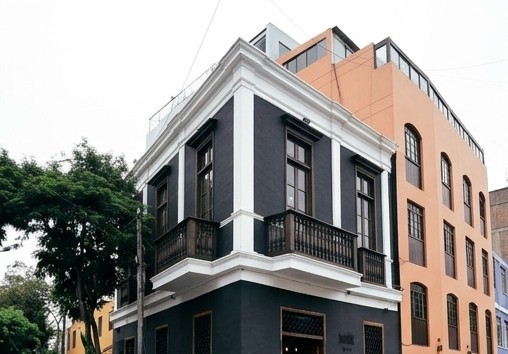
AI-generated image · may differ from the real place Arriving at Avenida San Martin 101, you stand before an elegant two-story republican manor whose corner entrance reveals the bustling heart of traditional limeño tavern culture. Notice the vintage wooden bar, tiled flooring, and handwritten chalkboards honoring maternal culinary heritage. The air hums with spirited conversations and the intoxicating aroma of slow-simmered garlic, cumin, and yellow ají peppers. Secure a sturdy wooden table and order generous sharing portions of traditional tripe cau cau or rich shredded chicken ají de gallina, served unpretentiously in vintage enamel cookware. Each comforting spoonful represents a preserved artifact of colonial domestic history, reviving the communal recipes perfected over generations by Lima's working-class matriarchs.
From this warm tavern haven, take a brief coastal drive or scenic stroll along the oceanfront malecón northward into the refined heart of Miraflores.
- 1 min · on site
The Gallery of Contemporary Synthesis

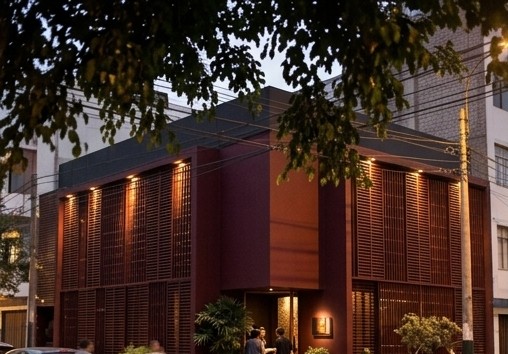
Photo: Unknown artist Unknown artist · CC BY-SA 4.0 · Original file Tucked into an attractive red-brick townhouse at Calle San Martin 300, Rafael Osterling's flagship feels remarkably like a private art collector's intimate personal salon. Glance around the softly illuminated dining room to admire expressive modern canvases, gleaming polished copper accents, and dark timber shelving lined with vintage curiosities. The space maintains a distinctly cosmopolitan rhythm where refined culinary craftsmanship meets relaxed neighborhood charm. Take a seat near the open bar and order the delicate tuna tiradito alongside Osterling's refined interpretations of coastal Peruvian classics. Here, crisp citrus acidity, subtle Japanese sensibilities, and hearty Italian comfort converge harmoniously, demonstrating how Lima seamlessly absorbs global aesthetics while remaining fiercely anchored in its own oceanic terroir. It is an enduring masterclass in cosmopolitan synthesis.
Simply cross Calle San Martin to the opposite sidewalk to find our next sanctuary of intercultural artistry.
- 1 min · on site
The Maritime Cord of Nikkei Identity
AI-generated image · may differ from the real place Ascend to the stylish second-floor sanctuary at Calle San Martin 399, where the culinary staff welcomes you with a resounding Japanese greeting that reverberates throughout the entire room. Look upward immediately to admire the arresting ceiling installation composed of hundreds of taut hanging ropes, carefully designed to evoke deep-sea fishing nets suspended in tranquil ocean water. Reserve well ahead for chef Mitsuharu Tsumura's acclaimed Nikkei tasting menu, taking note of how the delicate nigiri juxtapose pristine Humboldt Current seafood with potent Andean chili pastes and rich Amazonian reductions. Every thoughtfully presented plate functions as a historical monument to the century-long Japanese diaspora in Peru, executing culinary diplomacy with knife skills honed to millimeter perfection.
Leave the lively buzz of central Miraflores behind and travel northward toward the maritime breezes along Avenida La Mar.
- 1 min · on site
The Daylight Temple of the Humboldt Current
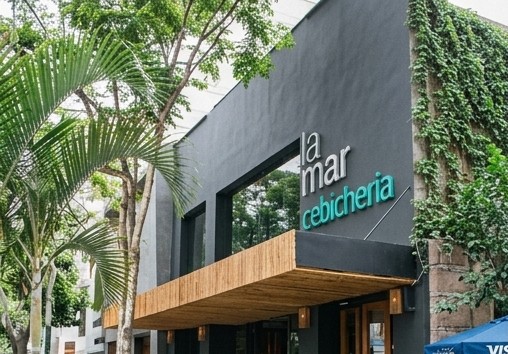
AI-generated image · may differ from the real place Approaching Avenida La Mar 770, the rhythmic clatter of cocktail shakers and the sharp perfume of freshly squeezed limes signal Lima's ultimate temple of daytime seafood devotion. The architecture features soaring woven bamboo ceilings and airy, sun-dappled open walls that welcome the ocean winds. Step toward the iced presentation counter to inspect the shimmering display of morning-caught corvina, sole, and sea urchins. Plan to visit during peak lunch hours to experience authentic ceviche culture, ordering the classic lime-cured fish ceviche alongside tender charcoal-grilled octopus bathed in pisco and spicy rocoto anticuchero glaze. It is a joyful civic ritual where the entire capital gathers to celebrate the boundless bounty of the cold Humboldt Current.
Stroll westward down the leafy sidewalks of Avenida La Mar for several blocks toward our final destination.
- 1 min · on site
The Botanical Archive of Ancient Dominion
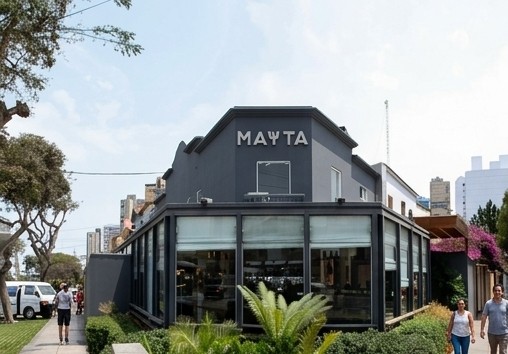
AI-generated image · may differ from the real place Enter the understated, earth-toned threshold at Avenida Mariscal La Mar 1285, where polished concrete, smooth river stones, and gleaming glass carboys of house-macerated pisco establish a contemplative museum ambiance. Chef Jaime Pesaque named this gastronomic laboratory Mayta after Mayta Capac, the fourth Sapa Inca sovereign renowned as the reformer of the calendar who organized diverse Andean territories. Order the modern Peruvian tasting menu, which systematically explores indigenous botanical ingredients sourced from remote Amazonian riverbanks and high-altitude valleys. As you savor delicately composed arrangements of native corn varieties, ancient Andean tubers, and wild river catch, you witness how ancestral territorial knowledge is reimagined into exquisite contemporary gastronomy. The quiet harmony of soil, stone, and flora provides a fittingly profound climax to our culinary expedition across Lima, leaving an indelible imprint of Peru's living heritage on the contemplative traveler.


As our pilgrimage draws to a close amidst the twilight falling over the Pacific, one realizes that dining in Lima is fundamentally an exercise in cultural preservation. These tables are not merely places of ephemeral pleasure; they are living repositories where ecosystems, pre-Columbian wisdom, and migratory histories are safeguarded and celebrated with peerless artistic discipline. Long after the flavors have subsided from your palate, the memory of Lima's vertical landscapes will linger in your mind, reminding you that true culinary mastery is always an act of deep reverence for the earth.
Take it further
Open the tour in the appThe tour in the app
A Curatorial Pilgrimage: From Barranco's Altitudes to Miraflores' Maritime CoastThis walking audio pilgrimage guides you from the avant-garde research laboratories and historic criollo taverns of Barranco, across scenic oceanfront cliffs, into the culinary heart of Miraflores. Experience world-ranked tasting menus, refined Nikkei fusion, and daylight ceviche temples that define contemporary global gastronomy.
+ Add the tour to your planIf you have the app the tour opens right away; otherwise you go to the store.FAQ
- How far in advance should one reserve tasting menus in Lima?
- Flagship destinations like Central and Maido require reservations several months in advance through their online booking systems. For casual lunchtime temples like La Mar Cebichería, arrive early during peak midday hours to secure prime seating near the fresh seafood display.
- What is the cultural significance of the daylight ceviche tradition?
- In Lima, ceviche is traditionally enjoyed during lunch hours when coastal fishing boats return with their morning catch. This daylight ritual ensures the seafood meets the exacting standards of freshness that define classic limeño cebichería culture.
- What does an altitude-based tasting menu signify?
- Rooted in pre-Columbian agricultural systems, an altitude menu organizes dishes according to the exact meters above or below sea level where ingredients originate, guiding diners vertically through marine ecosystems, coastal valleys, Andean highlands, and Amazonian rainforests.