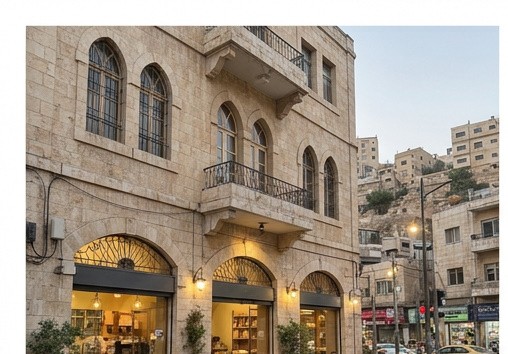
Amman is the capital city of Jordan, built across steep stone hills where traditional Middle Eastern life meets youthful energy. This destination is having a major cultural moment right now. Historic neighborhood cafes have become the main meeting spots for young creatives. When you walk along sunlit staircases downtown, the rich aroma of espresso and cardamom tea fills the warm breeze. Cardamom is a fragrant herbal seed commonly added to Arabic coffee for a warm, spicy flavor. Cafes in this city are not merely practical stops to grab a quick drink before work. They function as open urban living rooms where friends sit for hours to talk, read, and share fresh ideas. Young Jordanians fill leafy patio gardens and bright indoor spaces from early morning until late at night. The atmosphere is both wonderfully relaxed and full of fresh artistic movement.
Stepping into an Amman cafe allows you to slow down and observe local daily life. The sound of copper coffee pots clinking against small ceramic cups creates a steady rhythm throughout the district. Friends share sweet pastries while discussing local music, graphic design, and modern digital arts. This combination of classic hospitality and creative freedom defines the lifestyle of the capital. Whether you choose a quiet wooden table inside a bookstore cafe or an outdoor seat overlooking stone buildings, you immediately feel connected. Coffee here acts as a friendly bridge between generations.
Coffeehouses as Schools of the Wise
Arab coffeehouses are historic public meeting places that originated in Yemen and expanded across the Middle East during the sixteenth century. These early coffee halls were located along market streets where traders, travelers, and local scholars gathered to share news. Historians note that early Ottoman coffeehouses were called schools of the wise. Visitors gathered there to discuss books and listen to public poetry. In nineteenth century Cairo, traditional coffeehouses provided welcoming spaces where storytellers performed for diverse neighborhood audiences. During the twentieth century, Nobel Prize winning Egyptian author Naguib Mahfouz regularly met with fellow writers at Cairo cafes like El Fishawi Cafe. They reviewed manuscript drafts and debated cultural topics over hot cups of coffee. That story shows how public cafes have long nurtured creative writing and free conversation. That rich legacy of community dialogue directly inspires how young people gather in Amman today. Modern neighborhood cafes continue this long tradition by offering open spaces where new ideas flourish.
Preserving the City Visual Soul
The Amman Signs Museum is a specialized cultural museum in downtown Amman that preserves hundreds of vintage commercial shop signs. Jordanian calligrapher and artist Ghazi Khattab founded this museum to honor the city's artistic history and handwritten shop lettering. His personal passion began in June nineteen eighty, right after he completed his final high school religion exam. He walked to Basman Street to view a new storefront sign painted by famous calligrapher Taysir Al Sadat for a shop named Sarsoor. Ghazi Khattab paid a street photographer one dinar to take a Polaroid instant photo of him standing beneath that shop sign. A dinar is the official paper currency of Jordan. That single photograph became a memento that inspired his lifelong effort to save historic signs from old cafes and businesses. His work demonstrates how Amman preserves its artistic memory while building a fresh cafe culture. As you visit these five coffee spots, you will discover how past heritage and modern energy meet in every cup.
Want to walk it yourself? Plan a trip with these places
The walk
On site, play just that chapter
- 1 min · on site
Downtown Energy and Turkish Coffee
AI-generated image · may differ from the real place Astrolabe Coffee Downtown is a modern specialty cafe located on Prince Muhammad Street in downtown Amman. This lively spot blends classic coffee traditions with playful new drinks. To find it, look for its clean glass storefront near the main downtown market intersection. Inside, the smell of freshly brewed Turkish coffee and baked pastries fills the multi-level seating space. Order their signature baklava milkshake, a sweet blended drink inspired by layered honey pastry. Pair it with a warm halloumi cheese bagel. Halloumi is a popular Middle Eastern cheese known for its firm texture and savory flavor. As you sit near the window, watch the energetic flow of shoppers passing through stone streets below. Historian Farshid Emami notes that traditional Arab coffeehouses created rich multi-sensory experiences through roasted scents and social chatter. That sensory atmosphere continues here as young locals gather over hot coffee pots.
After finishing your drink, walk uphill toward the vibrant district of Jabal Amman to visit our next destination.
- 1 min · on site
Literary Pages and Valley Views
AI-generated image · may differ from the real place Books at Cafe is a famous bookstore cafe located on Omar Bin Al Khattab Street near Rainbow Street. This venue introduced independent coffee and reading culture to Amman. Look for its bright painted doorway hidden just off the main neighborhood street. Before ordering your drink, walk through peaceful bookshop rooms filled with local history books, fiction, and art magazines. Order a smooth hot coffee and step onto the open outdoor balcony overlooking the city valley. Nineteenth century British travel writer James Silk Buckingham recorded how historic Arab coffeehouses served as gathering spots for readers and storytellers. At this hilltop venue, that literary tradition thrives as young Jordanians read poetry and share creative ideas under shady trees.
From Jabal Amman, stroll across the valley toward the artistic neighborhood of Lweibdeh along Al Baouneyah Street.
- 1 min · on site
Master Roasts and Morning Focus
AI-generated image · may differ from the real place Dimitri's Coffee is a pioneering specialty coffee shop located on Al Baouneyah Street in Jabal Al Lweibdeh. This venue roasts premium coffee beans for coffee enthusiasts. Find it by spotting its modern glass corner store situated near several local art galleries. Visit during morning hours to enjoy a quiet work friendly vibe while soft daylight fills the clean room. Order a flat white, a smooth espresso drink prepared with steamed milk, alongside a freshly baked butter croissant. Notice the calm focus of local writers and designers chatting quietly over morning drinks. Historical records show that early Ottoman coffeehouses were nicknamed places of wisdom because guests gathered there to read and think in peace. This neighborhood roastery keeps that thoughtful spirit alive with every carefully poured cup.
Step outside and walk a few steps down Al Baouneyah Street to reach our next traditional gathering spot.
- 1 min · on site
Garden Courtyards and Classic Hospitality
AI-generated image · may differ from the real place Rakwet Arab Restaurant is a traditional courtyard cafe located on Al Baouneyah Street in Lweibdeh. This peaceful space celebrates classic Arabic coffee and local hospitality. Look for the carved stone archway that leads into a hidden garden patio away from street traffic. Order a pot of Arabic coffee spiced with cardamom, accompanied by small savory mezze dishes like creamy hummus and grilled cheese. Mezze refers to a traditional selection of small shared appetizers served across the Middle East. The word rakwet means the long handled copper pot used to brew fresh coffee over open burners. This garden recalls how twentieth century Egyptian novelist Naguib Mahfouz gathered with friends in Cairo cafe courtyards for hours of discussion. Relax under shady grape vines before exploring nearby art studios.
Finish your coffee and walk two blocks east toward Al Shariaah College Street for our final stop.
- 1 min · on site
Bohemian Evenings and Spiced Tea
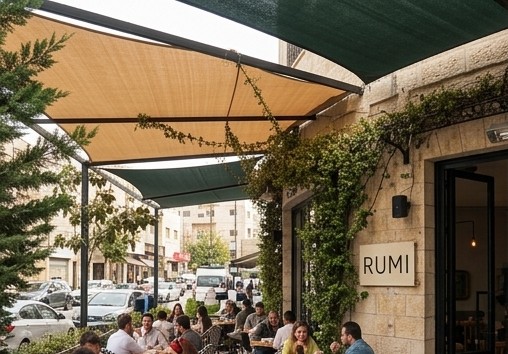
AI-generated image · may differ from the real place Rumi Cafe is a beloved bohemian coffee shop located on Al Shariaah College Street in Lweibdeh. This vibrant spot acts as the social heart of Amman art scene. Find it easily by looking for lively sidewalk tables filled with local painters, students, and neighborhood pets. Order their signature Yemeni tea brewed with mint, paired with a slice of sweet cardamom cake. Cardamom cake is a traditional baked dessert spiced with fragrant cardamom seeds. The cafe is named after thirteenth century Persian poet Jalal al-Din Rumi, celebrating his message of universal warmth and human connection. Famous twentieth century Arab poets like al-Rusafi and al-Jawahiri made neighborhood cafes their daily intellectual headquarters. Sitting at these wooden tables as the sun sets over stone houses, you experience the true enduring magic of Amman cafe culture.
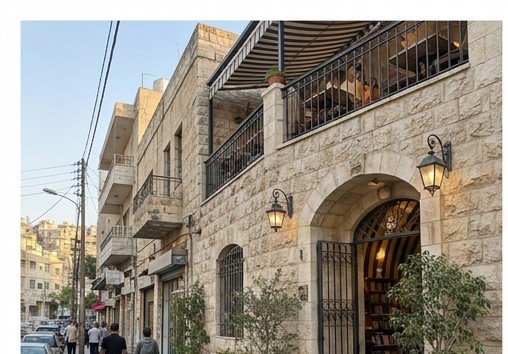
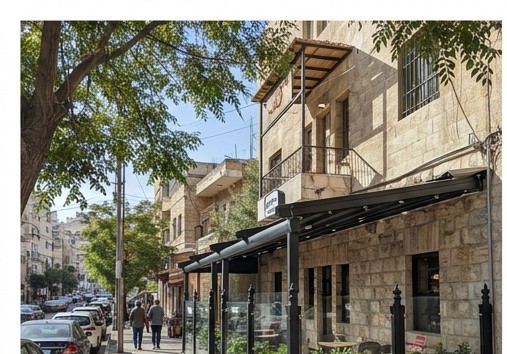
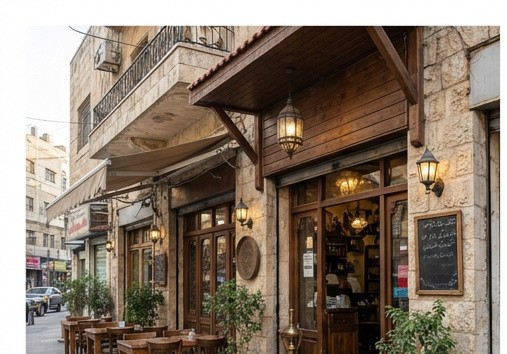
As your coffee tour through Amman comes to an end, the lingering warmth of its neighborhood cafes stays with you. From downtown roasteries to hilltop garden terraces, these spaces preserve ancient Middle Eastern hospitality while inspiring modern youth culture. Whenever you return to these stone hills, a hot cup of cardamom tea and a friendly conversation will always be waiting.
Take it further
Open the tour in the appThe tour in the app
Amman Neighborhood Cafe WalkExplore five outstanding cafes across Downtown, Jabal Amman, and Lweibdeh on a relaxing walking route. Taste signature Turkish coffee, Yemeni tea, and local pastries while discovering historic calligraphic signs, quiet bookshop balconies, and vibrant art terraces across the capital city.
+ Add the tour to your planIf you have the app the tour opens right away; otherwise you go to the store.FAQ
- What is the best time of day to explore cafes in Amman?
- Morning hours are ideal for quiet reading and working at roasteries, while late afternoon and evening offer lively social atmospheres on outdoor terraces.
- What traditional drinks should I try at an Amman cafe?
- Try traditional Arabic coffee brewed with cardamom, rich Turkish coffee, or aromatic Yemeni tea infused with fresh mint.