Morning in South Kensington arrives with a coat of silver light and the quiet hum of black cabs along Cromwell Road. To explore London with children is to witness an exquisite theater of scale, architecture, and enduring style. A stroller becomes a front-row seat to Romanesque terracotta arches, while small leather shoes tread across paving stones worn by centuries of curious thinkers. There is a refined art to navigating this grand capital with polish rather than haste. It begins with a subtle shift in perspective. We are not dragging young travelers on an exhausting marathon across busy avenues or crowded transit lines. Instead, we are inviting them into a living museum designed as a sanctuary of endless wonder. Observe how the Victorian facades frame the wide boulevards with monumental grace and dignified symmetry. The cathedral-like silhouette of the Natural History Museum stands as a testament to the human instinct to observe, collect, and admire. Beneath its soaring vaulted ceilings, generations of families have paused in shared awe. Too often, family travel is treated as a chaotic set of logistics to survive. Yet when approached with editorial intention, it reveals itself as a charming ritual of discovery, connection, and timeless chic.
The Heritage of Wonder
Consider the fascinating origin of the great institutions that grace the city's verdant parks and historic neighborhoods. Long before South Kensington emerged as a quiet enclave of tailored coats and artisan coffee shops, visionary minds conceived public spaces where knowledge belonged to everyone. In the eighteenth century, Sir Hans Sloane, an Ulster physician with an unquenchable passion for natural history, amassed more than seventy-one thousand specimens, books, and rare plants. Upon his death, he willed his vast collection to the nation at a price funded by a public lottery. That magnanimous act laid the groundwork for the British Museum and inspired the creation of London's great natural history galleries. Decades later, in nineteen hundred and five, the Scottish-American philanthropist Andrew Carnegie presented a majestic hundred-and-five-foot Diplodocus cast affectionately nicknamed Dippy to the Natural History Museum following a conversation with King Edward the Seventh. Transported across the Atlantic inside thirty-six wooden crates, the colossal skeleton transformed how children and adults envisioned prehistory. These historical stories remind us that curiosity is a noble lineage passed down through generations.
Curating the Rhythmic Stroll
When moving through London with young companions, true luxury lies in thoughtful pacing, elevated taste, and clever curation. Forget rigid schedules that turn afternoon walks into stressful drills. Cultivate a relaxed rhythm that balances monumental sights with quiet moments of indulgence. A morning contemplating ocean depths or prehistoric giants is effortlessly complemented by a gentle promenade along the Thames or a leisurely stop at a bustling piazza. Allow children to lead with their senses—the echo of footsteps beneath a glass dome, the crisp scent of lawn grass in green gardens, or the theatrical energy of street artists beneath historic arcades. By selecting a harmonious walking route across the capital, you transform a family getaway into a seamless narrative of elegance and joy. Let London reveal its treasures with calm confidence, framed like a classic feature in a fine travel journal.
As we set out on this curated journey through the city's most storied quarters, keep in mind that the best souvenirs are never physical objects. They are the quiet memories of a shared chuckle under a lofty archway, the widening of young eyes before an ancient relic, and the gentle rhythm of a stroll taken at ease. Welcome to London as seen through a lens of sophistication, warmth, and enduring magic.
Want to walk it yourself? Plan a trip with these places
The walk
On site, play just that chapter
- 1 min · on site
Natural History Museum, London
The Cathedral of Blue Whales and Terracotta
Photo · Wikimedia Commons Step through the grand Romanesque portal on Cromwell Road and enter Hintze Hall, where cathedral arches meet the soaring vault of natural history. Look directly upward to marvel at Hope, the immense blue whale skeleton suspended gracefully in mid-air as if gliding through an ancient azure ocean. To navigate this grand space with polish, secure a timed entry pass in advance of your arrival to bypass the main entrance queues outside. Guide your young companions toward the Earth Galleries or the famous dinosaur hall to see the animatronic Tyrannosaurus rex in full motion. Observe the intricate terracotta tiles carved with extinct and living species along the walls, designed by Victorian architect Alfred Waterhouse. Take a gentle breath beneath the painted ceiling panels, taking in the magnificent scale of nature before continuing your morning stroll through South Kensington.
Exit onto Exhibition Road and walk north for just two minutes toward the glass doors of our next scientific haven.
- 1 min · on site
Interactive Wonder on Exhibition Road
Photo · Wikimedia Commons Located just steps away along Exhibition Road, the Science Museum invites families into a sleek world of hands-on innovation and interactive marvels. Make your way upstairs early toward Wonderlab to enjoy the interactive galleries before the busier afternoon crowds begin to arrive in numbers. Look for the striking displays of historical rockets, steam locomotives, and early computing engines that tell the enduring story of human ingenuity. Encourage young minds to touch, test, and experiment with light and sound exhibits that make complex physics feel like pure magic. Pause near the upper balcony for a sweeping view over the gallery floor, capturing the industrial beauty of glass, steel, and light. It is a polished venue where scientific curiosity meets contemporary design in perfect harmony, offering an enriching pause for curious visitors of all ages.
Head south to South Kensington station and take a brief tube ride eastward to the riverfront at Westminster Bridge.
- 1 min · on site
Floating Above the Thames Skyline
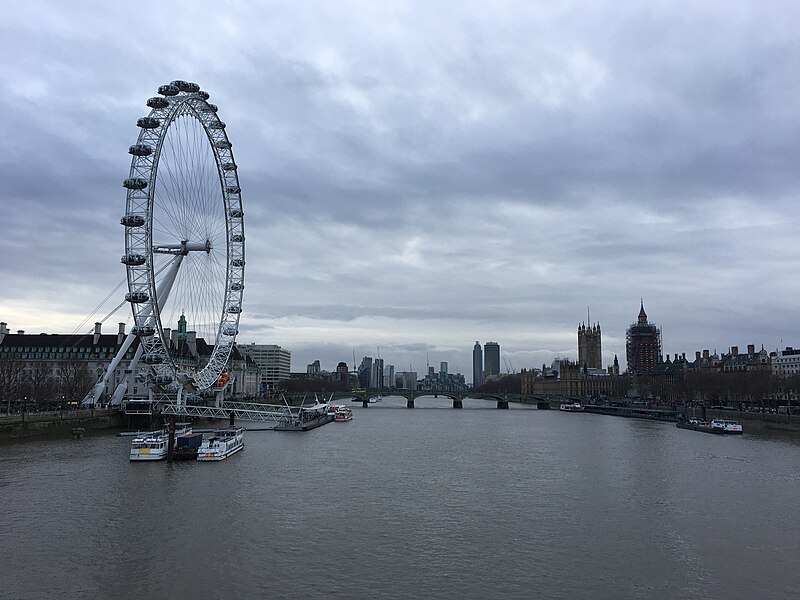
Photo · Wikimedia Commons Arriving at the South Bank beside Westminster Bridge, step onto the tree-lined river promenade where the London Eye rises gracefully over the water. Reserve a timed boarding slot in advance and arrive slightly early to ensure a smooth, elegant boarding process into your spacious glass capsule. As the massive wheel rotates slowly, look across the Thames toward Big Ben, the Houses of Parliament, and the distant dome of Saint Paul's Cathedral. The view offers a spectacular three-hundred-and-sixty-degree panorama of the capital bathed in crisp morning sunlight. Children will love spotting red double-decker buses crossing the historic bridges below like colorful miniature toys moving across a painted grid. Enjoy the gentle climb above the skyline, savoring a serene moment of skyward reflection high above London's energetic pulse as the city unfolds below.
Step off your capsule and stroll just a few steps along County Hall to enter the aquatic realm next door.
- 1 min · on site
Submerged Sanctuaries at County Hall

Photo: Txllxt TxllxT · CC BY-SA 4.0 · Original file Housed inside historic County Hall, SEA LIFE London Aquarium transforms the riverside into a glowing underwater sanctuary for marine life from across the globe. Combine your visit with a relaxed stroll along the South Bank promenade to take in the fresh river breeze before stepping inside the cool galleries. Walk down the clear Ocean Tunnel as majestic sea turtles, rays, and sharks swim directly overhead in deep blue waters. Guide your children to the Gentoo penguin colony, where you can observe these playful birds diving, gliding, and waddling along ice ledges. Look out for touch pools and interactive conservation zones designed to inspire young marine stewards while exploring at your own leisurely pace. The ambient lighting and soothing ocean sounds create a quiet, chic oasis right beneath the bustling capital streets, offering a delightful sensory escape.
Cross Westminster Bridge toward the West End and take a short walk into the vibrant heart of Covent Garden.
- 1 min · on site
Cobblestones, Performers, and Heritage
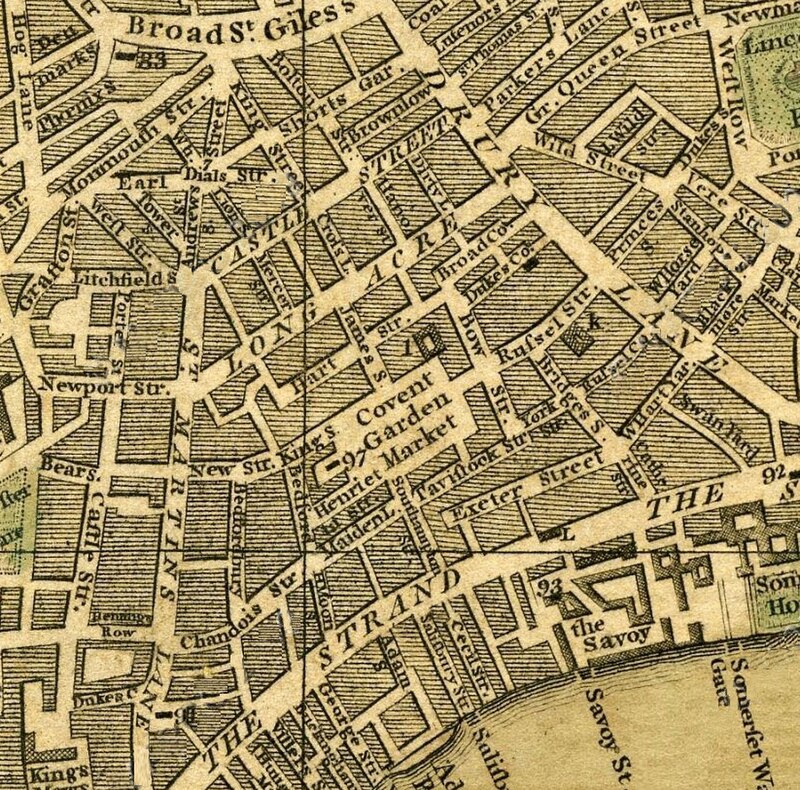
Photo · Wikimedia Commons Arrive at the central Piazza of Covent Garden, where glass arcades frame a bustling market filled with artisan boutiques and street theatre. Visit on a quiet weekday morning for easy stroller navigation across the classic cobblestone walkways and open sunlit plazas. Stand near the portico of Saint Paul's Church to watch acrobats, musicians, and classical performers delight audiences under open skies. It was right here in May sixteen sixty-two that diarist Samuel Pepys recorded the very first mention of a Punch and Judy puppet show in Britain. Explore the Apple Market stalls for handcrafted treasures, or sit at a sunlit cafe terrace to enjoy tea while absorbing the lively atmosphere. Covent Garden remains London's most glamorous theater of daily urban life, blending historic charm with contemporary flair and joyful energy.
Walk north along Museum Street for ten minutes until you reach the grand classical portico of Great Russell Street.
- 1 min · on site
Monuments of Memory in Bloomsbury
Photo · Wikimedia Commons Enter the classical gates on Great Russell Street and step beneath the breathtaking glass-and-steel canopy of the Great Court in central Bloomsbury. To keep younger companions engaged without feeling overwhelmed, select just two key galleries to explore during your morning visit. Head first to inspect the Rosetta Stone, then wander into the Egyptian halls to admire giant stone pharaohs and intricate ancient mummies. Remember that this world-renowned collection traces back to Sir Hans Sloane, whose founding bequest sparked the creation of public national museums. Look up at the soaring central Reading Room, letting children soak in the solemn beauty of ancient civilizations and global history. Conclude your family tour in the serene courtyard, reflecting on a memorable day spent among the world's finest cultural treasures and timeless human achievements.

As the afternoon light fades into dusk over Bloomsbury, London reveals its final, quiet lesson: that style and family life are not opposing forces, but graceful partners in travel. Walk slowly, savor the silence under ancient domes, and hold these moments close.
Take it further
Open the tour in the appThe tour in the app
The Polished Family PromenadeThis curated walking route links South Kensington's museum enclaves to the vibrant South Bank and historic Covent Garden, concluding at Bloomsbury's British Museum. Designed for seamless pacing with children, it balances monumental architecture, ocean depths, street theater, and ancient relics.
+ Add the tour to your planIf you have the app the tour opens right away; otherwise you go to the store.FAQ
- How should families structure a day between South Kensington and Bloomsbury?
- Begin early in South Kensington to visit one major museum, then transition by tube to the riverfront for an afternoon walk ending in Covent Garden and Bloomsbury.
- What is the key to maintaining polish and ease when traveling with strollers?
- Opt for weekday mornings at popular piazzas and reserve timed tickets in advance to skip entrance queues at major national museums.
This piece was newly written based on the Wikipedia articles ‘Natural History Museum, London’, ‘Covent Garden’, ‘British Museum’ · CC BY-SA 4.0