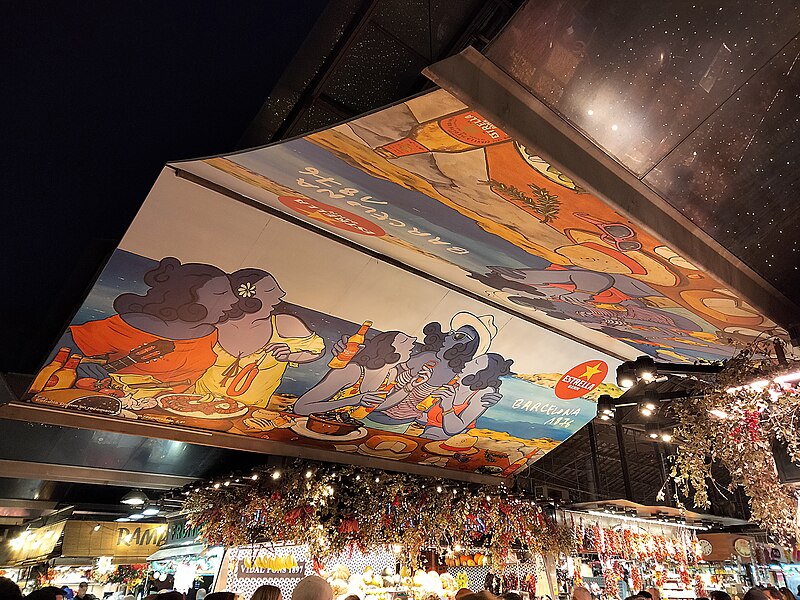
I still recall the quiet autumn light filtering through the leafy plane trees along La Rambla, casting long golden shadows across the worn stone paving of the old city. Barcelona does not reveal its true culinary soul through grandiose statements or formal dining rooms; it whispers it in the clatter of small white ceramic plates, the sharp hiss of olive oil hitting a red hot plancha, and the effervescent ring of chilled glass touching glass. Years ago, on my very first morning in the historic district, I wandered without a map, guided only by the comforting aroma of crushed garlic, sweet roasted red peppers, and slow simmering broth drifting from hidden tavern doorways. Food here is not merely daily sustenance or theatrical performance. It is a slow, living conversation between the coastal sea, the surrounding pine covered hills, and generations of patient hands that have tended the wood grill and poured the ruby wine.
That early morning walk taught me a single fundamental truth: eating in Catalonia is an act of deep presence. It demands that you pull up a worn wooden stool, lean against a smooth marble counter, and abandon the rigid schedules of elsewhere. The communal table is a sacred sanctuary where time softens and conversation flows freely. In a world increasingly obsessed with speed and convenience, Barcelona preserves the sacred pause of the middle afternoon. Here, a meal is defined by memory, heritage, and seasonality, by simple ingredients elevated through genuine care, respect, and shared laughter around the counter.
Echoes of the Table
Consider how culinary stories leave their indelible mark across time. Long before high gastronomy captured global headlines, humble beginnings laid the enduring foundation for Catalan pride. In nineteen sixty one, a German couple named Hans and Marketta Schilling opened a simple beach bar along the secluded cove of Cala Montjoi. They named their small venture El Bulli after their French bulldogs, affectionately called bullies in French. Decades later, that quiet coastal stop would transform under visionaries like Ferran and Albert Adria into a three Michelin star legend that completely reshaped world gastronomy. Yet its core spirit always remained deeply rooted in Mediterranean curiosity and unpretentious coastal hospitality.
Similarly, when French brothers Edouard and Andre Michelin published their very first red guide in nineteen hundred to aid motorists with mechanics, hotels, and roadside dining stops, they could hardly have imagined how three stars introduced in nineteen thirty three would come to define international culinary excellence. Even La Boqueria market itself, whose official metal shelter architect Mas Vila began building in eighteen forty, rests on grounds where local meat traders placed their wooden tables as far back as twelve seventeen.
A Lingering Memory
As you walk these ancient cobblestone streets today, remember that every traditional dish carries the genuine warmth of history and human connection. Let your senses guide you through the narrow shadows of the alleys and out into the sunlit grand avenues. Step past the threshold of each neighborhood tavern with an open heart, ready to listen to the quiet stories folded inside every savory bite. Barcelona rewards those who linger, those who notice the amber glint of vermouth in a heavy tumbler and the crisp crunch of toasted country bread rubbed with ripe tomato, olive oil, and sea salt. Allow yourself to be carried by the gentle rhythm of the city, one memorable plate at a time.
Want to walk it yourself? Plan a trip with these places
The walk
On site, play just that chapter
- 1 min · on site
Under the Iron Roof of St. Josep
Photo · Wikimedia Commons Stepping from the bright bustle of La Rambla into the shaded iron hall of La Boqueria feels like entering a cathedral dedicated to taste. The air is alive with the scent of salty cured ham, crushed ice, and sweet mountain berries. Walk past the busy front displays and navigate toward the quieter stalls hidden in the rear corridor. Here, away from the main crowd, vendor counters offer paper cones of dark ruby jamon iberico de bellota alongside freshly squeezed citrus juices. Watch the nimble hands of fishmongers sorting the morning catch from the Catalan coast. As architect Mas Vila envisioned when laying out this iron structure in eighteen forty, the market remains the beating heart of civic life. Take a quiet seat on a high metal stool, order a glass of fresh orange juice with thinly sliced ham, and savor the timeless energy of the old market halls.
When you leave the market's iron arch, slip down the narrow stone alleys toward the Gothic Quarter to find Barcelona's oldest recorded dining room.
- 1 min · on site
Voices in the Wooden Dining Room

Photo: Enfo · CC BY-SA 3.0 · Original file Tucked away in a quiet alley near La Rambla, Can Culleretes welcomes you with warm tiled walls, vintage oil paintings, and the comforting clatter of silver spoons. Founded centuries ago, this dining room has nourished generations of Catalan families, writers, and poets who gathered to debate politics and art over steaming terra cotta dishes. Look closely at the walls adorned with historic photographs and ceramic tiles as you settle into a wooden chair. The kitchen here honors traditional recipes that have remained virtually unchanged for over a hundred years. Order the rich house canelons stuffed with roasted meats or a hearty Catalan fish stew bubbling in rich broth. Every forkful feels like a quiet nod to the city's culinary history. Be sure to reserve your table in advance for lunch to experience the dining room at its liveliest.
From this historic sanctuary, walk southward toward the sea breeze of Port Vell where a vibrant standing bar awaits.
- 1 min · on site
Effervescence by the Harbor

Photo: robertorodriguex · CC BY-SA 2.0 · Original file Near the historic harbor front, Can Paixano announces itself before you even cross the threshold through the joyful hum of voices spilling onto the stone pavement. Inside this narrow, standing-room tavern, ham legs hang in dense rows from the wooden ceiling beams and elbow-to-elbow camaraderie defines every square foot. Navigate toward the rear counter where the bar team moves with practiced speed. Order a chilled glass of house brut cava alongside hot grilled entrepans stuffed with dry cured sausage or seared pork loin. The pink foam of the cava cuts cleanly through the rich, savory meats, creating a classic local pairing that feels both democratic and celebratory. Stand shoulder to shoulder with locals, hold your glass steady, and embrace the unpretentious joy of Catalan tavern culture. Remember to place your food and drink order directly at the busy front counter upon arrival.
Once your glass is finished, wander east into the maze of El Born toward a leafy square famous for its counter theater.
- 1 min · on site
The Alchemy of the Counter

Photo: Enric · CC BY-SA 4.0 · Original file In the charming shade of Placeta de les Olles, Cal Pep represents the art of counter dining pushed to perfection. There are no individual dining tables here, only a long curved stainless steel bar where diners sit side by side watching the culinary performance unfold. Arrive early before the lunch opening to secure your place in line. Once seated, skip the printed menu and let the host guide your meal based on the day's freshest sea market arrivals. Watch the chefs sear delicate seafood over high flames with minimal embellishment, relying entirely on pristine freshness and precise timing. The signature tartar de atun with its buttery texture and the warm, golden tortilla de patatas with a runny center are absolute masterclasses in restraint. Share plates with your neighbors, sip cold white wine, and admire the seamless rhythm of a master kitchen in full motion.
After the final plate is cleared, stroll north toward the elegant broad avenues of Eixample to discover classic mid-century sophistication.
- 1 min · on site
A Legacy of Iberian Tradition
Stepping into Casa Alfonso on Carrer de Roger de Lluria is like stepping back into the refined golden age of Catalan cured meats. Founded nearly a century ago, this elegant establishment combines a classic tapas bar with a gourmet charcuterie counter lined with aged hams and artisanal cheeses. Take a moment to examine the marble counters, polished dark woods, and brass fittings that give the room its timeless dignity. Order a platter of acorn-fed jamon iberico hand carved into paper-thin ribbons, served alongside crisp pan con tomate rubbed with sweet ripe tomatoes and golden olive oil. The rich, nutty fat of the ham melts instantly on the tongue, pairing exquisitely with a glass of crisp local red wine. After enjoying your tapas at the counter, wander into the adjacent gourmet shop to browse cured delicacies and olive oils to take home.
From this classic corner, walk two blocks west to Passeig de Gracia to witness modern architectural splendor revived for gastronomy.
- 1 min · on site
The Grand Pavilion of Catalan Taste
AI-generated image · may differ from the real place Hidden behind a discreet facade on Passeig de Gracia, El Nacional opens up into a magnificent multi-space culinary hall housed inside a restored mid-century industrial building. High vaulted glass ceilings allow soft natural light to flood the expansive hall, illuminating distinct dining zones dedicated to seafood, meats, tapas, and oysters. Take a leisurely stroll around the perimeter before choosing your seat, admiring how modern design breathes new life into historical Catalan craftsmanship. Find a stool at the central seafood counter and order a steaming skillet of classic saffron seafood paella alongside thinly sliced cured ham. The rice, cooked in rich fish stock, features a delicate crispy crust along the bottom pan, delivering authentic depth of flavor. Sit back under the glowing brass lamps, take in the vibrant ambient hum, and toast to the endless culinary spirit of Barcelona.
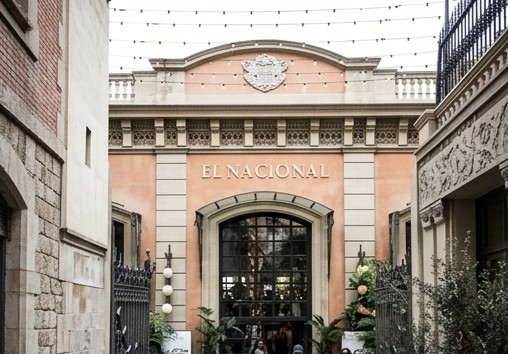


As night falls over Barcelona, the taverns glow with enduring warmth. Food here remains a bridge between past and present, a sensory legacy preserved in every shared plate and raised glass.
Take it further
Open the tour in the appThe tour in the app
A Walk Through Barcelona's Culinary HeartThis walking tour takes you from the historic stalls of La Boqueria and the medieval dining rooms of the Gothic Quarter to the vibrant standing bars of Port Vell, the counter theater of El Born, and the grand culinary pavilions of Eixample.
+ Add the tour to your planIf you have the app the tour opens right away; otherwise you go to the store.FAQ
- What is the best way to experience Barcelona counter bars?
- Arrive slightly before opening times to secure counter seating, order small plates to share, and ask hosts for seasonal daily specials.
- How should I approach ordering tapas in historic taverns?
- Start with classic staples like pan con tomate and jamon iberico, then add two or three house specialties as you watch dishes emerge from the kitchen.
This piece was newly written based on the Wikipedia articles ‘El Bulli’, ‘List of Michelin 3-star restaurants’, ‘La Boqueria’ · CC BY-SA 4.0