Standing on the quiet east bank of the Nile as the afternoon heat softens into an amber dusk, one feels the profound stillness that defines Luxor beyond its magnificent stone monuments. Away from the thrum of crowded tour buses, this ancient landscape reveals itself not through grand declarations, but through quiet, shaded avenues, hidden courtyards, and the steady rhythm of water moving past reed-covered banks. As a museum curator, I have spent decades studying the monumental temples and sacred artifacts of the New Kingdom, yet the true soul of Luxor is often discovered in its subtle corners where daily life and ancient memory exist side by side. Here, the passage of time feels fluid, inviting the observant traveler to slow down, breathe deeply, and listen closely to the whispering currents of history.
To wander Luxor with a contemplative eye is to understand that the past here is not a distant, static museum exhibit, but a living presence. The earth beneath our feet holds layers of sacred history, from the silent sanctuaries of ancient pharaohs to the modest teahouses tucked away in narrow side streets. When preparing to explore these understated places, one must abandon haste and adopt the deliberate, thoughtful pace of an archivist examining a precious ancient manuscript. Before stepping into the dusty sunlight of the city, take a moment to listen to the quiet murmur of the river, for it sets the exact tempo for the journey ahead.
Architectural Harmony and the Art of Restraint
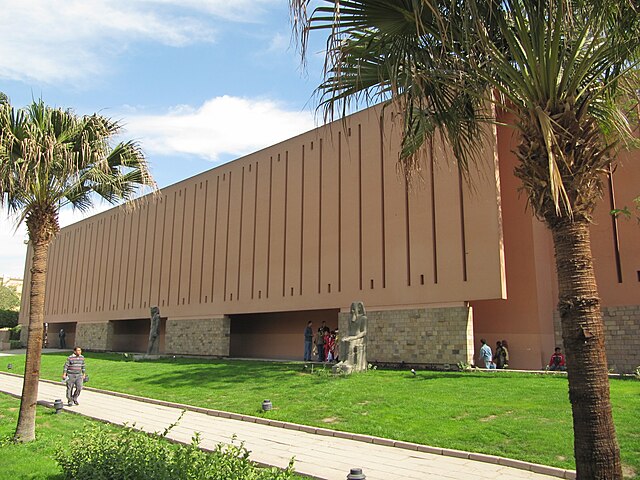
The history of how we preserve and experience Luxor's treasures is itself a story of vision, patience, and artistic restraint. In nineteen sixty two, when the Egyptian Ministry of Culture sought to establish a modern sanctuary for local antiquities, they commissioned the distinguished Egyptian architect Doctor Mahmud El Hakim. Rather than creating a sprawling monument that competed with the grand temples of Karnak and Luxor, El Hakim conceived a refined, two story building dedicated to clarity, breath, and spatial harmony. Inaugurated in nineteen seventy five, the Luxor Museum stood apart from traditional repositories by deliberately displaying a restricted, handpicked selection of artifacts. Here, masterworks were given room to breathe under soft illumination, accompanied by clear multilingual inscriptions that allowed each statue and relief to speak directly to the visitor.
This curated philosophy transformed our understanding of how ancient stories should be shared with the world. Among the museum's quiet halls rests a breathtaking calcite double statue of the crocodile deity Sobek seated beside Amenhotep the Third, carved with exquisite mastery during the eighteenth dynasty. Decades later, in March two thousand four, the museum expanded to welcome the royal mummies of Ahmose the First and Ramesses the First into a dedicated new visitor center. These objects and historical figures remind us that artifacts are best understood when given space for quiet contemplation. The hidden sanctuaries of Luxor offer that exact sanctuary, inviting us to look past the dramatic facade and discover the timeless artistry woven into the quiet fabric of the city.
The Persistent Echo of the Nile
As you travel toward these secluded paths, remember that every alleyway and sunlit riverbank carries an echo of human hands and ancient devotion. Whether looking upon a carved relief of an ancient ruler or tasting fresh fruit beneath the palm trees of a quiet island, you are engaging with a landscape that has inspired seekers, scholars, and artists for thousands of years. Let your curiosity lead you gently through these sacred grounds, where every shadow holds a story waiting to be quietly understood and deeply cherished.
Want to walk it yourself? Plan a trip with these places
The walk
On site, play just that chapter
- 1 min · on site
Galleries of Light and Divine Calcite
Photo · Wikimedia Commons Standing on the upper terrace of the Luxor Museum along Kornish Al Nile, you look out over the river toward the distant cliffs of the West Bank. Inside these quietly illuminated galleries, the commotion of the modern town dissolves completely into reverent silence. As you walk among the masterworks, pause before the magnificent calcite double statue of Sobek and Amenhotep the Third. Notice how the polished stone captures the subtle contours of divine authority and human elegance. Unlike traditional repositories crammed with uncatalogued finds, Doctor Mahmud El Hakim designed this space so that every piece receives its own pool of light and quiet dignity. Plan your visit in the late afternoon, when the low sun casts long golden shadows through the glass and the morning crowds have dispersed, leaving you alone with the royal mummies of Ahmose the First and Ramesses the First.
From this sanctuary of stone, step outside onto the riverside promenade and walk south toward the scent of traditional spices drifting from the old town quarter.
- 1 min · on site
Courtyard Aromas and Earthenware Traditions
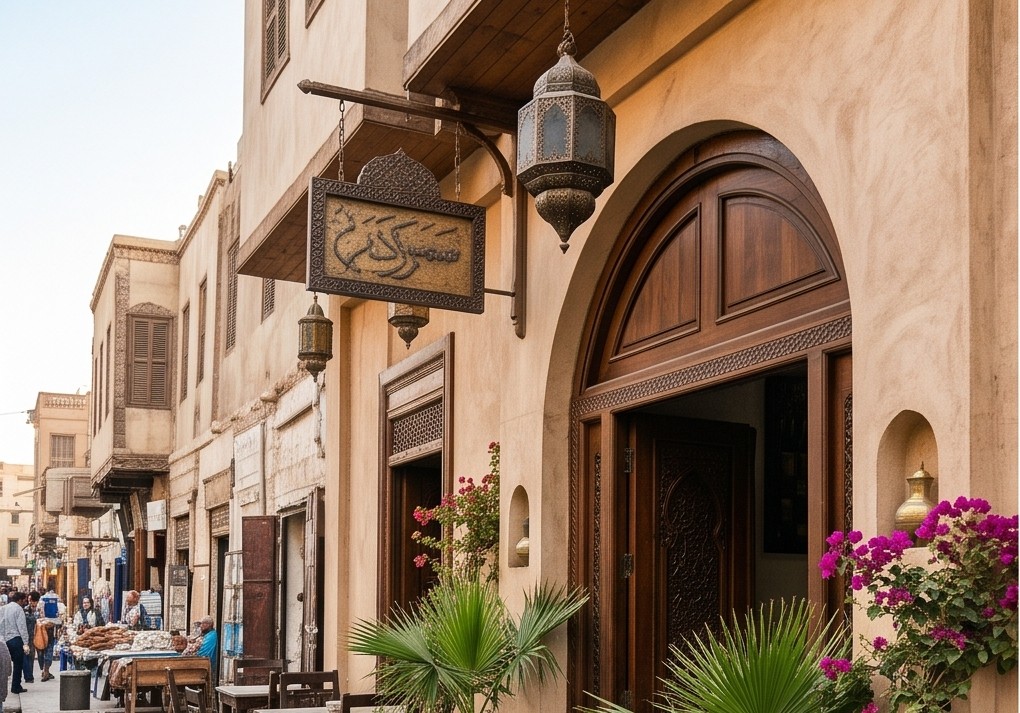
AI-generated image · may differ from the real place Tucked into a peaceful side street just behind the bustling avenue, Sofra Restaurant and Cafe welcomes you with the gentle charm of a traditional Egyptian home. The wooden lattice screens and antique brass lamps create a warm shadow play across the courtyard tiles. Take a seat near the central fountain and order a slow cooked lamb tagine served in a heavy earthenware vessel, or an aromatic dish of classic koshari layered with spiced lentils and caramelized onions. The quiet rhythm of the kitchen and the fragrant aroma of cumin and coriander offer a sensory bridge between ancient culinary traditions and contemporary hospitality. To secure a peaceful table in the courtyard during the high travel season, it is wise to book your table well in advance before embarking on your evening walk.
After savoring these rich culinary flavors, stroll south along Khaled Ibn Al Walid Street where the evening air carries the distant sounds of music and river life.
- 1 min · on site
Wood-Paneled Haven on the Boulevard
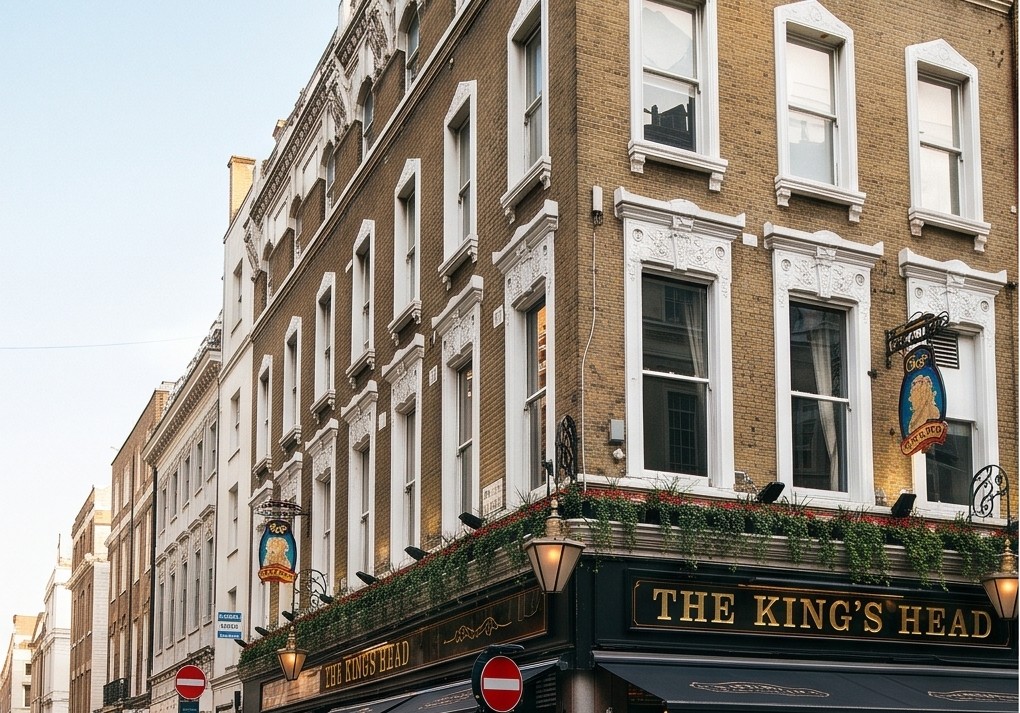
AI-generated image · may differ from the real place Along the lively thoroughfare of Khaled Ibn Al Walid Street, The King's Head Pub provides an unexpected corner of nostalgic hospitality for weary travelers. Stepping inside, the dark wood paneling and vintage brass fixtures recall the classic gathering places favored by mid twentieth century travelers and visiting archaeologists returning from long days in the desert dust. Settle into one of the quiet leather booths near the back corner and order a chilled local beverage alongside a savory house burger cooked to perfection. The relaxed atmosphere makes it an ideal spot to review your field notes or simply enjoy a restful interlude amid the gentle evening breeze. Arrive early in the evening to secure a quiet seat before the night gathering fills the room with lively conversation.
When you are ready to cross over to the West Bank, walk down to the nearby bank where wooden feluccas sway gently against the wooden piers.
- 1 min · on site
Orchard Paths and Felucca Currents
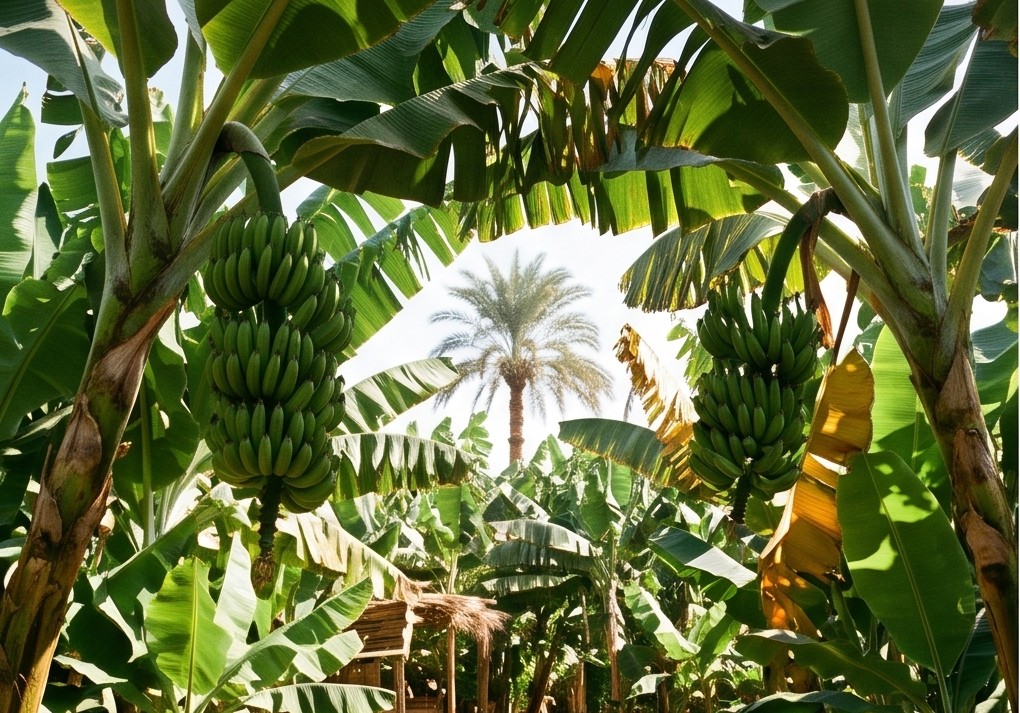
AI-generated image · may differ from the real place Boarding a traditional wooden felucca on the East Bank, you glide silently across the golden waters of the Nile toward Banana Island Sara on the West Bank. As the broad canvas sail catches the gentle wind, the noise of the city completely falls away, replaced by the soft rustle of water and swaying palm fronds. Upon landing at the small wooden pier, follow the shaded dirt path through dense banana groves where green fruit hangs heavy under broad leaves. Walk slowly along the orchard trails, watching the golden afternoon sun filter through the tropical canopy before taking a comfortable seat at the riverfront terrace for a fresh fruit tasting. The crisp sweetness of freshly picked bananas and local citrus offers a peaceful, deeply satisfying conclusion to your day of exploration across the historic sights of Luxor.
Luxor is not merely a destination of grand pharaonic monuments, but a living sanctuary where quiet beauty, sacred history, and enduring hospitality linger long after the journey ends.
Take it further
Open the tour in the appThe tour in the app
Luxor Hidden Treasures Walking and Felucca TrailFollow this serene route along the East Bank starting at the pristine galleries of Luxor Museum, savoring traditional home cooking at Sofra and pub warmth at King's Head, before crossing the Nile by felucca to the quiet orchards of Banana Island.
+ Add the tour to your planIf you have the app the tour opens right away; otherwise you go to the store.FAQ
- What makes Luxor Museum distinct from other Egyptian museums?
- Unlike crowded traditional galleries, Luxor Museum features an intentionally curated collection designed by architect Mahmud El Hakim, displaying key masterworks with spacious layout and clear multilingual labels.
- How do I reach Banana Island Sara from the East Bank?
- Take a traditional wooden felucca sailboat from the East Bank piers, enjoying a peaceful sail across the Nile directly to the island's private wooden landing.
This piece was newly written based on the Wikipedia articles ‘Luxor Museum’ · CC BY-SA 4.0