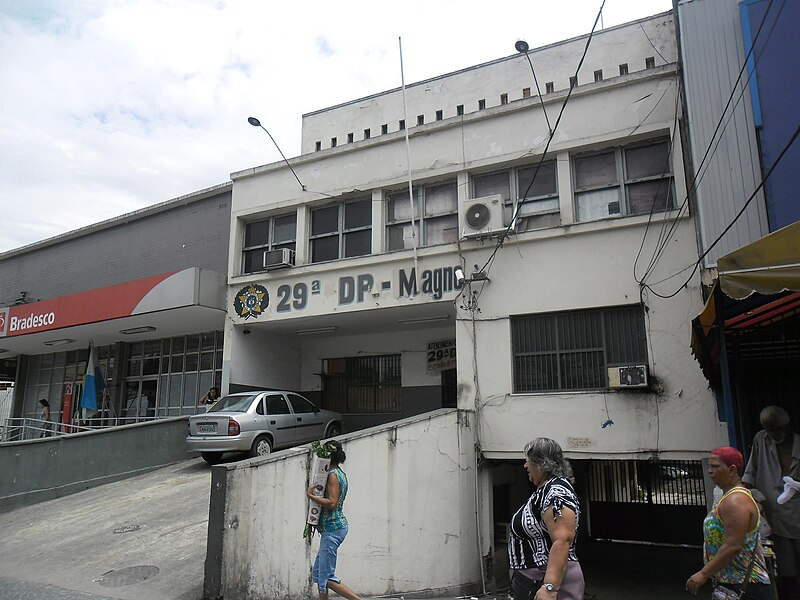
Morning in Rio de Janeiro does not begin with the sun breaking over the ocean; it begins with the hiss of boiling oil and the fragrant scent of crushed herbs in the market aisles. Long before the beach towels unfurl along the Atlantic sands, cooks and market stallholders across the city are already testing the heat of cast iron pans and inspecting the silvery sheen of fresh fish. To understand how this metropolis truly feeds its soul, one must abandon the sun-drenched coastal postcards and venture inward, toward the labyrinthine corridors where commerce and culinary passion collide. Here, food is never a mere commodity. It is an exacting craft of frying, braising, seasoning, and bartering, refined across generations of vendors who know that a city reveals its true character not in quiet museums, but over steaming counter tops and bustling market stalls.
The Theater of the Counter
Consider the market as the living stomach of the city. While casual travelers fixate on the calm luxury of seaside dining rooms, the discerning palate seeks out the visceral energy of the trading halls. In these vast pavilions, raw ingredients arrive under dew-damp canvas, and street-level cooks transform humble provisions into culinary revelations. Watch the hands of a veteran fritter maker: she does not weigh her shredded salt cod with digital scales. Instead, she measures by muscle memory, folding the fish into riced potatoes with a rhythm as steady as a samba cadence, dropping each quenelle into golden olive oil at the precise temperature where crispness yields instantly to steam. The palate registers the clean richness of the crust, the delicate saline flake of the fish, and the punch of fragrant pimenta malagueta. A city that cooks like this refuses to be hurried. It demands patience, sharp instincts, and an appetite willing to navigate suburban rail lines and sprawling retail temples alike.
From Presidential Pavilions to Coastal Tables
This enduring appetite has drawn leaders and storytellers into its orbit for over a century. When President Juscelino Kubitschek arrived on a humid December morning in nineteen fifty-nine to officially inaugurate the permanent home of the Mercadao de Madureira, he was not simply cutting a ribbon on a suburban commercial pavilion. He was consecrating a vibrant trading empire that had evolved from a modest open-air farm fair, establishing a gathering place where Afro-Brazilian culinary herbs, fiery peppers, and samba traditions coalesced into a national cultural heritage. Decades later, Swiss author Pierre Cormon walked those same labyrinthine galleries while penning his novel O Grande Dia, capturing the sensory whirl of dried shrimp, sacred leaves, and bustling street stalls that anchor the neighborhood. From historic suburban markets to contemporary coastal emporiums overlooking Botafogo Bay, Rio has continually reinvented its spaces of trade, yet the fundamental ritual remains constant.
As you listen to this journey, let your senses lead before your eyes take in the architecture. Notice how the sharp aroma of fresh coriander and woodsmoke in a traditional market stall gradually yields to the polished restraint of a Leblon dining pavilion, and how the crackle of a fresh pastry links the northern suburbs to the western ocean boulevards. Rio is a metropolis built of striking geographic and social contrasts, but at the table, those differences melt into pure, unadulterated pleasure. Keep your palate alert, observe the cooks who command their stations with effortless authority, and taste the city from its deep suburban roots to its shimmering seaside heights.
Want to walk it yourself? Plan a trip with these places
The walk
On site, play just that chapter
- 1 min · on site
Mercado Municipal do RJ - CADEG
Benfica's Cauldron of Salt Cod and Morning Flora
AI-generated image · may differ from the real place Step through the loading bays of Rua Capitao Felix and let the damp, floral chill of the morning greet you. This wholesale market in Benfica is where Rio wakes up hungry. Ignore the decorative trinkets and move directly toward the inner central avenues, where wooden crates overflow with Portuguese olive oil and massive slabs of dried cod. Find a high stool at an unassuming tiled counter where the deep fryer never rests. Here, order the bolinho de bacalhau. Watch the cook lift the wire basket: the fritters emerge dry, deeply bronzed, and sizzling with intense heat. Tear one open with your fingers. The steam carries notes of fresh parsley, onion, and oceanic brine. Inside, the cod is neither mashed into baby food nor stringy and tough; it forms supple, glistening flakes held together by a whisper of potato. Drizzle it with peppery olive oil and take your first bite while the marketplace roars around you.
From the olive oil scented alleys of Benfica, board the suburban commuter train heading north toward the pulsing Afro-Brazilian markets of Madureira.
- 1 min · on site
The Palm Oil Alleys of Suburban Faith and Samba
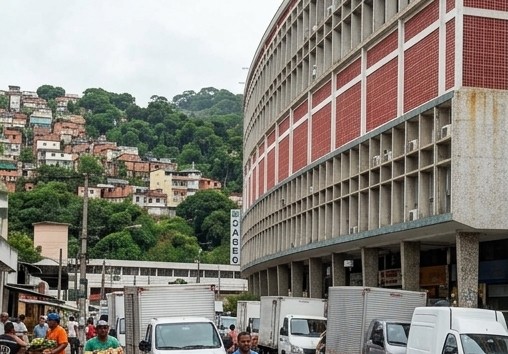
Photo · Wikimedia Commons Alight along Avenida Ministro Edgard Romero and immerse yourself in the thrumming labyrinth of Mercadao de Madureira. With over five hundred shops arranged across sixteen bustling galleries, this legendary bazaar feels like an entire city under one roof. Breathe in the intoxicating fragrance: pungent orange dende palm oil, sun-dried shrimp, smoking charcoal, and bunches of fresh sacred herbs. Follow your nose toward the food stalls tucked near the central corridors, where heavy iron caldrons bubble with rich stews. Notice the cook adjusting the flame beneath a vat of simmering black beans and dried beef, stirring with a wide wooden paddle. Ask for a plate of freshly fried pasteis or acaraje, observing how the seasoned dough blisters evenly without absorbing excess grease. Every mouthful carries the hearty, unpretentious spirit of suburban Rio, where centuries of culinary history and vibrant samba rhythms live in every seasoned morsel.
Leave the sensory whirl of Madureira behind and travel southwest toward Tijuca, where traditional residential pride meets modern commercial dining.
- 1 min · on site
Tijucano Pride and the Refined Neighborhood Grill

Photo: Eduardo P · CC BY-SA 3.0 · Original file Arrive along Avenida Maracana and step inside Shopping Tijuca, a multi-tiered sanctuary that reflects the deep-rooted pride of its neighborhood. Tijucanos are fiercely attached to their local traditions, and that loyalty translates directly into the shopping center's culinary offerings. Ascend to the upper dining terrace, where traditional botequim culture meets the modern Rio palate. Bypass the ubiquitous international fast food outlets and seek out regional Brazilian dining rooms serving light grilled fish, hearty feijoada variations, and vibrant tropical salads. Look into the open kitchen lines where cooks flash-sear picanha on polished grooved grills, creating that unmistakable caramelized crosshatching. The meat arrives pink and juicy at its core, accompanied by crunchy toasted cassava flour and tangy vinaigrette. Here, shopping is merely an excuse for a long, civilized lunch that honors northern suburban hospitality before the afternoon heat settles over the city.
Depart the shadow of Maracana and make your way south toward Guanabara Bay, where seaside breezes frame the eight-story atrium of Botafogo.
- 1 min · on site
Sugarloaf Horizons and the Precision of the Blade

Photo: anna carol from Rio de Janeiro, Brasil · CC BY 2.0 · Original file Standing proudly before Praia de Botafogo, this vertical shopping tower rises eight stories above the bay like a glass beacon. Make your way directly to the panoramic express elevators and ascend toward the upper levels, positioning yourself by the floor-to-ceiling glass wall. Outside, sailboats bob gently on the water and the sheer granite crown of Sugarloaf Mountain commands the horizon. Settle into a table at the waterfront dining spaces, such as the Japanese dining room Kotobuki, where the focus shifts toward pure, unadorned knife work. Observe the chef behind the polished wooden sushi bar: with a single fluid pull of his blade, he slices fresh Atlantic fish into translucent ribbons. Pair the sashimi with a chilled caipirinha or follow it with an immaculate espresso. The contrast between the calm precision of the plate and the dramatic sweep of the natural bay makes an ordinary shopping break feel transcendent.
Follow the coastline westward around the rocky headland of Arpoador, entering the serene, manicured avenues of upscale Leblon.
- 1 min · on site
Architectural Louvers and Haute Confectionery

Photo: Boaventuravinicius · CC BY-SA 4.0 · Original file Enter through the tranquil glass entrance on Avenida Afranio de Melo Franco, where the frantic pace of the city dissolves into hushed sophistication. Shopping Leblon is designed for the discerning stroller, combining Brazilian designer boutiques with quiet culinary refinement. Stroll past the concierge desk toward the garden-flanked upper restaurants, where sunlight filters through architectural louvers onto pale timber tables. Here, the cooking favors restraint, provenance, and pristine execution. Watch the pastry chef at a specialty counter delicately torch the sugar crust of a passion fruit dessert, the caramel bubbling into a glassy amber sheen. Order a single-origin pour-over coffee brewed from beans harvested in the mountainous interior of Minas Gerais, noting its chocolate and floral notes. Every detail here is calibrated to perfection, offering a serene midday pause where culinary technique serves as the ultimate luxury.
From the quiet sophistication of Leblon, continue westward along the ocean highway toward the colossal expanses of Barra da Tijuca.
- 1 min · on site
Monumental Rotisseries of the Western Avenues

Photo: Arthur Jacob · CC BY-SA 3.0 · Original file Step into BarraShopping along Avenida das Americas and prepare for an encounter with pure commercial scale. This monumental complex, famously marked by its iconic highway cloverleaf motif, functions as a self-contained universe of modern Brazilian lifestyle. Navigating its expansive walkways requires stamina, but the culinary rewards are abundant if you know where to pause. Head toward the gourmet dining zones connecting the main mall to the New York City Center corridors. Find a seat near an open-flame rotisserie counter where whole racks of ribs and skewered sausages turn slowly over hardwood embers. Notice the grill master brushing spiced butter over sizzling cuts, sealing in juices with practiced precision. Whether enjoying artisanal gelati, fresh pastries, or succulent grilled churrasco, you witness here the boundless energy of contemporary Carioca commerce, vibrant, abundant, and thoroughly satisfying.


To taste Rio de Janeiro through its markets and retail emporiums is to understand that commerce in this city is never detached from the soul. Whether standing over a paper napkin in the oil-scented corridors of Benfica, taking in the fragrant sacred herbs of Madureira, or admiring the bay from a polished dining aerie, you have experienced a city that celebrates life at the table. The true luxury of Rio is not found in sterile perfection, but in the vibrant human warmth of the cooks, vendors, and artisans who turn everyday sustenance into an art form.
Take it further
Open the tour in the appThe tour in the app
A Culinary Journey Through Rio's Markets and MallsThis curated tasting itinerary traverses Rio de Janeiro from the rustic salt cod counters of Benfica and the aromatic Afro-Brazilian spice galleries of Madureira to traditional dining in Tijuca, sunset vistas over Botafogo Bay, refined designer gastronomy in Leblon, and the monumental culinary pavilions of Barra.
+ Add the tour to your planIf you have the app the tour opens right away; otherwise you go to the store.FAQ
- What culinary specialty should not be missed at CADEG?
- Order the freshly fried bolinho de bacalhau at the market counters, where salted Atlantic cod is flaked and blended with potatoes, parsley, and garlic before being fried to golden crispness in olive oil.
- What makes the atmosphere at Mercadao de Madureira distinct from southern Rio malls?
- Mercadao de Madureira is a vital hub of Afro-Brazilian culture and suburban life, filled with specialized stalls selling sacred culinary herbs, dende palm oil, dried shrimp, and samba percussion supplies.
- Where can visitors enjoy memorable dining views while exploring Rio's retail centers?
- The upper dining floors of Botafogo Praia Shopping offer floor-to-ceiling vistas across Guanabara Bay, where diners can enjoy Japanese cuisine or coffee against the backdrop of Sugarloaf Mountain.