Dusk in Buenos Aires does not arrive with sudden drama. Instead, it seeps across the worn cobblestones of Villa Crespo and Chacarita like a slow spill of unfiltered Criolla Chica. The city gradually sheds its daytime glare of bus exhaust and hurried espresso counters, softening into an amber hum where the true ritual of the table begins. In these dimly lit salons, beneath ceilings stained with decades of tobacco and animated conversation, a quiet rebellion has permanently dismantled the monolithic reign of oak-heavy Malbec. What replaces it is visceral, luminous, and thrillingly alive. Cloudy pet-nats whisper with feral yeast, skin-contact Torrontes glints with the deep hue of bruised apricots, and unvarnished reds smell of damp river earth, wild mountain thyme, and crushed graphite. To drink here tonight is to witness a profound recalibration of the Argentine palate, guided not by industrial laboratory protocols, but by the raw intuition of cooks and vignerons who refuse to polish away character.
For generations, the mythology of the Argentine cellar was forged in high-altitude Mendoza desert heat and seasoned by aggressive new French barriques. Those were massive, muscular wines built to overpower wood-grilled steer, thick with vanilla tannin and glossy alcohol. Yet sitting at a grease-penciled zinc counter as the streetlamps flicker awake, one senses that this city has grown profoundly restless with polished perfection. The cooks behind the pass have turned decisively toward acidity, brine, and native fermentations. They seek bottles that possess nerve, tension, and agricultural truth rather than mere extracted weight. When you pull a stool up to a crowded bar illuminated only by tallow candles and the orange flicker of an open grill, the wine in your glass mirrors the culinary ethos: unadorned, electric, and unapologetically honest. It is a thrilling rediscovery of regional heritage, stripped of commercial cosmetic sheen and delivered with unfiltered confidence.
The Geometry of Fermentation and Flame
Step across the threshold of these subterranean caves and tucked-away neighborhood bistros, and you immediately register the tactile choreography of service. There are no stiff decanters, silver spittoons, or hushed sommeliers reciting numerical scores. Instead, you hear the sharp hiss of cured pork fat rendering against white-hot iron, the wet pop of crown caps pried loose by hand, and the lively clatter of mismatched vintage glassware. The kitchen and the cellar exist in an intimate, unbroken dialogue. A plate of blistered sweetbreads dressed with fermented green plums demands a wine with bone-dry grip and savage minerality. A wedge of aged sheep cheese drizzled with raw honeycomb finds its natural partner in a cloudy amphora-aged Semillon that smells of dried chamomile and summer rain on limestone.
These pairings are never accidental; they are meticulously calibrated by kitchen crews who spend their days off tasting native vine cuttings from forgotten pre-phylloxera plots in Salta and the high valleys of Patagonia. To walk this evening route through Buenos Aires is to surrender to sensory candor. It is an invitation to taste wine as an authentic agricultural artifact, complete with its volatile edges, hazy sediment, and unfiltered truth. As you move from candlelit salon to bustling counter, allow the sommeliers to uncork what they drank after midnight yesterday. Savor the dynamic friction between animal fat and wild acidity, and celebrate the visionary artisans who preserve the living soul of the vine. The night in this town is long, generous, and endlessly thirsty.
Want to walk it yourself? Plan a trip with these places
The walk
On site, play just that chapter
- 1 min · on site
Subterranean Secrets in Villa Crespo
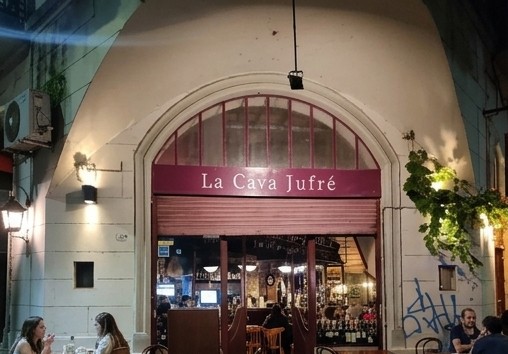
AI-generated image · may differ from the real place Find the unassuming wooden door on the corner of Jufre and Julian Alvarez, where low ceilings and floor-to-ceiling shelves shelter thousands of bottles from the city heat. This is an unpretentious temple of wine, preserved without chrome or sommelier pretension. Step past the timber tables into the cool dampness of the subterranean cellar, where the shelves hold bottles that never appear on the laminated counter list. Ask the attendant directly about the unlisted micro-vinifications from small producers in the Calchaqui Valleys. You want an unclarified Criolla Chica, poured cool into a thick bistro tumbler. On the palate, it delivers tart red currant, crushed slate, and a wild herbaceous lift that cleanses the palate instantly. Pair it with a saucer of spiced green olives and thick slices of rustic dry-cured salami. Here, wine is not an investment portfolio; it is living neighborhood history, honest and enduring.
Once your glass is dry, step back onto the quiet grid of Villa Crespo and stroll a few tree-lined blocks toward Palermo's glowing avenues.
- 1 min · on site
Dispensing Innovation and Bubbling Curds
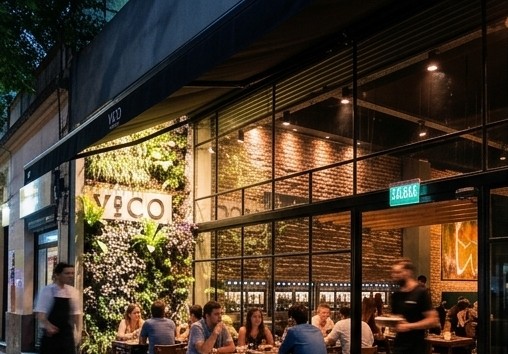
AI-generated image · may differ from the real place Walk east into Palermo toward Gurruchaga, where the polished facade of Vico reveals a warm labyrinth of glass and softly glowing dispensing stations. Take a tasting card at the host stand and walk straight to the central temperature-controlled dispensers before claiming a leather stool. This setup is built for the curious palate. Begin by pouring a modest twenty-five milliliter flight of three contrasting natural whites, contrasting a saline Patagonian Pinot Blanc with an amphora-fermented orange wine from high-altitude desert gravel. Watch the cook at the open station blister thick rounds of provoleta cheese in cast iron until the exterior forms a deeply browned, caramelized crust while the center yields like warm custard. The sharp, volcanic acidity of an unrefined Torrontes slices cleanly through the salty cow milk richness. Savor the play between bubbling dairy fat and taut citrus.
When the last drop of Torrontes fades, venture northwest past railroad crossings toward the quiet, industrial edge of Chacarita.
- 1 min · on site
The Theater of Embers and Native Terroir

Photo: no rights reserved · CC0 · Original file Head northwest into Chacarita along Juan Ramirez de Velasco, where an industrial brick facade hides one of South America's most singular culinary machines. Inside, the energy revolves around a massive curved counter overlooking an open kitchen of mesmerizing discipline. Take your seat and look directly at the charcoal embers where native river fish and whole aged fowl roast over quebracho wood. Surrender your evening to the floor team; ask for a cellar pairing tailored to the seasonal progression. The cooks might send out thinly shaved house-cured ham followed by wood-fired surubi, accompanied by a lean, saline Chardonnay fermented in unlined concrete eggs. The sommelier navigates over a thousand labels with democratic grace, championing forgotten terroirs. Every plate exhibits ruthless technical control, elevating humble Argentine raw materials into revelatory bites where acid, smoke, and texture achieve sublime equilibrium.
Leave the hum of Chacarita behind and take a quiet cab ride east toward the classical limestone elegance of Palermo Chico.
- 1 min · on site
Literary Poise and Botanical Courtyard Nectar
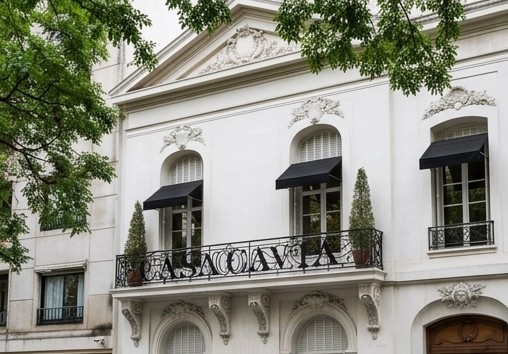
AI-generated image · may differ from the real place Conclude your promenade in Palermo Chico, slipping through the carved iron gates of Cavia into the hushed courtyard of a 1927 neoclassical mansion. Before sitting, take five minutes to explore the illuminated shelves of the boutique bookstore and adjacent floral atelier framing the central reflecting pool. Find a wrought-iron table beneath the trees as candles flicker against pale stone walls. Order the seasonal garden tasting menu, which seamlessly weaves botanical syrups, delicate emulsions, and hand-foraged leaves into modern Argentine poetry. The sommelier pairs these creations with rare skin-contact pet-nats and delicate mountain reds poured into gossamer crystal. Savor a course of line-caught fish crowned with sea succulents alongside a floral, textured Criolla that smells of elderflower and granite. The combination of architectural poise, intelligent cooking, and living wine provides a lingering, luminous finale to your night.

When the candles burn down to their saucers and the last glass is drained, Buenos Aires leaves you with a quiet, undeniable clarity. Natural wine here is not a fleeting cosmopolitan fashion; it is a long-delayed homecoming. By stripping away heavy wood, lab chemicals, and commercial pretense, this city has rediscovered the living texture of its soil, its ancient vines, and the generous spirit of its tables. The night may fade, but the taste of raw truth lingers on the tongue long after the streets have fallen asleep.
Take it further
Open the tour in the appThe tour in the app
A Nocturnal Sensory Walk Through Unfiltered Buenos AiresThis immersive evening route guides you through the evolving natural wine landscape of Buenos Aires, moving seamlessly from a subterranean cellar in Villa Crespo to interactive dispensary tastings in Palermo, an ember-driven culinary powerhouse in Chacarita, and an elegant neoclassical garden sanctuary in Palermo Chico.
+ Add the tour to your planIf you have the app the tour opens right away; otherwise you go to the store.FAQ
- Do I need advanced reservations for these natural wine destinations?
- Reservations are essential several months ahead for dinner at Anchoita and highly recommended for evening dining at Casa Cavia. In contrast, La Cava Jufre and Vico Wine Bar offer a much more relaxed neighborhood welcome for spontaneous evening tastings.
- What characterizes the natural wine movement in Argentina compared to traditional styles?
- Rather than relying on heavy oak aging, industrial cultured yeast, and massive tannin extraction, Argentine natural winemakers prioritize ancestral grapes like Criolla, spontaneous native fermentation, concrete or amphora aging, and minimal intervention that lets vineyard soils speak directly.