Morning light settles over Buenos Aires like fine silk, thin, luminous, and cool against the skin. Down Avenida de Mayo, the early air carries a signature fragrance of roasted espresso, damp marble, and crisp autumn leaves. A city is rarely composed in a single key, but Buenos Aires achieves its effortless poise through dramatic contrast. It is a metropolis where grand European avenues meet a restless South American heart, creating a setting that feels simultaneously cinematic and deeply personal. To walk here with deliberate style is to practice the art of slow observation. You do not merely move through this capital; you adjust your stride to its lingering, romantic tempo. The morning ritual begins with shadow and silhouette. The wide thoroughfares stretch toward the river, framing the sky in long corridors of carved limestone and wrought iron balconies. Beyond the polished facades lies a private geography of shaded passages, hidden gardens, and vertical monuments built by visionaries who insisted on dreaming in stone, creating a timeless sanctuary for wanderers seeking aesthetic perfection and soulful urban resonance.
The Sanctuary of Vertical Poetics
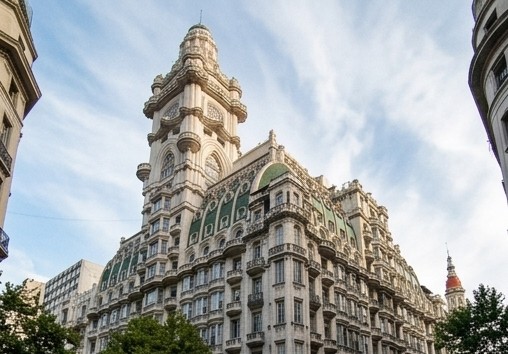
Every great urban center possesses a secret spine, an invisible thread of eccentricity that connects its quietest retreats to its most theatrical gestures. In Buenos Aires, that spine is sculpted from equal parts ambition and poetic nostalgia. Consider Luis Barolo, an Italian textile tycoon who arrived on these shores in eighteen ninety. Watching an ancient Europe drift toward social and political turmoil, Barolo resolved to salvage the literary soul of Western civilization by building a skyscraper dedicated to Dante Alighieri. He commissioned the architect Mario Palanti to design Palacio Barolo as a literal manifestation of the Divine Comedy. Standing twenty two stories and exactly one hundred meters tall to mirror Dante's one hundred cantos, the tower divided its space into hell, purgatory, and heaven. The foundations were drafted according to the golden ratio, while the lobby dome radiated into nine vaulted archways representing the circles of the Inferno. At its summit, a brilliant lighthouse beamed across the Rio de la Plata toward Montevideo, meant to guide transatlantic travelers toward a sanctuary of art. It was a staggering exercise in architectural storytelling, born from deep romanticism and uncompromising taste.
Grace Beneath the Iron Arches
A short walk away, another gesture of quiet nobility took place when Avenida de Mayo was cut through the historic center in eighteen eighty eight. As the city began demolishing buildings along the path of the new boulevard, the original Pasaje Roverano faced immediate destruction. Rather than bargaining for maximum profit, the brothers Angel and Pascual Roverano voluntarily ceded one hundred thirty five square meters of their land to the municipal government for free. However, their generosity carried a chic and uncompromising moral condition. They insisted that the city fully compensate every single one of their humble room rental tenants, ensuring those families found comfortable new lodgings before demolition began. Mayor Federico Pinedo honored the brothers with a formal medal of gratitude in eighteen ninety four. Later rebuilt with a French facade and an underground corridor linking directly to the Peru subway station, the passage retained its classic barber shop and timeless charm. This refined harmony between high style and quiet human warmth remains the true luxury of Buenos Aires. As you step out today, let the city unveil its subtle rituals one frame at a time.
Want to walk it yourself? Plan a trip with these places
The walk
On site, play just that chapter
- 1 min · on site
Where Shadows Frame History
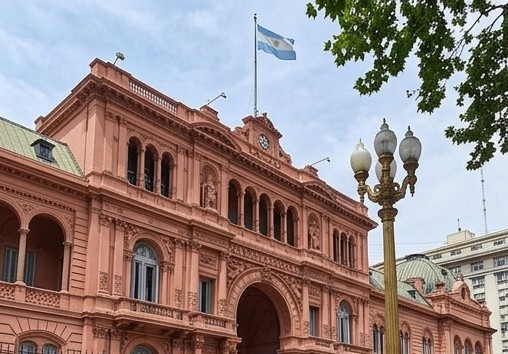
AI-generated image · may differ from the real place Stand at the center of Plaza de Mayo, where palm trees cast long geometric shadows across the historic paving stones. This iconic square is the political and romantic heartbeat of Buenos Aires, framed by the pale pink facade of the Casa Rosada and the neoclassical columns of the Metropolitan Cathedral. Take a moment to observe the white headscarf emblems painted near the central plaza, commemorating the Mothers of the Plaza de Mayo who marched here with quiet dignity during turbulent decades. Look toward the Piramide de Mayo monument rising in the center, the city's first national monument erected in eighteen eleven to celebrate the dawn of independence. Notice how the surrounding grand avenues radiate outward into the microcentro financial district, creating an imposing architectural theater. Combine your visit here with a deliberate stroll westward down Avenida de Mayo toward Congreso to capture the full urban scale. The atmosphere balances historic gravity with refined Porteño poise.
Walk two short blocks westward along Avenida de Mayo until you reach the ornate iron entrance of a legendary covered arcade.
- 1 min · on site
A Promenade of Stained Glass

Photo: Elsapucai · Public domain · Original file Step inside Pasaje Roverano, where time seems suspended beneath an exquisite canopy of stained glass and polished bronze. Built in its modern form in nineteen eighteen, this historic covered passage retains an atmosphere of understated elegance and old world craftsmanship. As you walk along the central corridor, look up at the soaring glass dome to appreciate how natural light filters onto the vintage tiled floors below. Pause near the central staircase to admire the detailed ironwork and the classic wood paneling of the historic shops that line the gallery. Notice the subtle underground passageway connecting directly to Peru station on Line A, a unique feature authorized in nineteen fifteen that allowed stylish commuters to move seamlessly between the subway and the arcade. The passage once housed a historic barber shop that preserved its original mid century interior for generations. Soak in the quiet nostalgia before stepping back into the sunlight.
Head south down Calle Adolfo Alsina for three blocks to discover a classic neighborhood eatery loved by local connoisseurs.
- 1 min · on site
The Ritual of Local Comfort
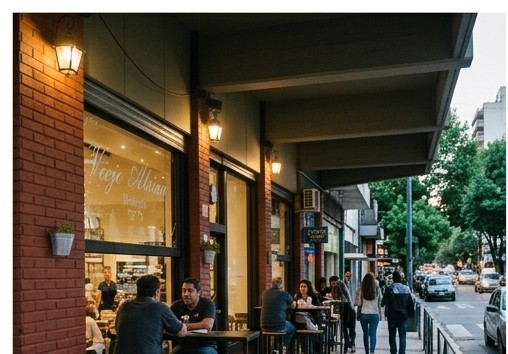
AI-generated image · may differ from the real place Arrive at Viejo Alsina, a beloved neighborhood dining room nestled along Adolfo Alsina street where culinary tradition is treated with quiet devotion. The interior exudes a warm, unpretentious charm with wooden tables, vintage photographs, and the comforting aroma of sizzling breaded cutlets. Take a seat near the window to watch neighborhood life unfold outside while savoring the understated elegance of traditional Porteño hospitality. When reviewing the menu, order their signature crisp milanesa served alongside a generous picada platter of cured meats, aged cheeses, and marinated olives. Arrive early for lunch to avoid the local rush, allowing you to enjoy your meal at a relaxed and unhurried pace. This is where the city comes to slow down, share stories, and celebrate the simple luxury of good food prepared with care. The unhurried ambiance offers a refreshing interlude before continuing your cultural exploration through the city.
Return north toward Avenida de Mayo and walk up toward number thirteen seventy where a towering literary sanctuary awaits.
- 1 min · on site
Dante's Sanctuary in Stone
AI-generated image · may differ from the real place Stand before the theatrical facade of Palacio Barolo, an architectural masterpiece inspired by Dante Alighieri's Divine Comedy. Designed by Mario Palanti in nineteen twenty three, this twenty two story skyscraper reaches one hundred meters into the sky, dedicating one meter to each canto of Dante's poem. As you step into the central hall, look up at the soaring dome and vaulted archways depicting the circles of the Inferno, adorned with Latin inscriptions and Masonic symbols. Book a guided tour in advance to access the upper floors representing Purgatory and Paradise, culminating in the glass enclosed rooftop lighthouse. From this vantage point, gaze across the skyline toward the Rio de la Plata, imagining how the lighthouse beacon once answered its twin tower in Montevideo. The intricate elevator cages and bronze details showcase an obsession with craftsmanship that feels utterly singular. It remains one of South America's most enchanting architectural monuments.
Take a short taxi ride south to the waterfront barrio of La Boca where vibrant colors and tango rhythms define the docks.
- 1 min · on site
Chic Canvas of the Working Docks
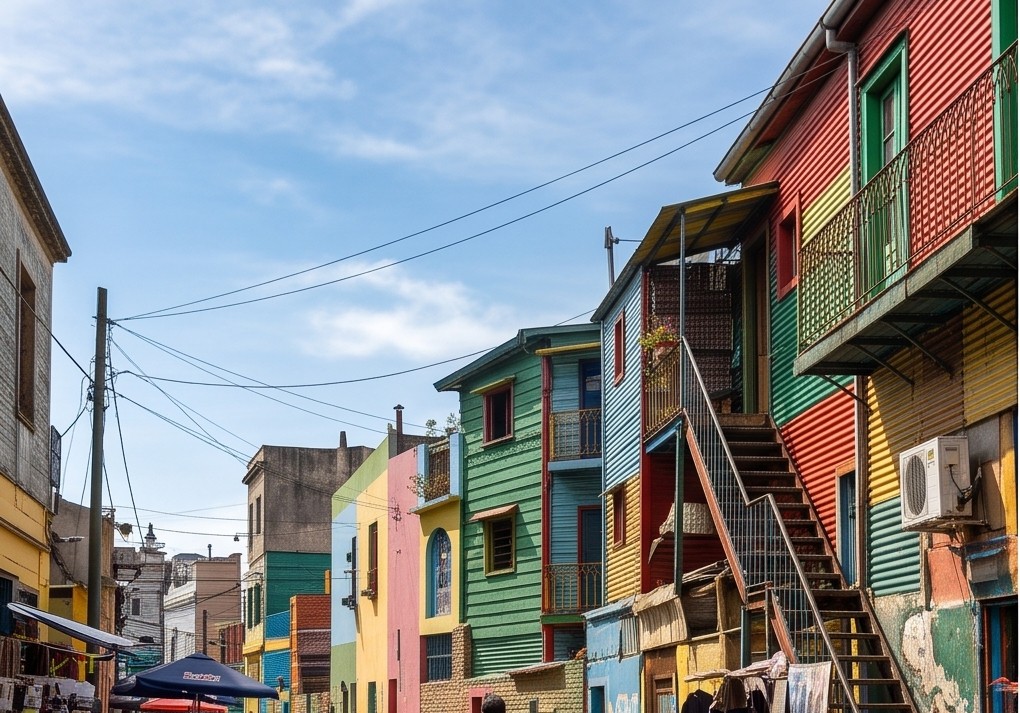
AI-generated image · may differ from the real place Step onto the cobblestones of La Boca, a neighborhood born from the fiery spirit of Genoese immigrants and dockworkers along the river mouth. The famous pedestrian alley of Caminito bursts into a vivid mosaic of painted tin houses, outdoor art stalls, and live tango dancers moving with effortless precision. Visit during daylight hours and stay on the main colorful streets to experience the rich artistic energy in complete comfort. Look closely at the painted facades, constructed from scrap sheet metal and leftover ship paint, reflecting the resourcefulness of its historic community. Here in eighteen eighty two, rebellious workers raised the Genoese flag in a short lived declaration of independence, expressing the famous garra or fighting spirit of the barrio. Alfredo Palacios was elected here in nineteen thirty five as the nation's first socialist congressman. The rhythmic strum of guitars and the flash of tango shoes create an intoxicating spectacle of pure Porteño identity.
Travel north toward the elegant green expanses of Palermo to enter a serene sanctuary of Japanese landscape art.
- 1 min · on site
Zen Poetics in Palermo
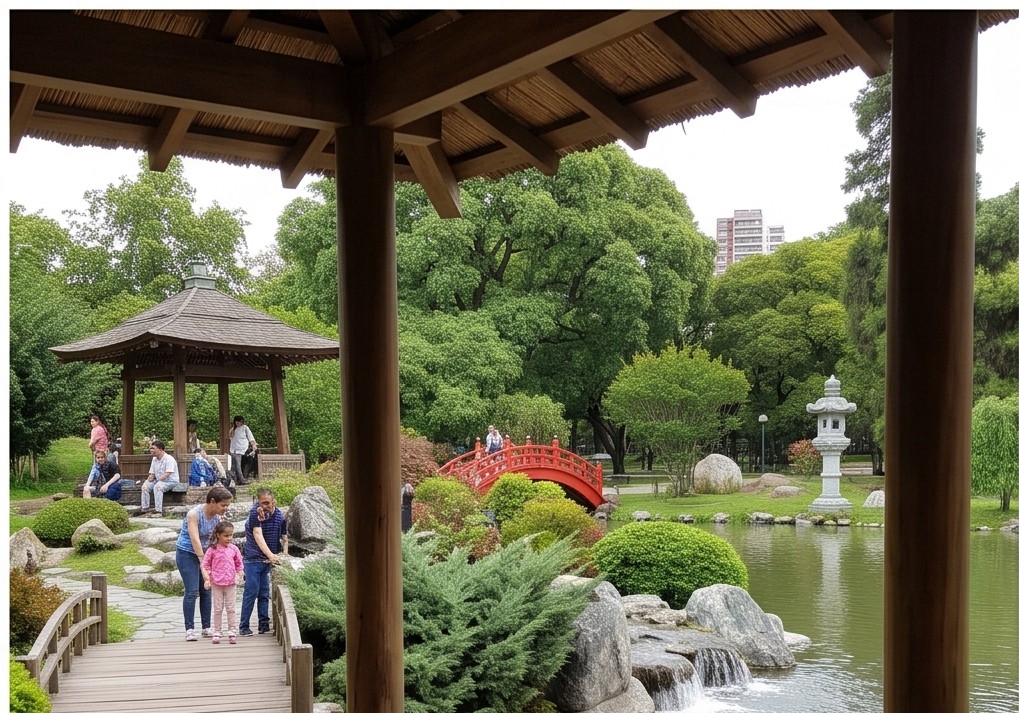
AI-generated image · may differ from the real place Enter the gates of the Jardin Japones in Palermo, an oasis of tranquility designed according to centuries old Japanese landscaping traditions. Located within Parque Tres de Febrero, this peaceful garden centers around a serpentine lake filled with vibrant koi fish gliding beneath scarlet wooden bridges. Allow plenty of time to walk the full garden loop, pausing at the stone lanterns, pruned black pines, and delicate Japanese maples that frame the water. Step onto the wooden pavilion of the tea house to admire the reflections of cloud formations on the still surface of the pond. Visit the cultural exhibits to appreciate bonsai displays, traditional flower arrangements, and zen rock compositions that celebrate asymmetric balance. The gentle sound of trickling water and rustling bamboo offers a contemplative contrast to the vibrant pulse of the surrounding metropolis. It is a masterclass in quiet grace and landscape harmony.
Take a quick ride west to the Chacarita neighborhood where marble avenues honor the legends of Argentine culture.
- 1 min · on site
A Quiet Pantheon of Legends
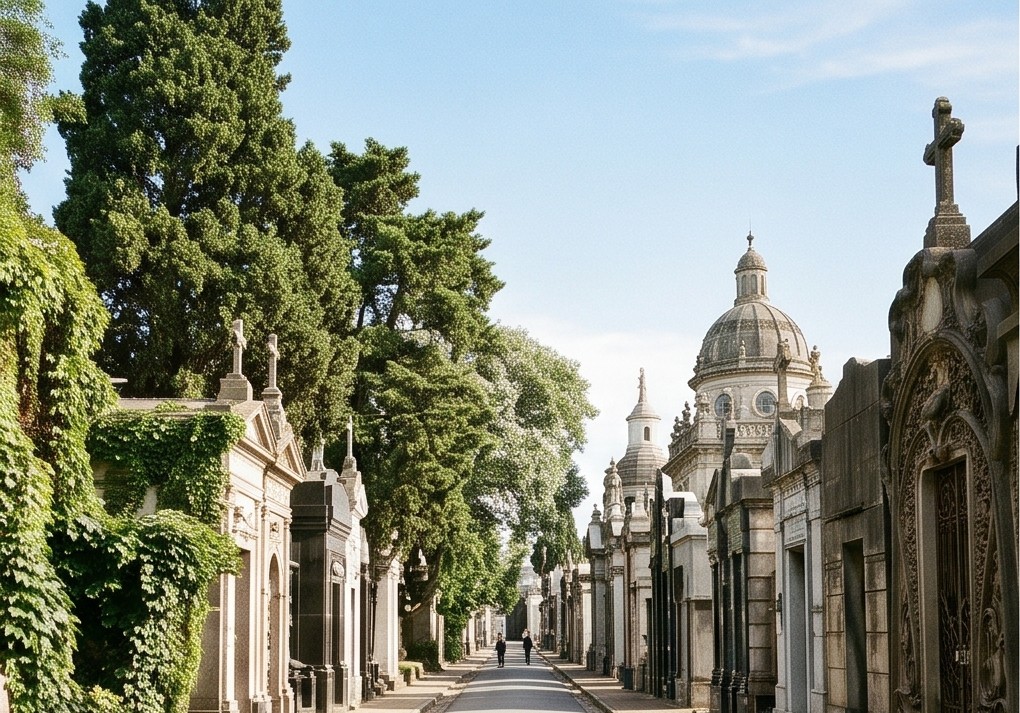
AI-generated image · may differ from the real place Cross the threshold of Chacarita Cemetery, Argentina's largest necropolis spanning ninety five hectares of quiet tree lined avenues and elaborate mausoleums. Established in eighteen seventy one during a devastating yellow fever epidemic, this peaceful sanctuary became the resting place for generations of artists, musicians, and cultural icons. Enter through the grand main gate on Avenida Guzman and pick up a map to navigate the notable burial sections with ease. Walk beneath the canopy of mature trees toward the British and German sections, where historical figures like the famous clown Frank Brown and photographer Annemarie Heinrich rest in quiet dignity. Observe the intricate bronze sculptures and miniature neoclassical chapels that line the quiet grid of streets. The architectural diversity here reflects the complex tapestry of Buenos Aires history, offering a reflective atmosphere far removed from the city rush. The quiet stone avenues invite a final lingering thought on art, memory, and immortality.

As twilight falls over Buenos Aires, the streetlamps cast a warm amber glow over the avenues. The true elegance of this city lies not in its grandeur alone, but in the quiet rituals preserved in its hidden passages, garden sanctuaries, and vertical towers. May your memory of these streets remain as vivid and timeless as a classic scent.
Take it further
Open the tour in the appThe tour in the app
Buenos Aires Hidden Passages & Sanctuaries WalkEmbark on an elegant curated walking journey through Buenos Aires, beginning at the historic Plaza de Mayo, passing beneath the stained glass domes of historic covered arcades, ascending Palacio Barolo's Dante inspired skyscraper, and concluding amidst the vibrant docks of La Boca, Palermo's tranquil zen garden, and Chacarita's quiet mausoleum avenues.
+ Add the tour to your planIf you have the app the tour opens right away; otherwise you go to the store.FAQ
- What is the best way to navigate this walking itinerary?
- Start at Plaza de Mayo in the morning, explore the historic center on foot through Avenida de Mayo, and use quick rides to reach La Boca, Palermo, and Chacarita.
- How can visitors access the lighthouse view at Palacio Barolo?
- Visitors should book a guided tour in advance to gain access to the upper floors and the glass enclosed lighthouse at the top of the tower.